Chlorine Electron Configuration and Atomic Orbital Diagram
Chlorine is the 17th element in the periodic table and the symbol is ‘Cl’. Chlorine has an atomic number of 17, which means that its atom has seventeen electrons around its nucleus….
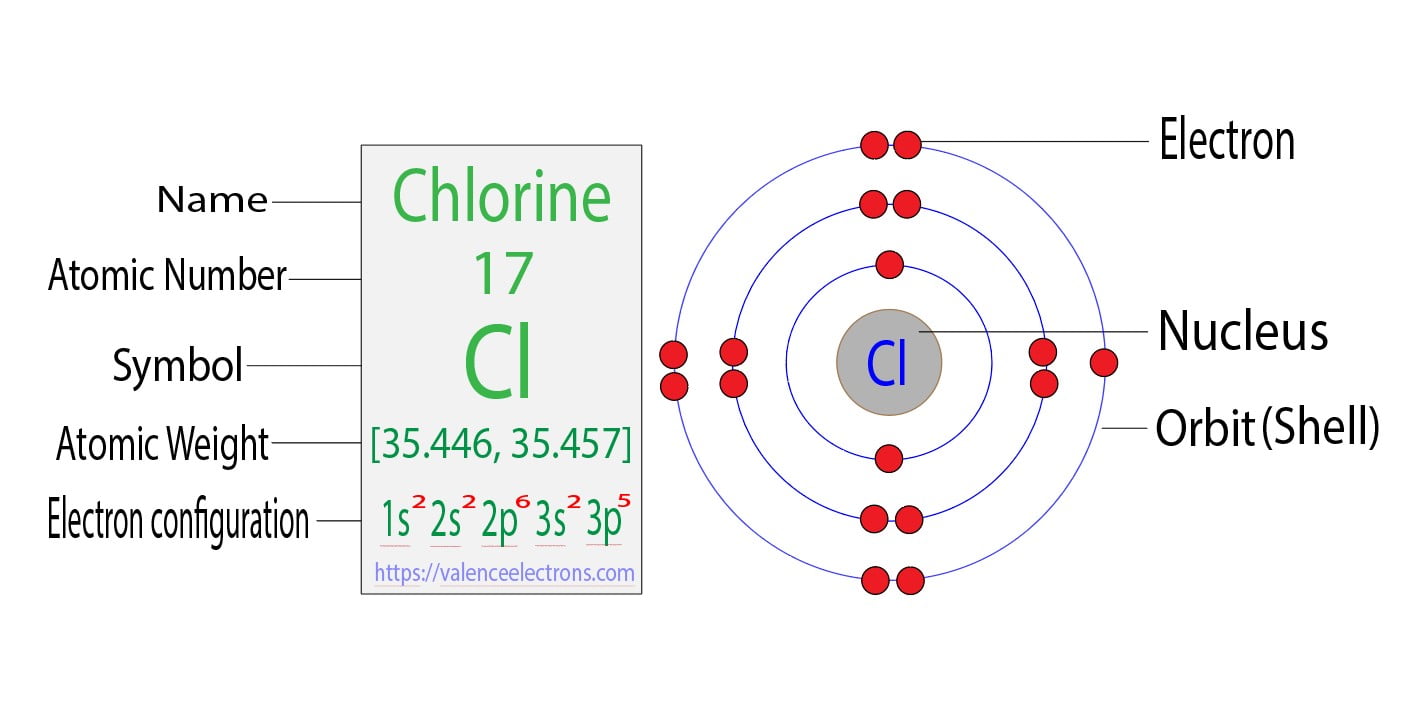
Chlorine is the 17th element in the periodic table and the symbol is ‘Cl’. Chlorine has an atomic number of 17, which means that its atom has seventeen electrons around its nucleus….
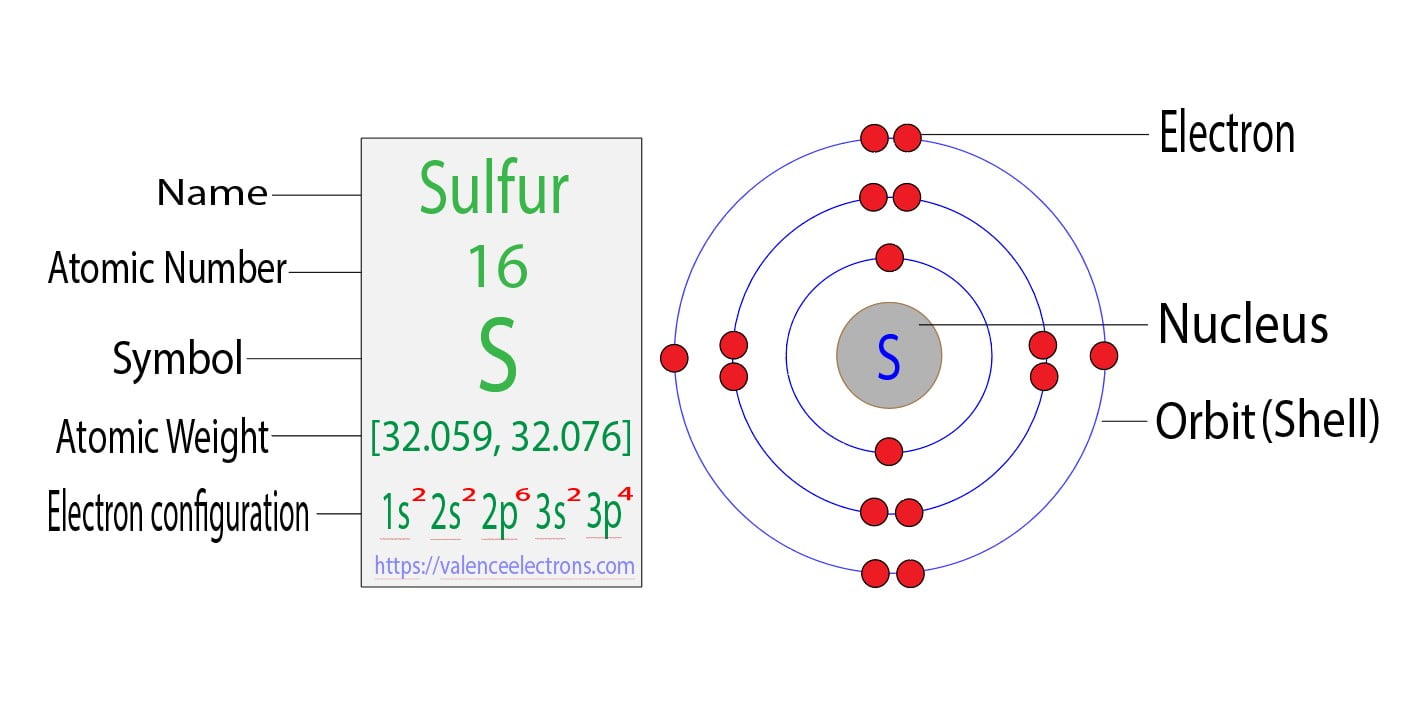
Sulfur is the 16th element in the periodic table and the symbol is ‘S’. Sulfur has an atomic number of 16, which means that its atom has sixteen electrons around its nucleus….
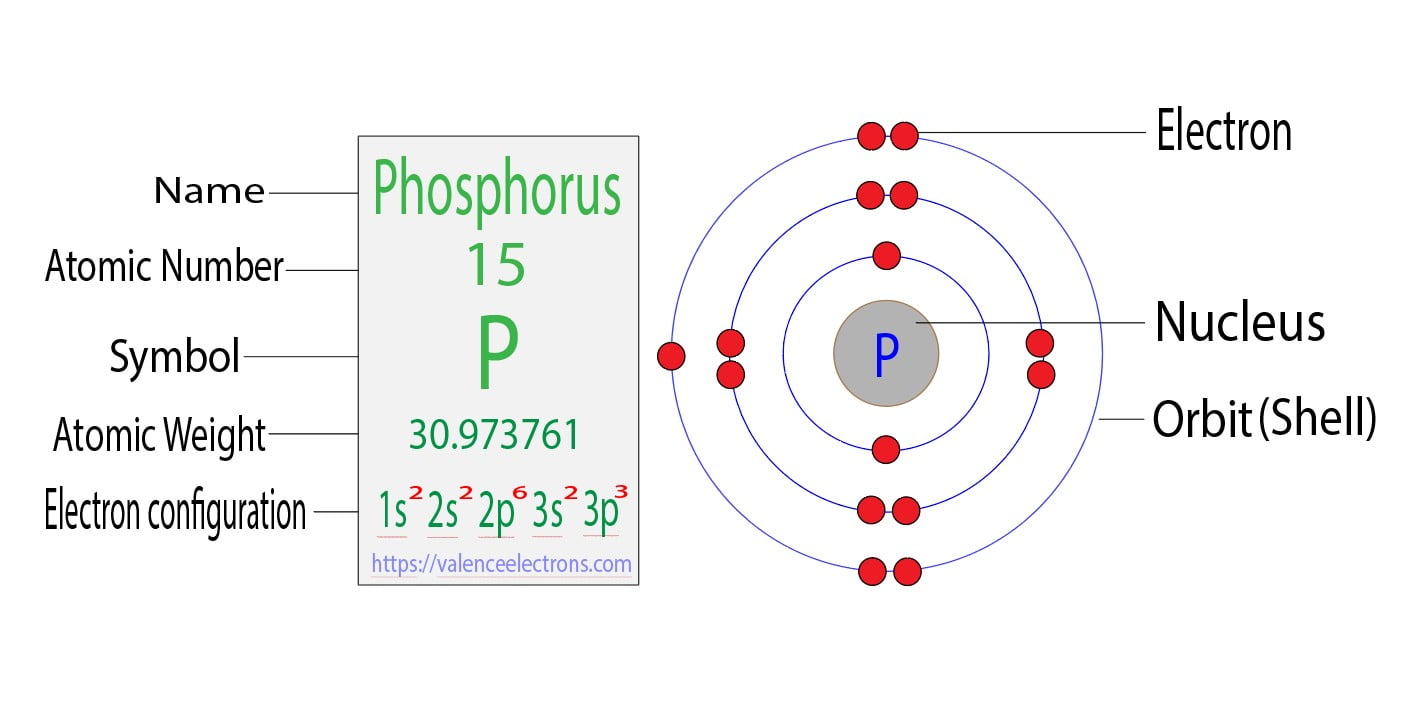
Phosphorus is the 15th element in the periodic table and the symbol is ‘P’. Phosphorus’s atomic number is 15, which means its atom has fifteen electrons around its nucleus. The electron configuration…
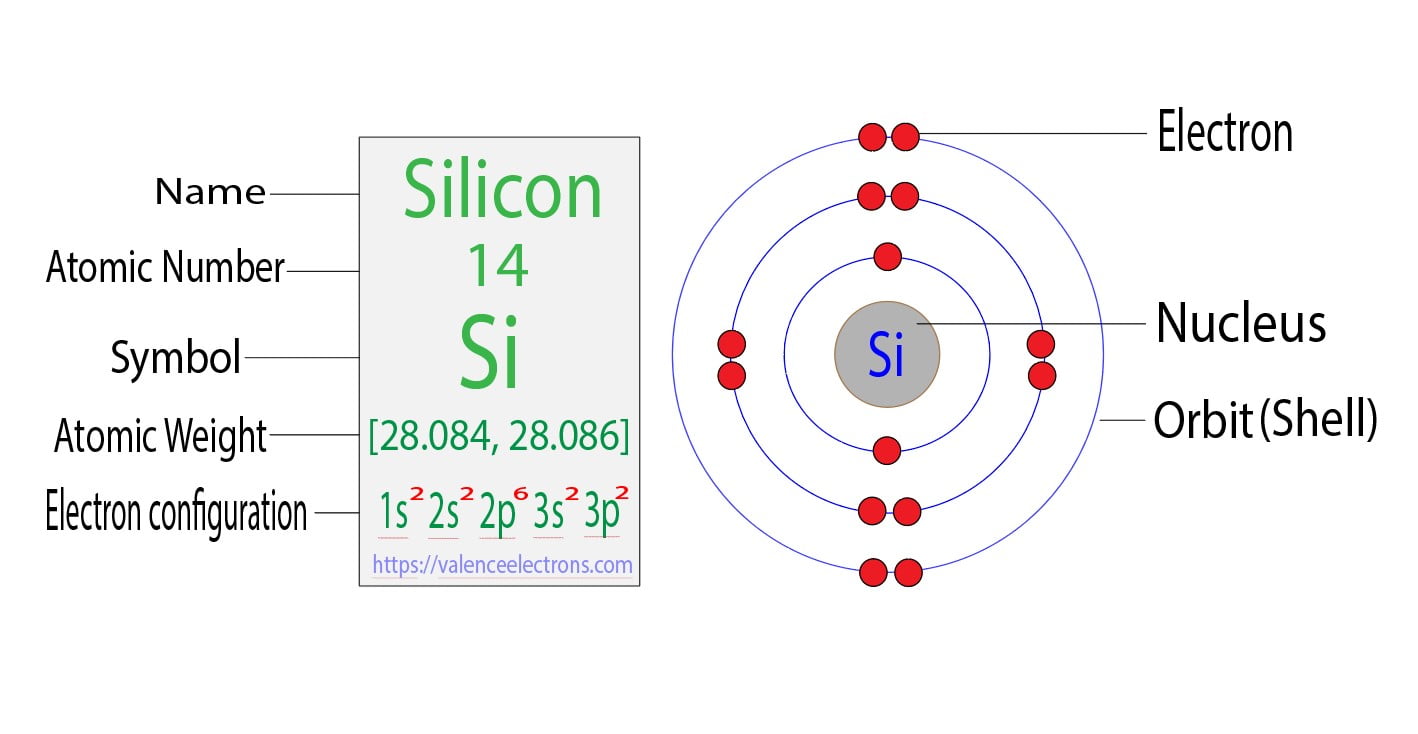
Silicon is the 14th element in the periodic table and the symbol is ‘Si’. Silicon’s atomic number is 14, which means its atom has fourteen electrons around its nucleus. The electron configuration…
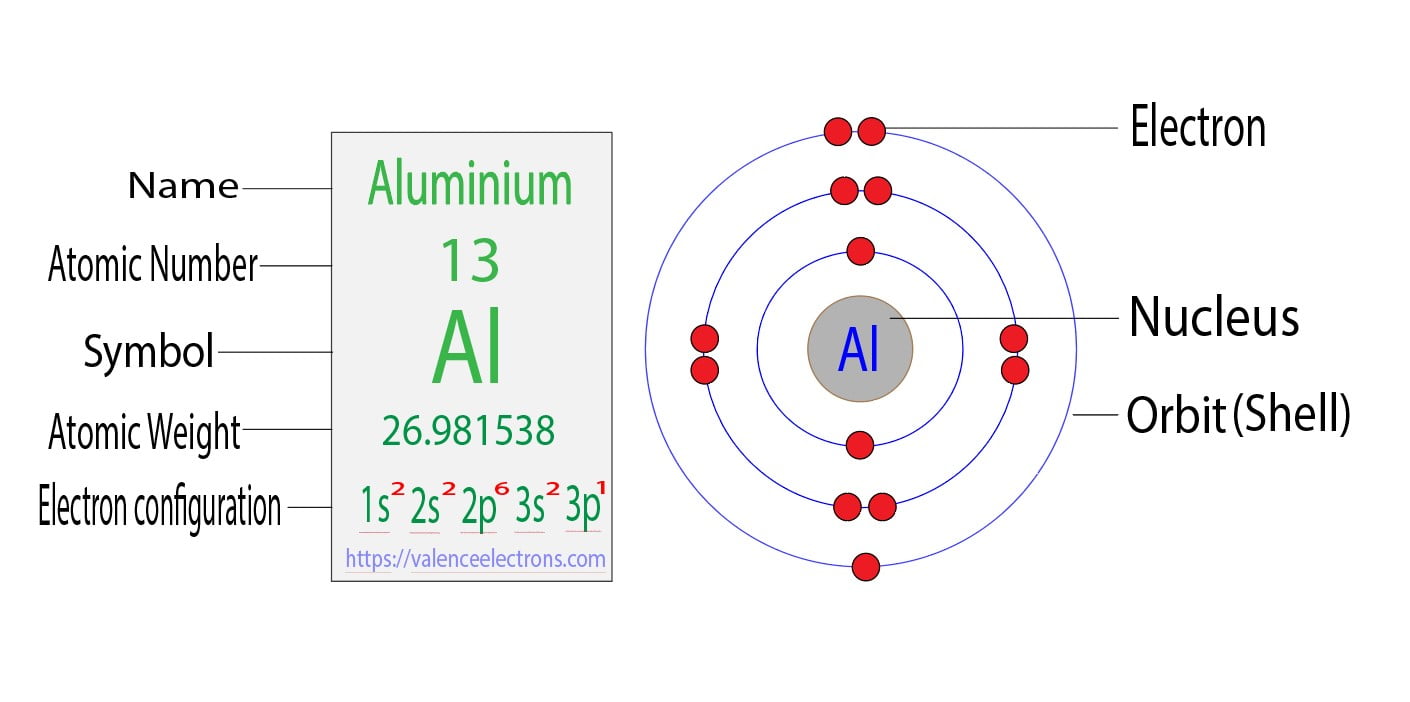
Aluminum is the 13th element in the periodic table and the symbol is ‘Al’. Aluminum’s atomic number is 13, which means its atom has thirteen electrons around its nucleus. The electron configuration…
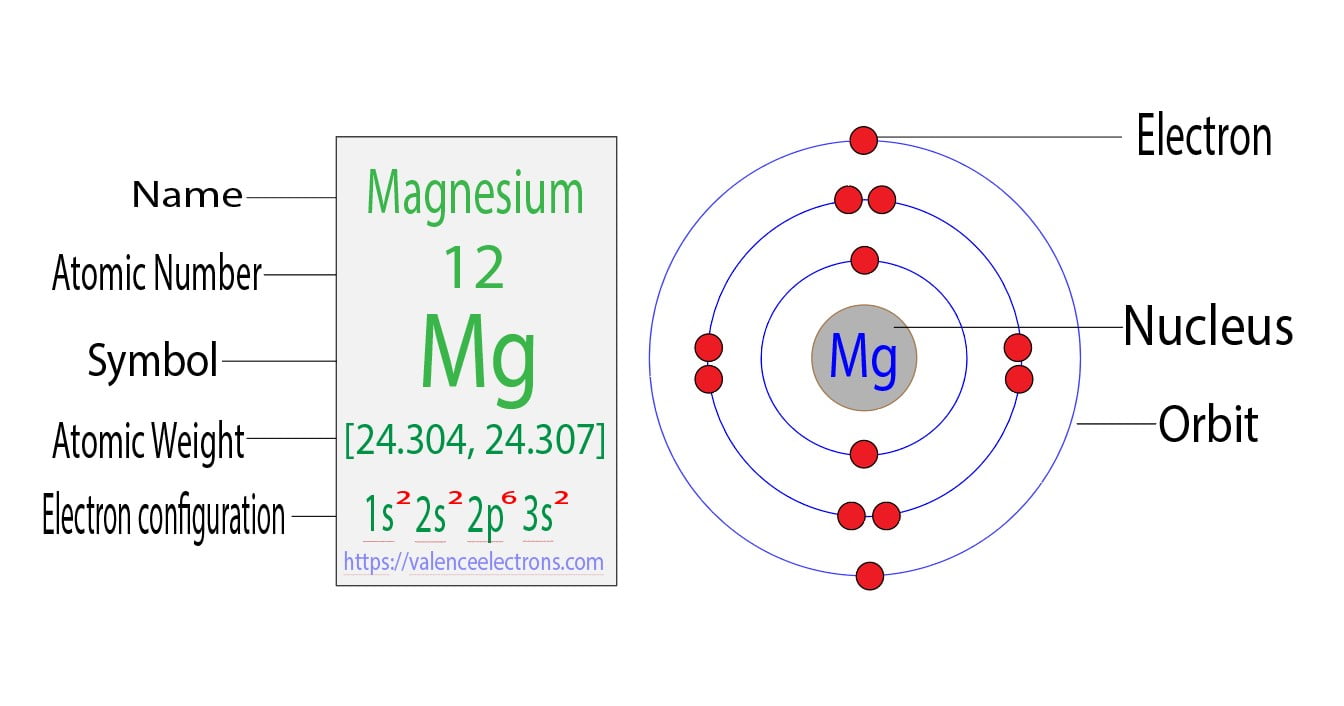
Magnesium is the 12th element in the periodic table and the symbol is ‘Mg’. The atomic number of magnesium is 12, which means its atom has twelve electrons around its nucleus. The electron…
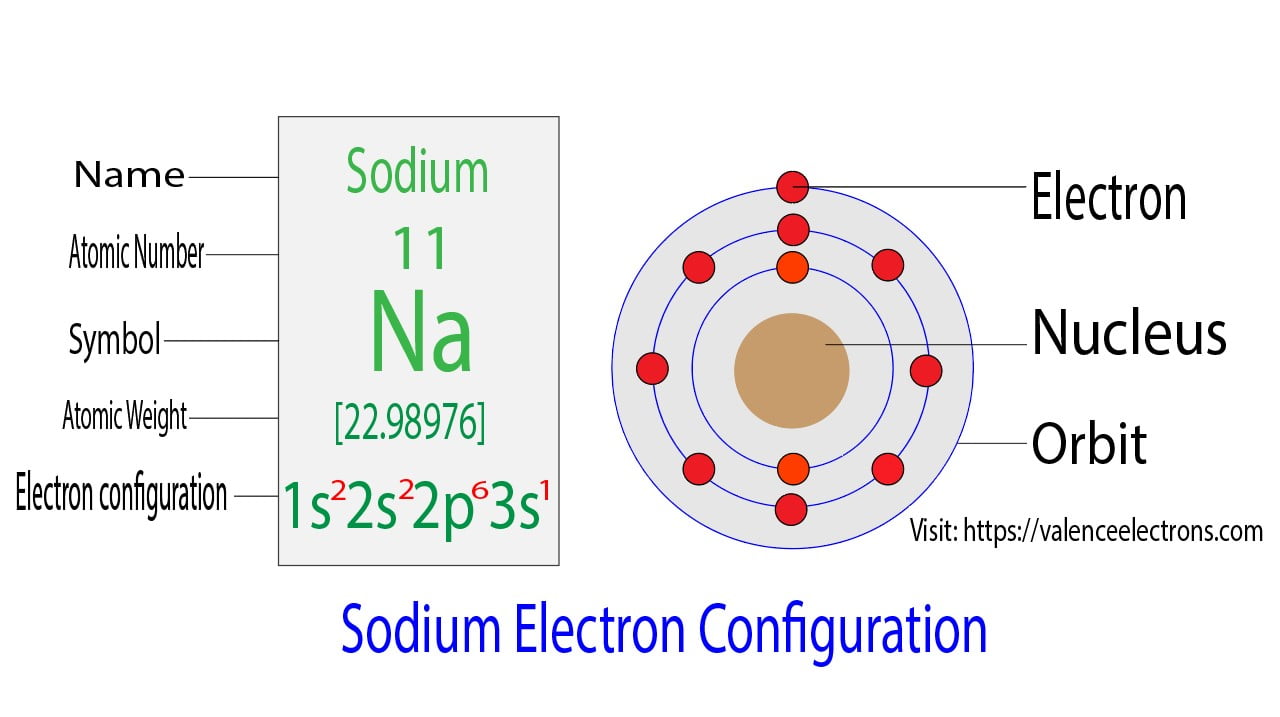
Sodium is the 11th element in the periodic table and the symbol is ‘Na’. Sodium’s atomic number is 11, which means that its atom has eleven electrons around its nucleus. To write…
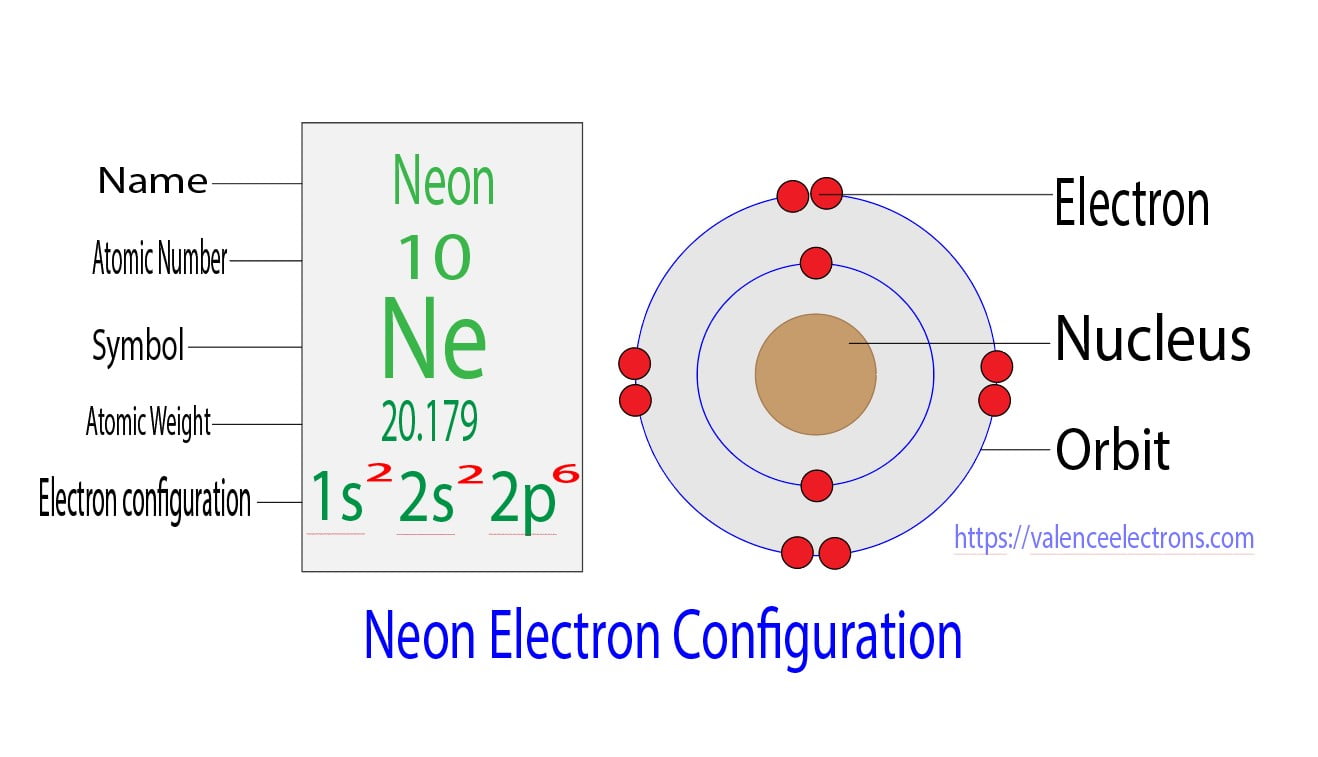
Neon is the tenth element of the periodic table and the symbol is ‘Ne’. Neon’s atomic number is 10, which means its atom has ten electrons around its nucleus. To write the…
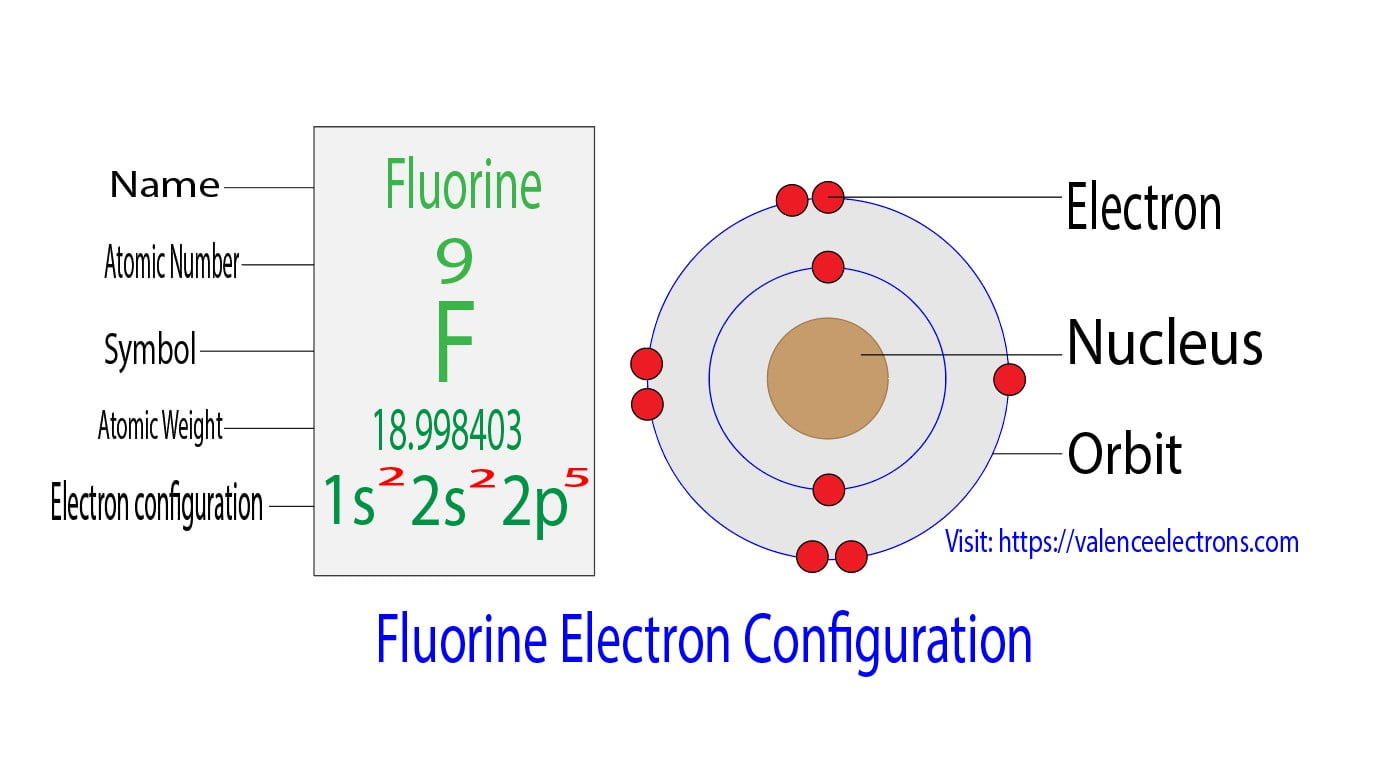
Fluorine is the ninth element in the periodic table and the symbol is ‘F’. The atomic number of fluorine is 9, which means that its atom has nine electrons around its nucleus….
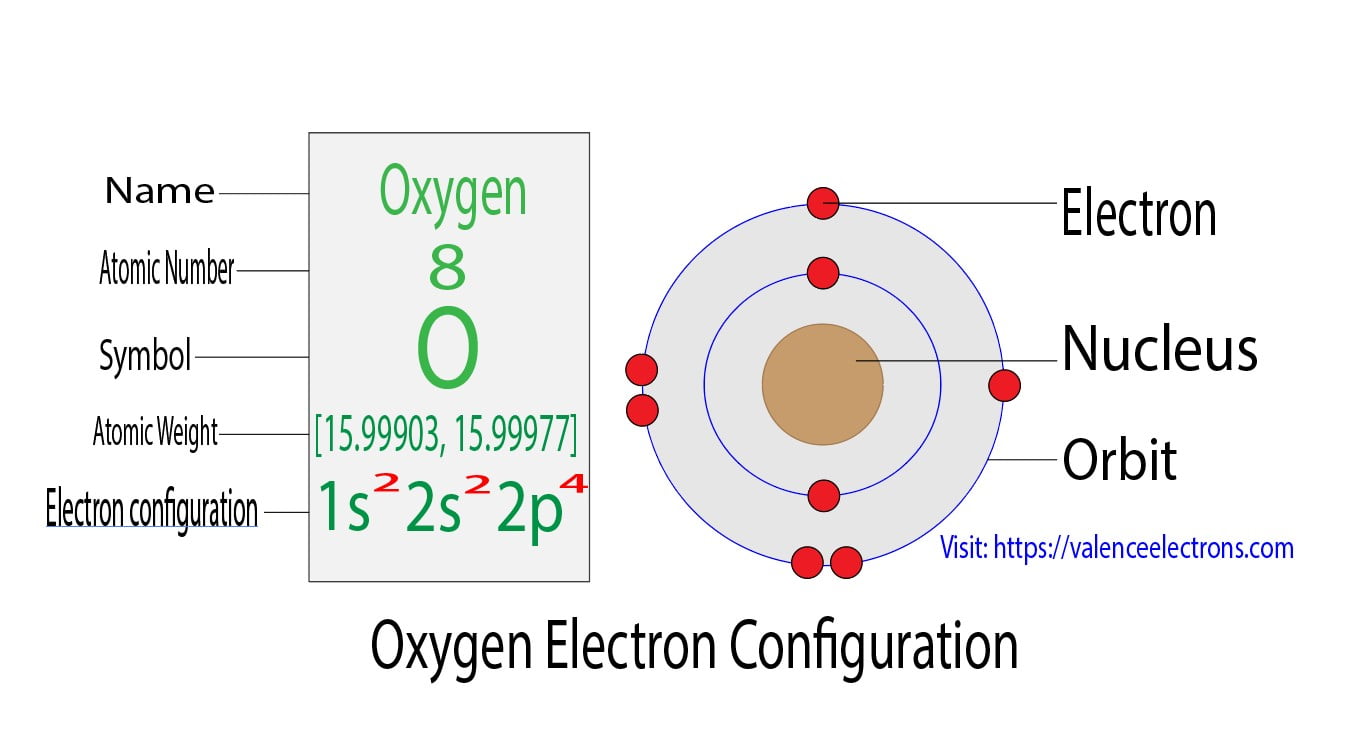
Oxygen is the 8th element in the periodic table and the symbol is ‘O’. Oxygen has an atomic number of 8, which means that its atom has eight electrons around its nucleus….
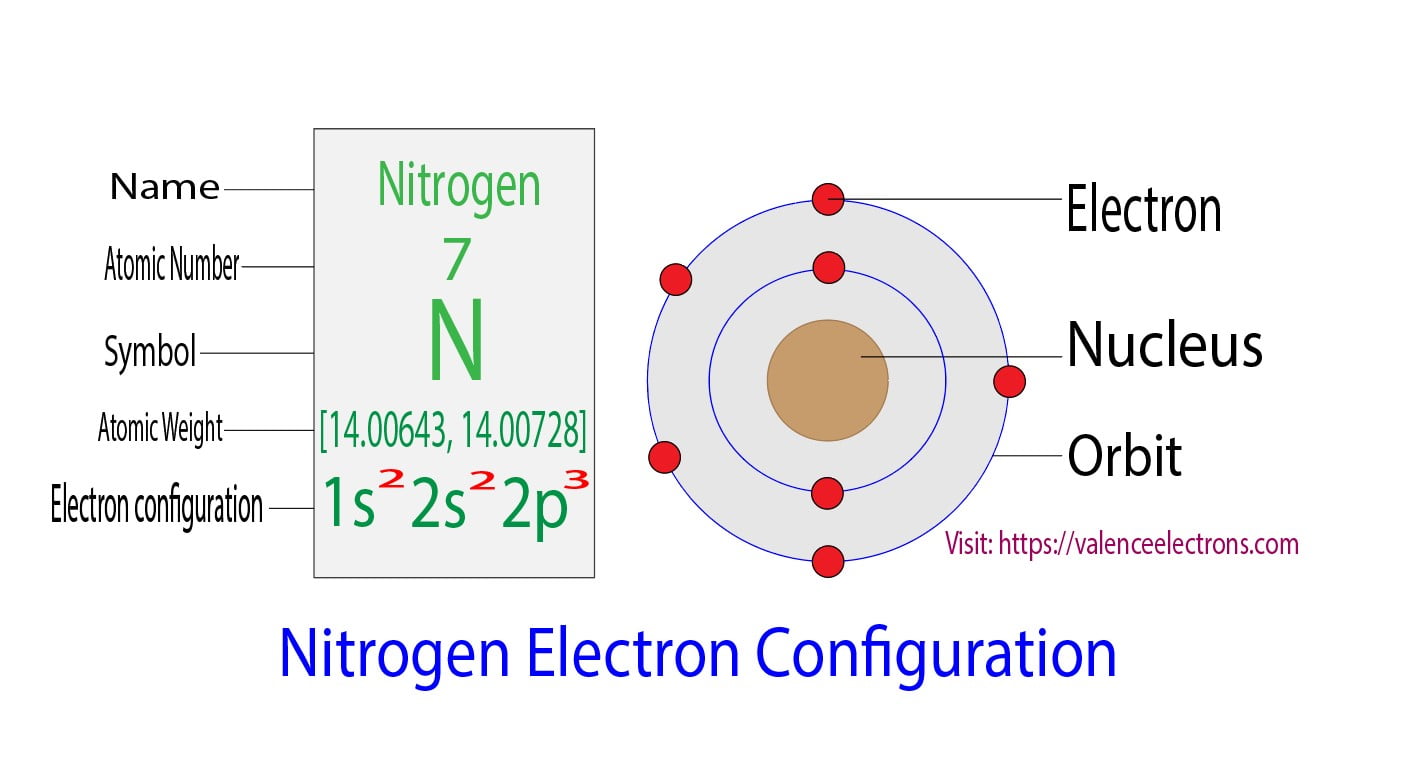
Nitrogen is the 7th element in the periodic table and the symbol is ‘N’. Nitrogen’s atomic number is 7, which means that its atom has seven electrons around its nucleus. To write…
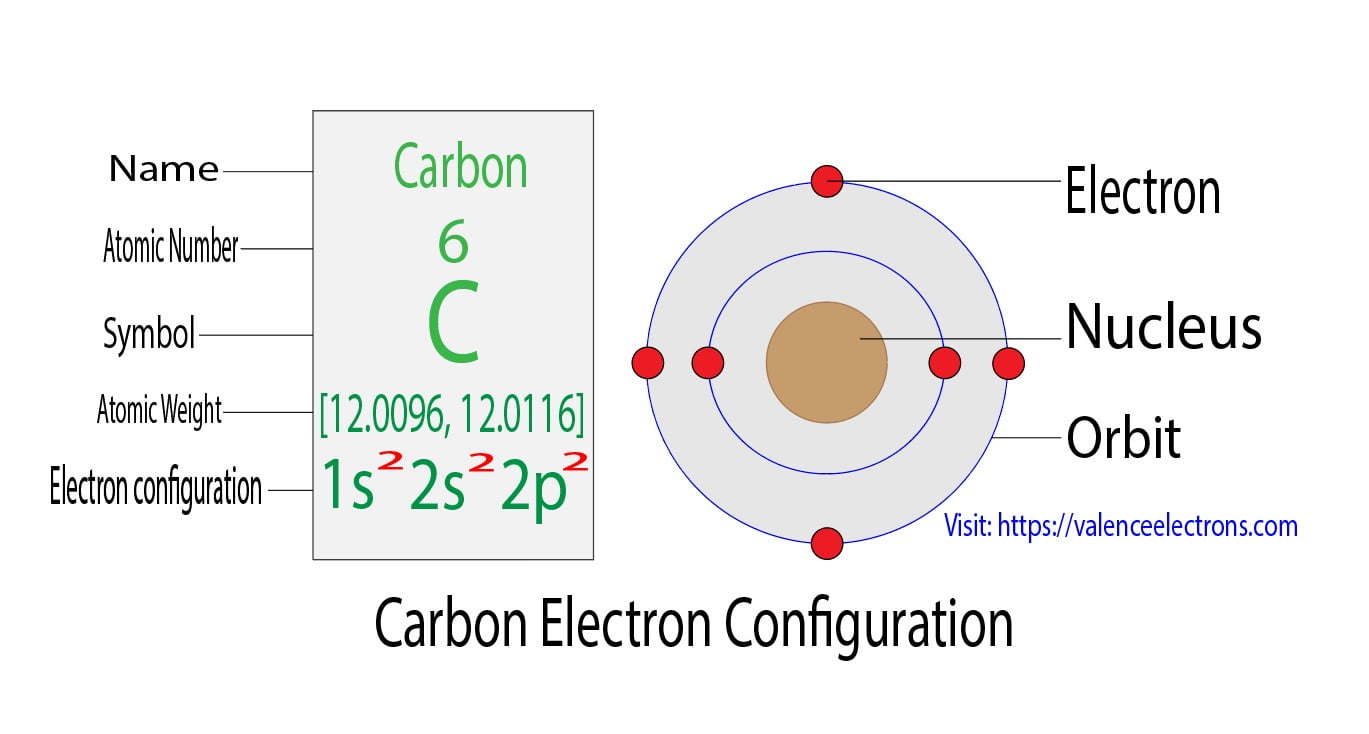
Carbon is the 6th element in the periodic table and the symbol is ‘C’. Carbon has an atomic number of 6, which means that its atom has six electrons around its nucleus….
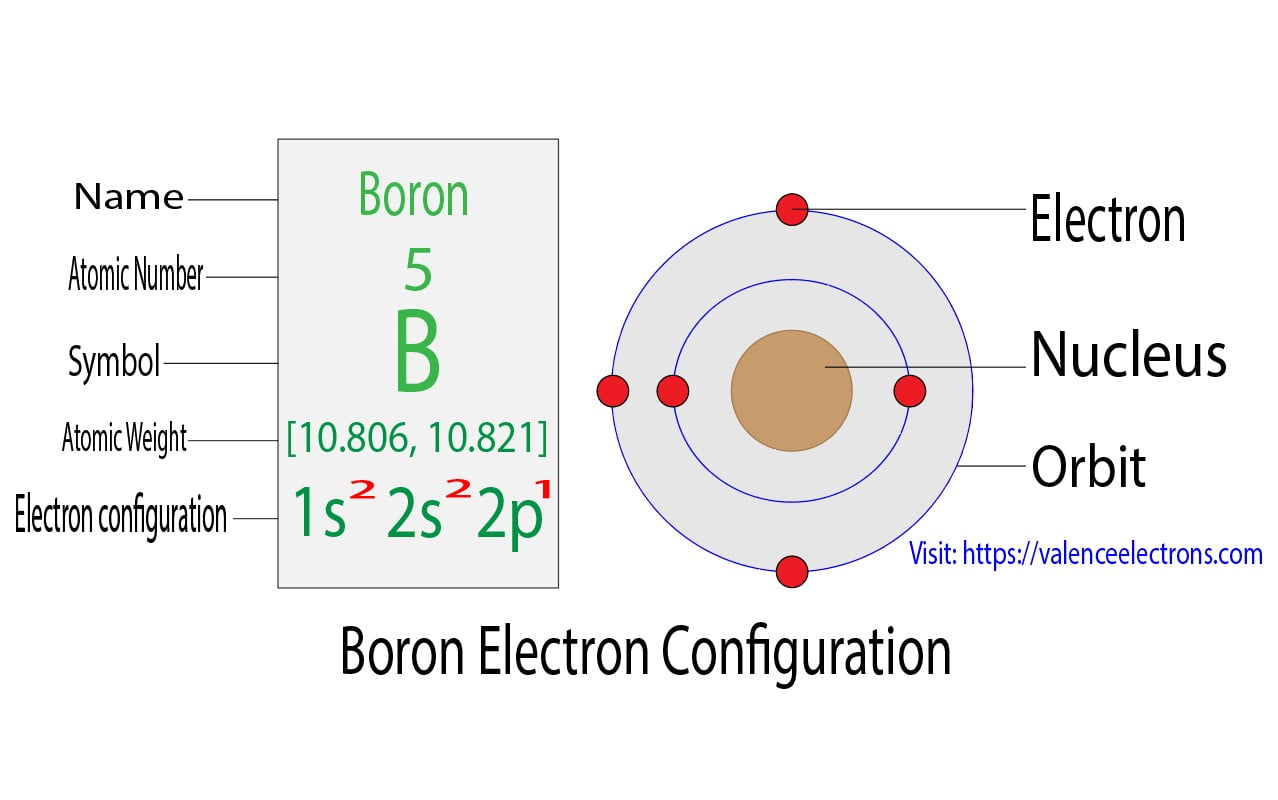
Boron is the 5th element in the periodic table and the symbol is ‘B’. Boron has an atomic number of 5, which means that its atom has five electrons around its nucleus….
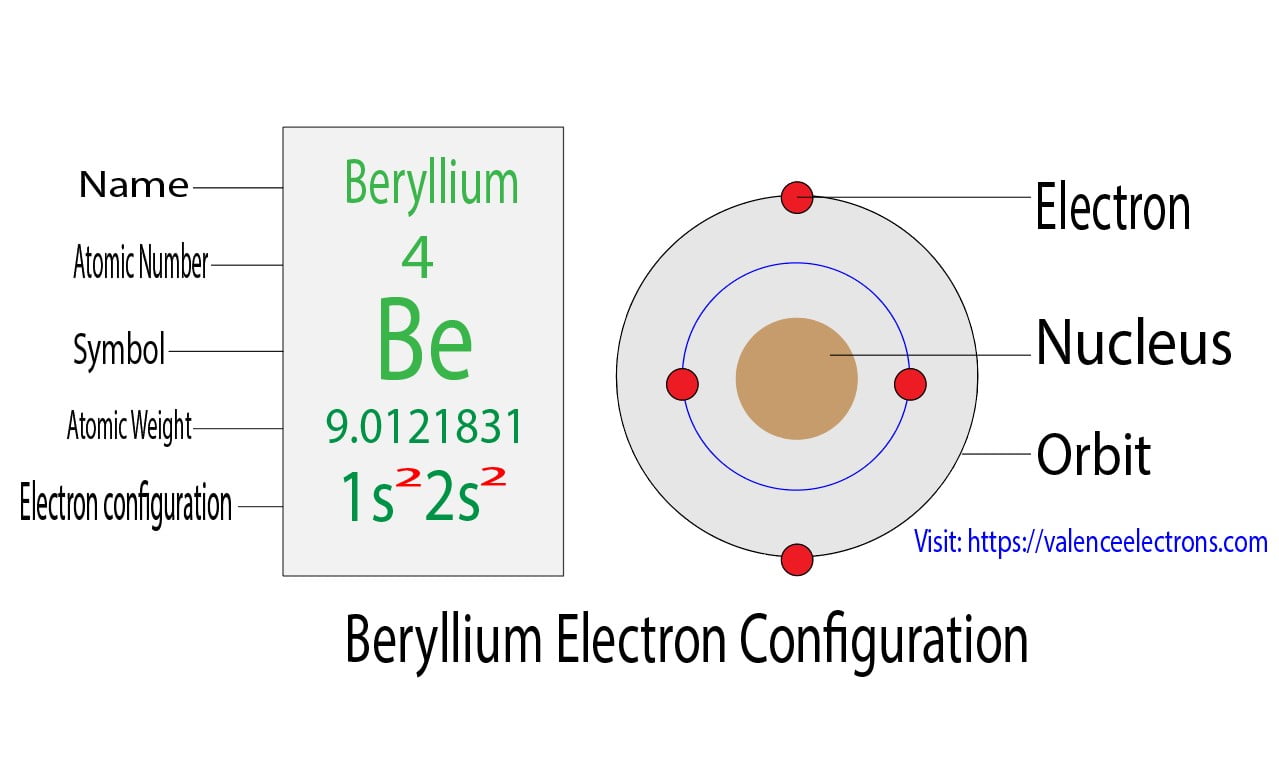
Beryllium is the 4th element in the periodic table and the symbol is ‘Be’. Beryllium has an atomic number of 4, which means that its atom has four electrons around its nucleus….
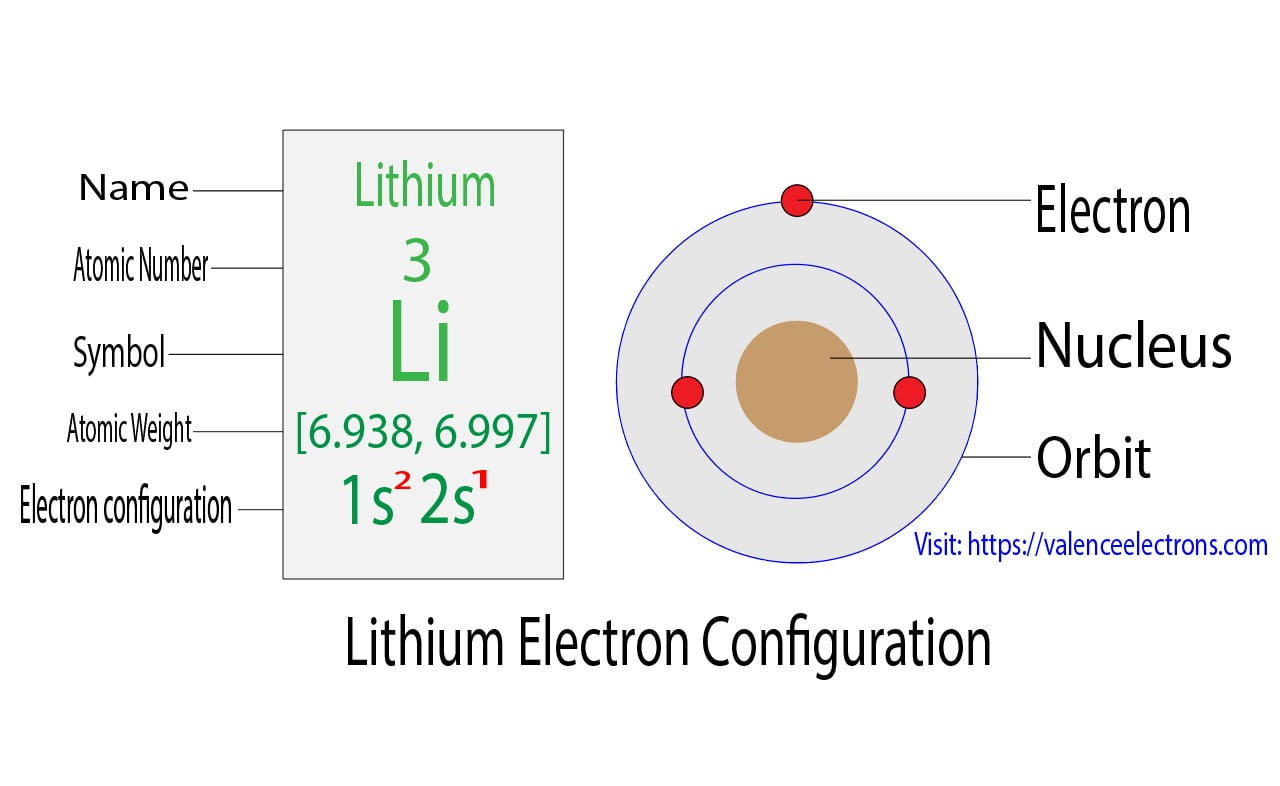
Lithium is the 3rd element in the periodic table and the symbol is ‘Li’. Lithium has an atomic number of 3, which means that its atom has only 3 electrons outside its…