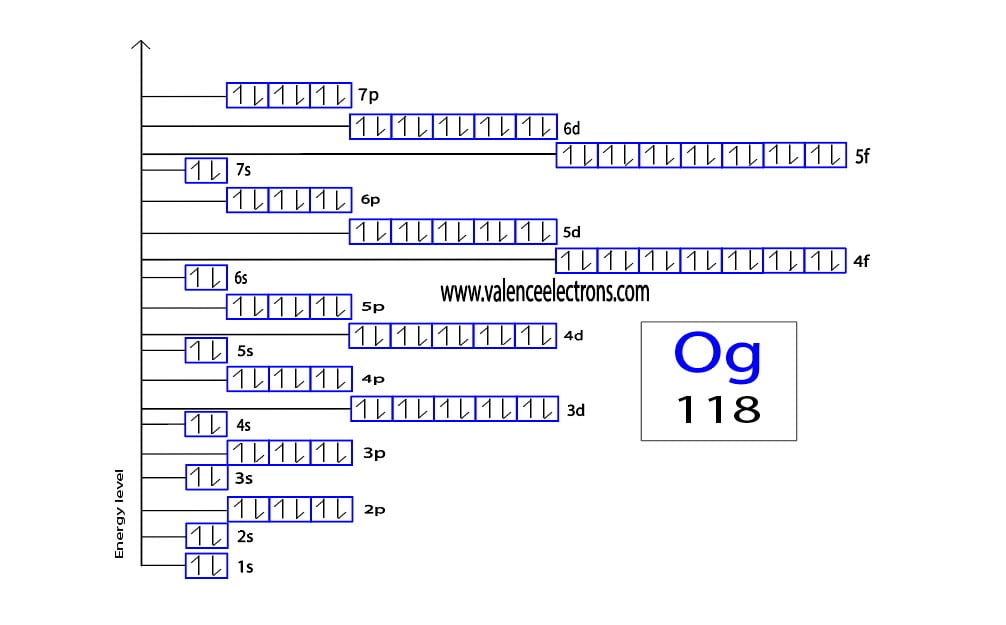
Graphical List for Orbital Diagram of All Elements
The orbital diagram is a graphical representation of the electron configuration of the atom. This diagram shows how the electrons in the atom are arranged in different orbitals.
Orbital is the region of space around the nucleus of an atom where electrons are found. To create an orbital diagram, you first need to know the atomic orbitals and the orbital notation for the atom, and also you need to know Hund’s principle.
What is orbital?
The electrons of the atom revolve around the nucleus in a certain circular path. These circular paths are called orbit (shell). Again, atomic energy shells are subdivided into sub-energy levels. These sub-energy levels are also called orbital.
The most probable region of electron rotation around the nucleus is called the orbital. The sub-energy levels depend on the azimuthal quantum number. It is expressed by ‘l’.
| Orbit Number | Value of ‘l’ | Number of subshells | Number of orbital | Subshell name | Electrons holding capacity | Electron Configuration |
| 1 | 0 | 1 | 1 | 1s | 2 | 1s2 |
| 2 | 0 1 | 2 | 1 3 | 2s 2p | 2 6 | 2s2 2p6 |
| 3 | 0 1 2 | 3 | 1 3 5 | 3s 3p 3d | 2 6 10 | 3s2 3p6 3d10 |
| 4 | 0 1 2 3 | 4 | 1 3 5 7 | 4s 4p 4d 4f | 2 6 10 14 | 4s2 4p6 4d10 4f14 |
The value of ‘l’ is from 0 to (n – 1). The sub-energy levels are known as s, p, d, and f.
The orbital number of the s-subshell is one, three in the p-subshell, five in the d-subshell, and seven in the f-subshell. Each orbital can have a maximum of two electrons.
| Sub-shell name | Name source | Value of ‘l’ | Value of ‘m’ (0 to ± l) | Number of orbital (2l+1) | Electrons holding capacity 2(2l+1) |
| s | Sharp | 0 | 0 | 1 | 2 |
| p | Principal | 1 | −1, 0, +1 | 3 | 6 |
| d | Diffuse | 2 | −2, −1, 0, +1, +2 | 5 | 10 |
| f | Fundamental | 3 | −3, −2, −1, 0, +1, +2, +3 | 7 | 14 |
The sub-energy level ‘s’ can hold a maximum of two electrons, ‘p’ can hold a maximum of six electrons, ‘d’ can hold a maximum of ten electrons, and ‘f’ can hold a maximum of fourteen electrons.
What is the orbital notation?
The orbital notation is a shorthand system designed to represent the exact positions of the electrons in the atom. This is similar to electron configuration, but numbers are used instead of boxes to represent the positions of the electrons.
This orbital notation system always follows the Aufbau principle. The Aufbau principle is that the electrons present in the atom will first complete the lowest energy orbital and then gradually continue to complete the higher energy orbital.
What is Hund’s principle?
Hund’s principle is a rule that helps to determine how electrons are distributed in orbitals when multiple orbitals of the same energy level are available.
Hund’s principle is that electrons in different orbitals with the same energy would be positioned in such a way that they could be in the unpaired state of maximum number and the spin of the unpaired electrons will be one-way.
For example, we already know that the p-subshell has three orbitals. The orbitals are px, py, and pz and each orbital can have a maximum of two electrons. When electrons want to enter the p-subshell, then the first electron will enter the px orbital in the clockwise direction.
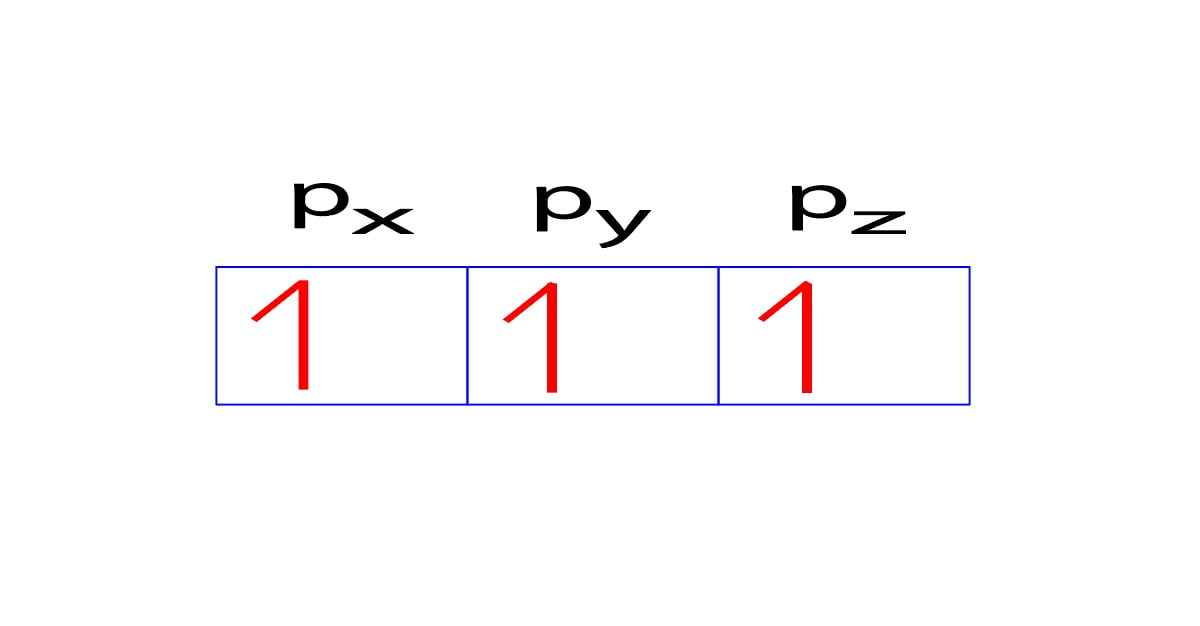
The second electron will also enter the py orbital in the clockwise direction and the third electron will also enter the pz orbital in the clockwise direction.
Now, when the fourth electron wants to enter the p-subshell, then it will enter the px orbital in the anti-clockwise direction.
The fifth electron will also enter the py orbital in the anti-clockwise direction and the sixth electron will also enter the pz orbital in the anti-clockwise direction.
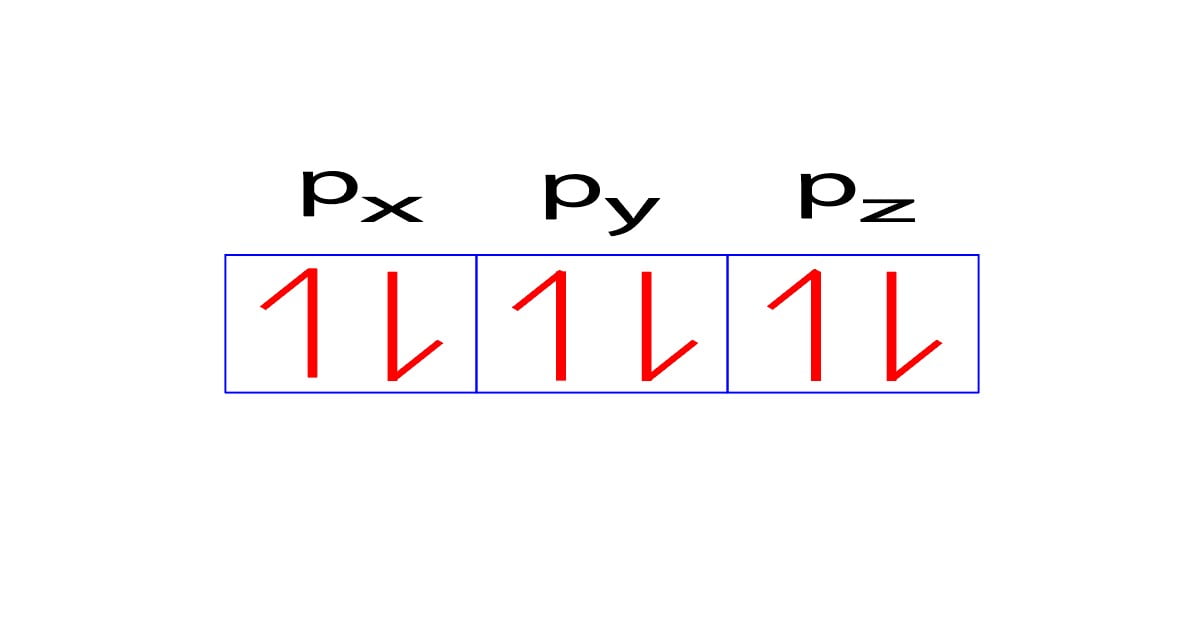
Here, the clockwise direction is expressed by the upper sign (↑) and the anti-clockwise direction by the lower sign (↓). Basically, these two symbols (↑↓) indicate the direction of electron spin.
List of Orbital Diagram for All Elements (1 to 118)
Orbital diagrams are usually represented by boxes. Each box represents an orbital and the arrows within the box represent the position of the electron. The boxes are arranged in order of energy of the orbitals.
The lowest energy orbitals are closest to the nucleus and the higher energy orbitals are progressively further away from the nucleus in order of their energy levels.
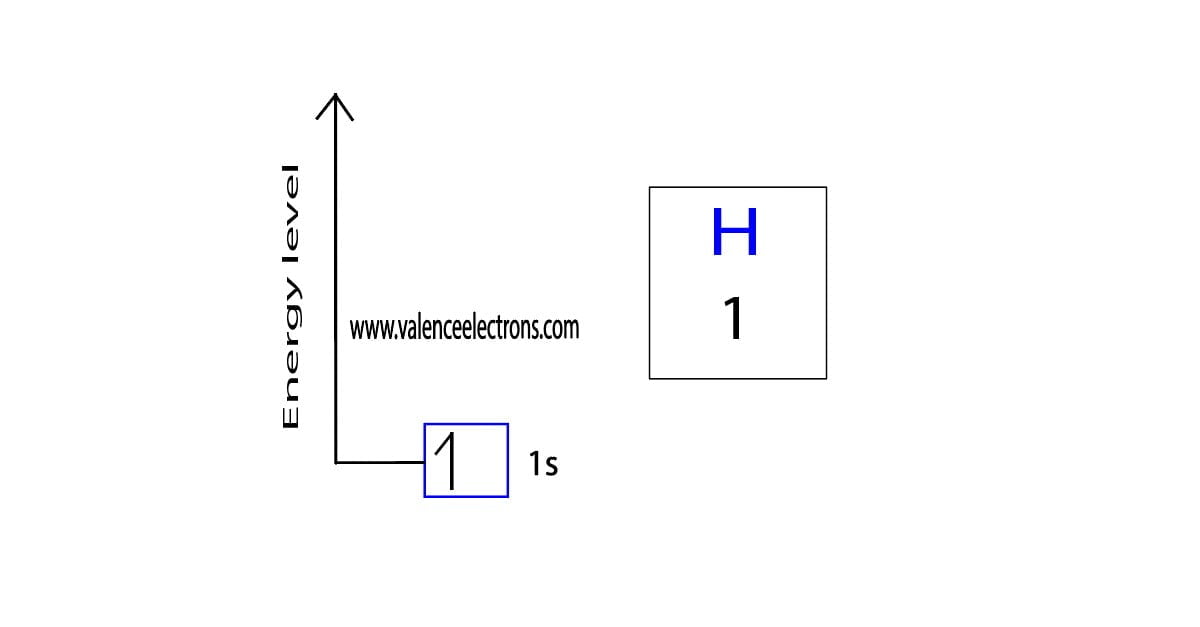
1. Orbital Diagram for Hydrogen (H)
2. Orbital Diagram for Helium (He)
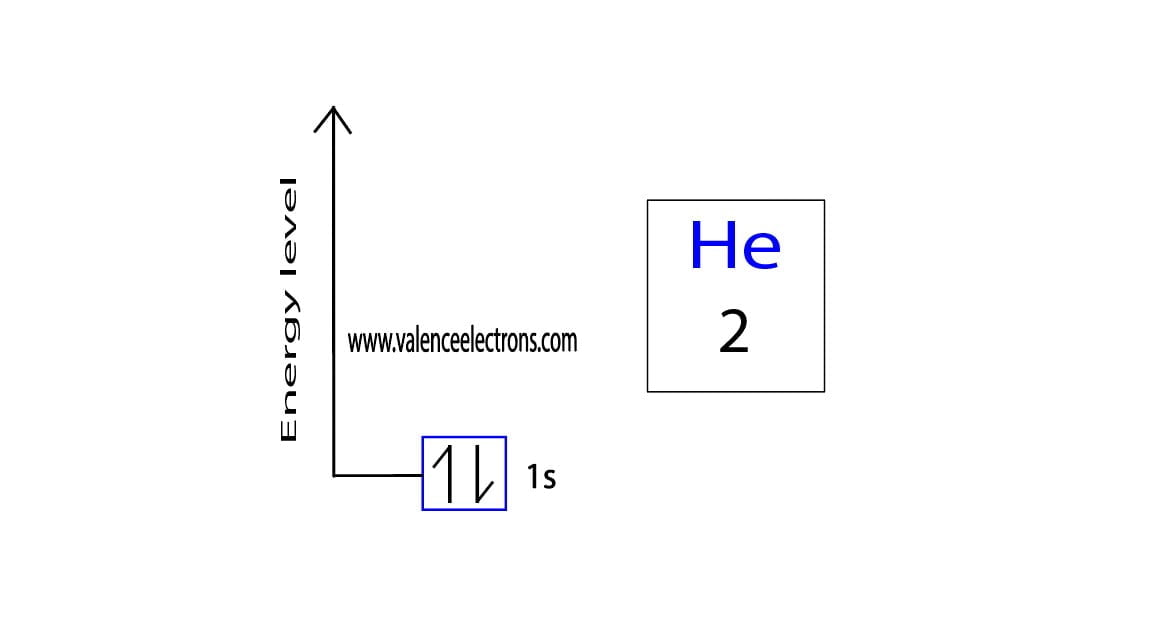
3. Orbital Diagram for Lithium (Li)
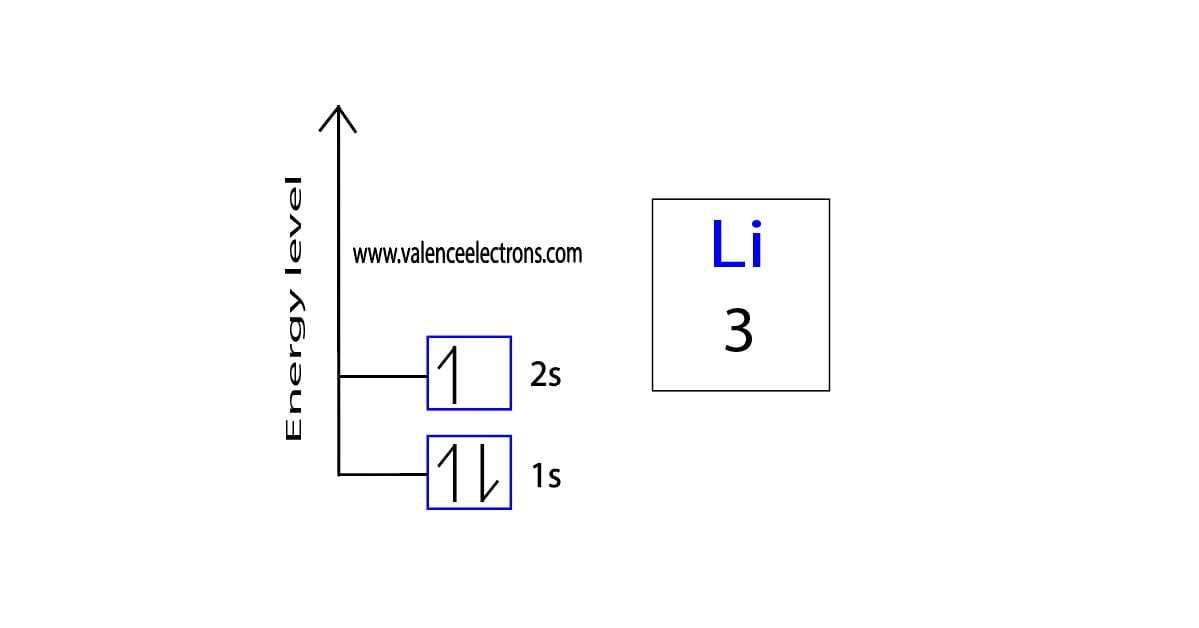
4. Orbital Diagram for Beryllium (Be)
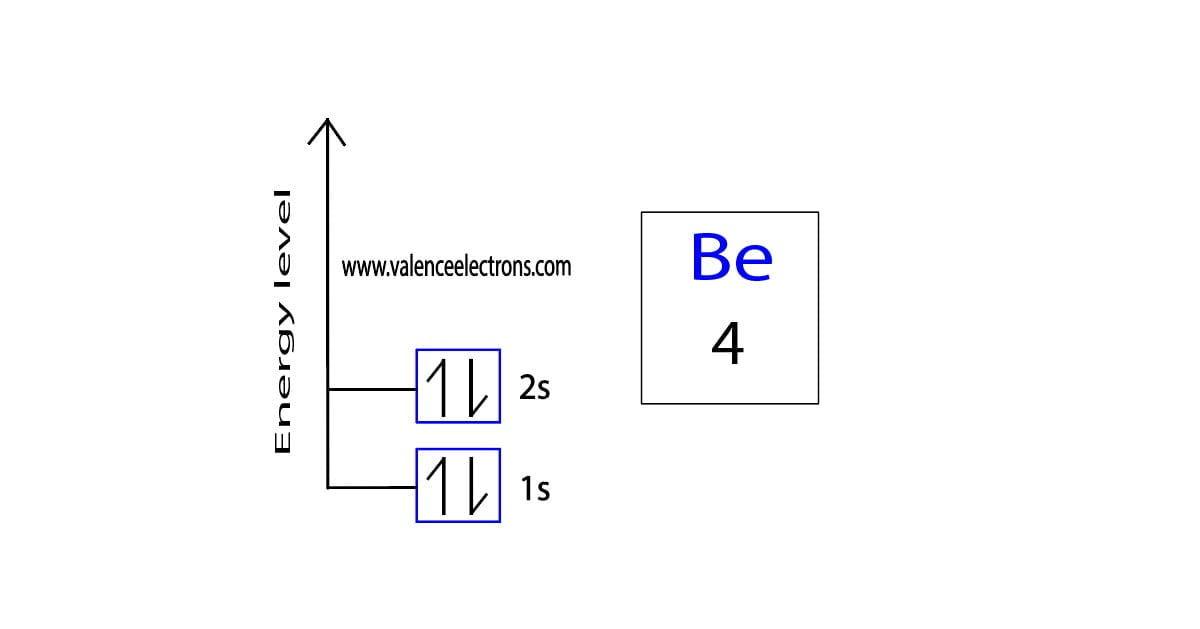
5. Orbital Diagram for Boron (B)
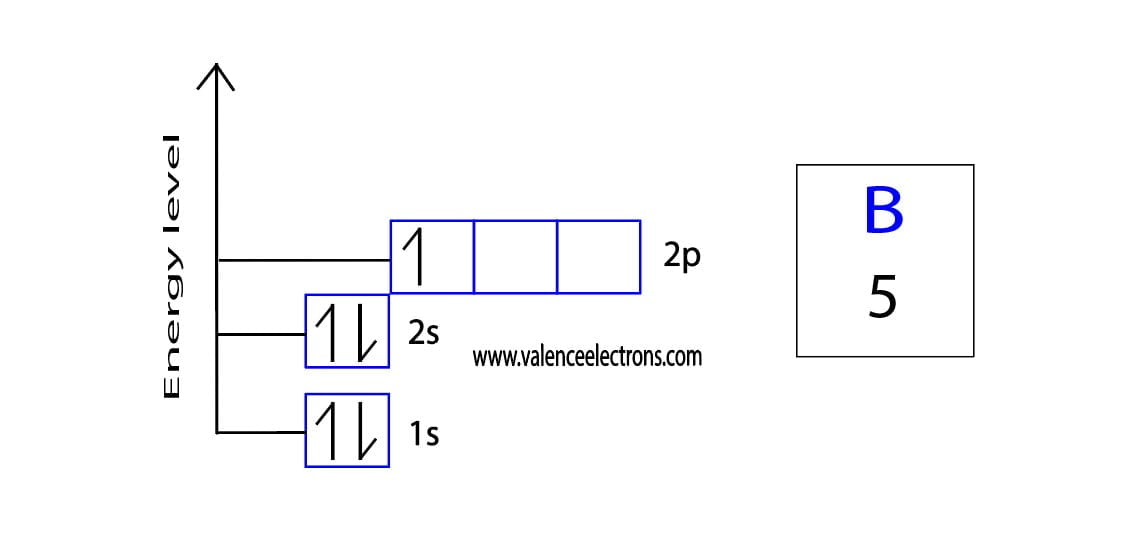
6. Orbital Diagram for Carbon (C)
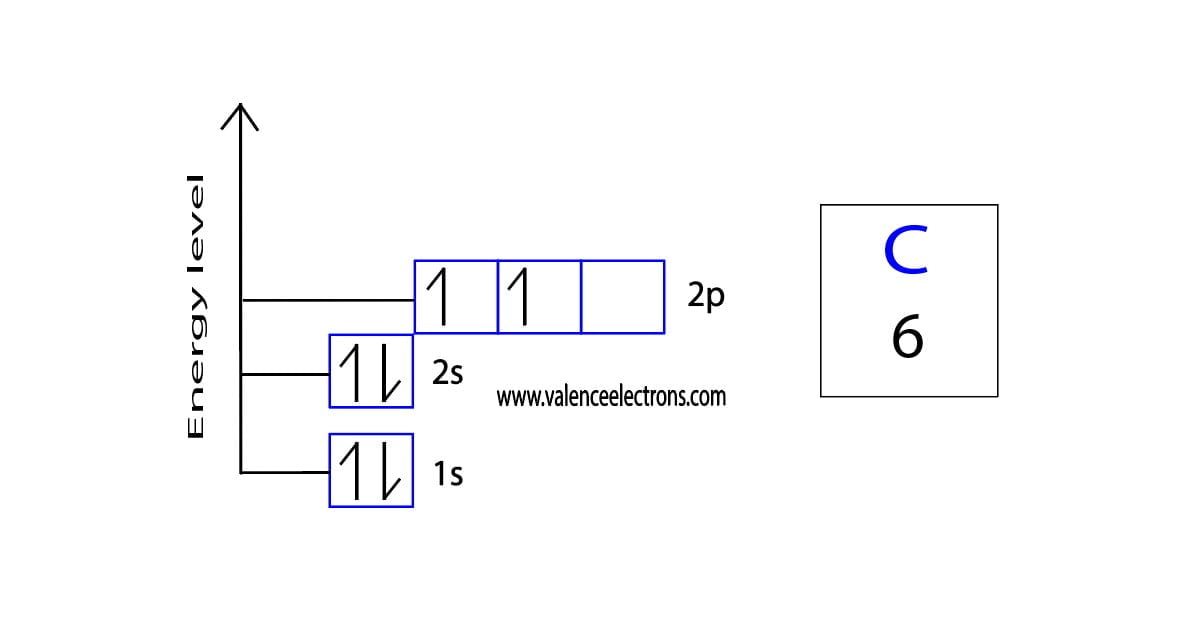
7. Orbital Diagram for Nitrogen (N)
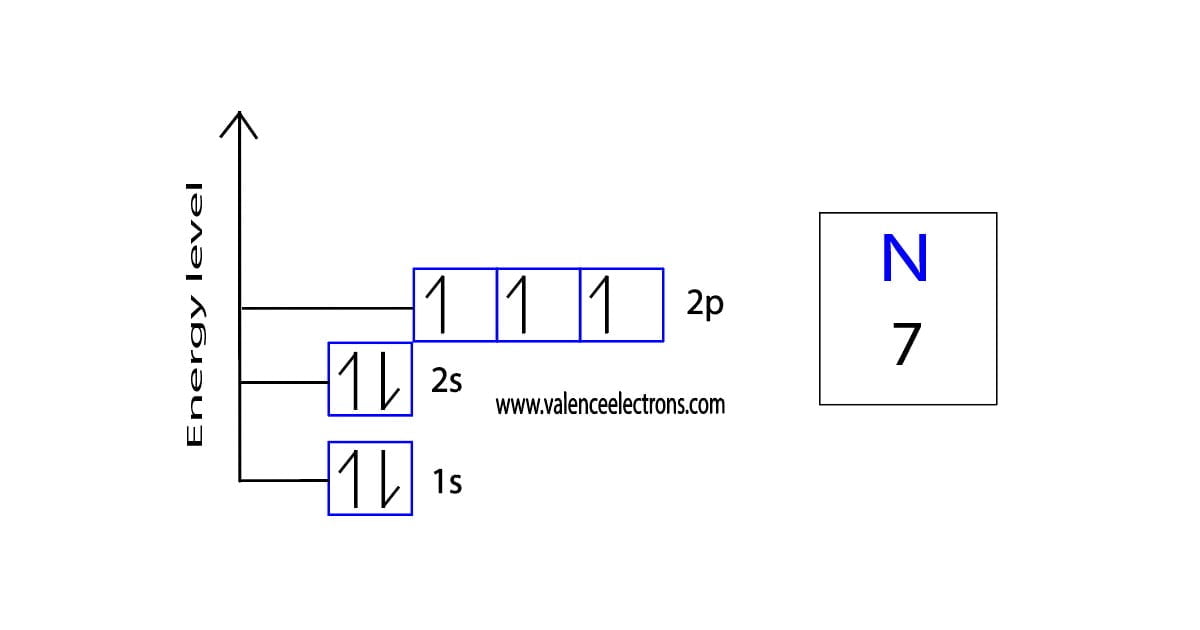
8. Orbital Diagram for Oxygen (O)
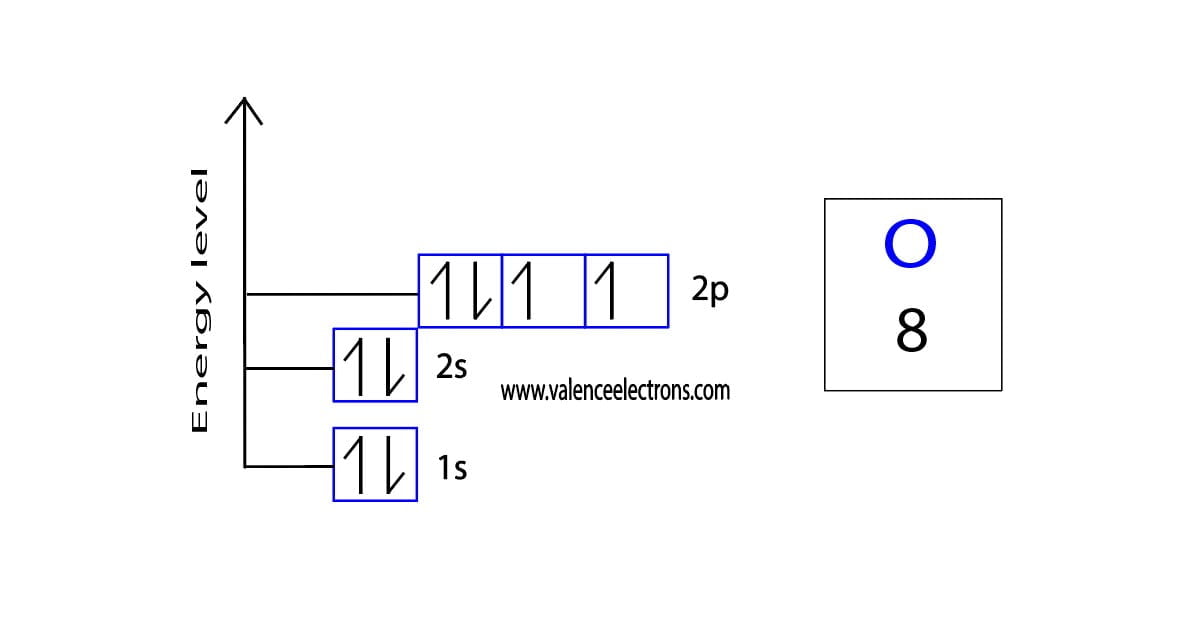
9. Orbital Diagram for Fluorine (F)
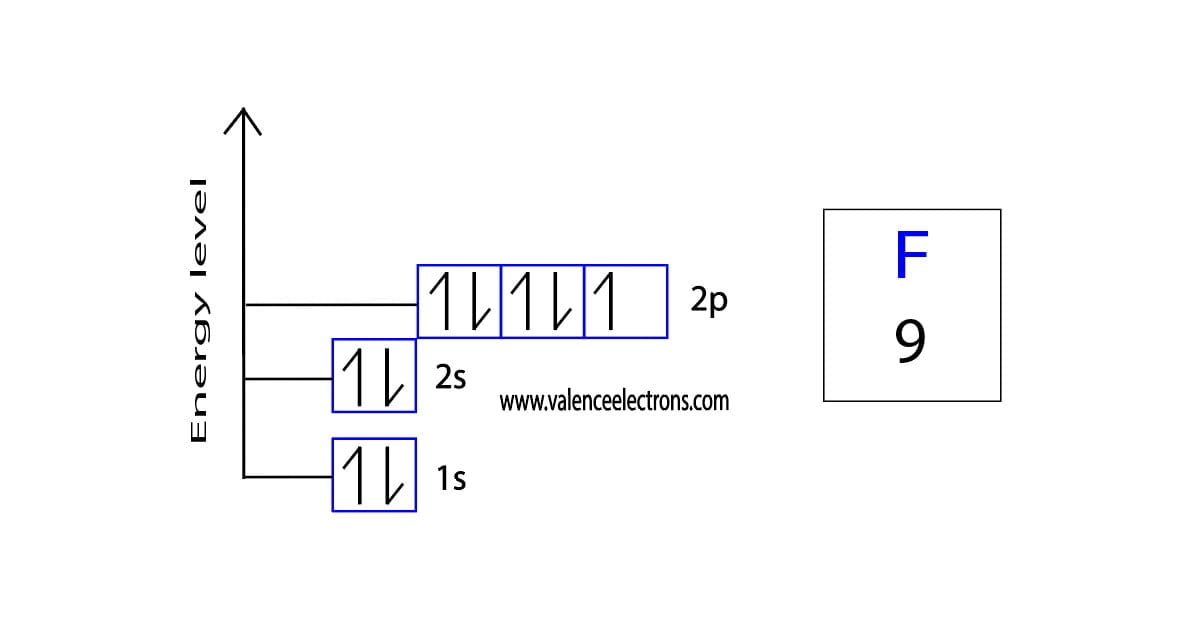
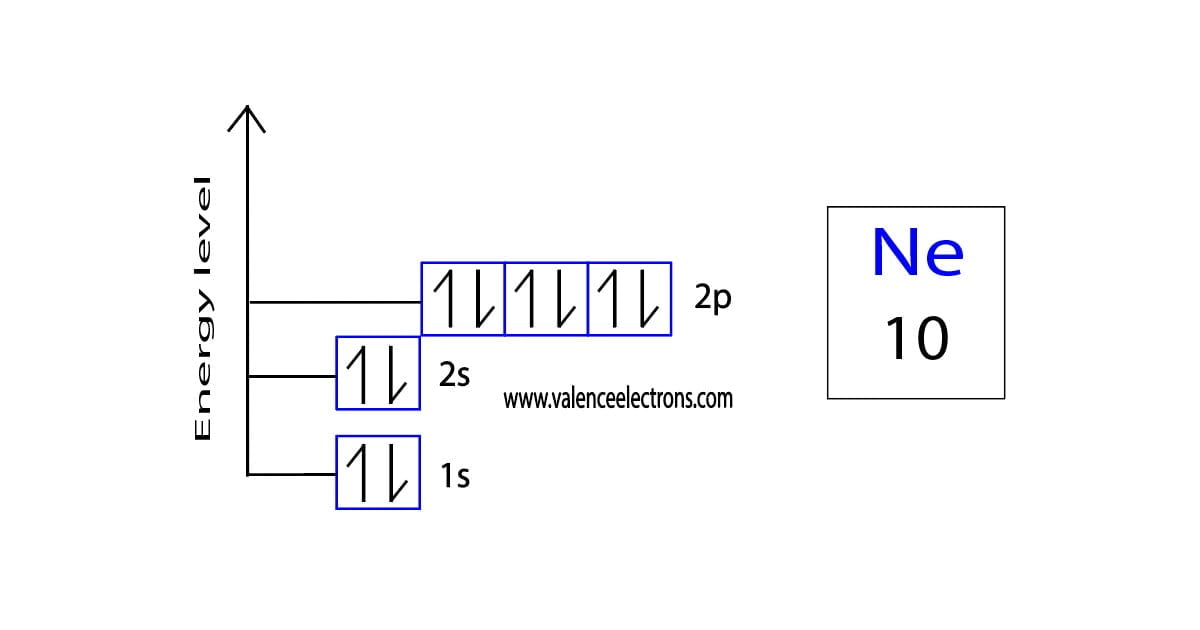
10. Orbital Diagram for Neon (Ne)
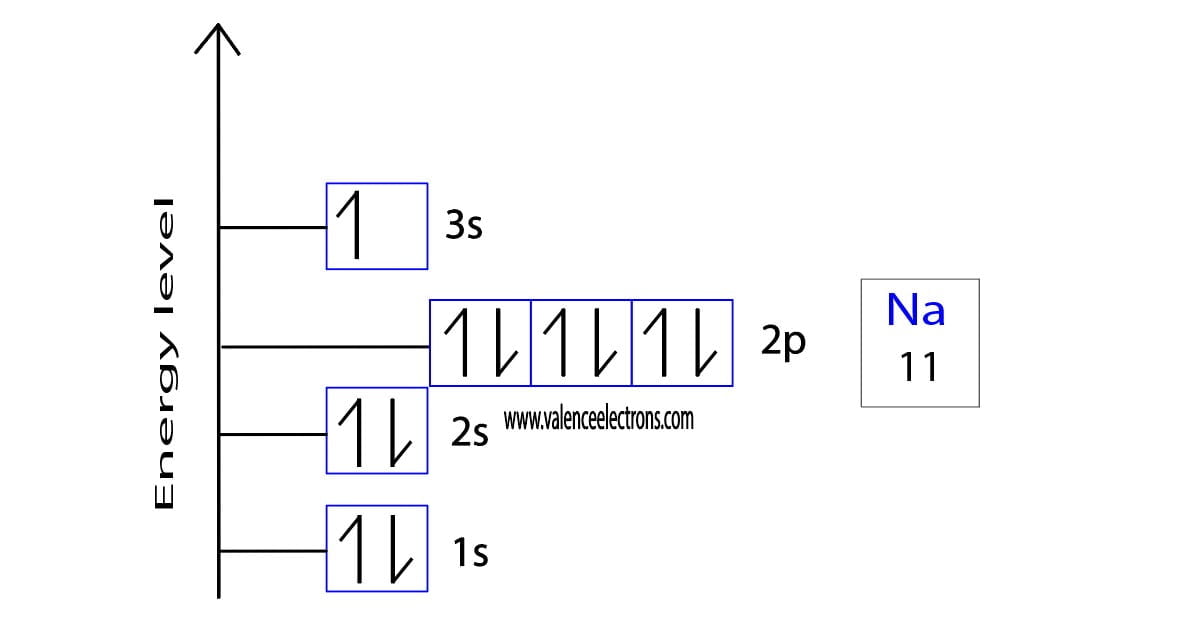
11. Orbital Diagram for Sodium (Na)
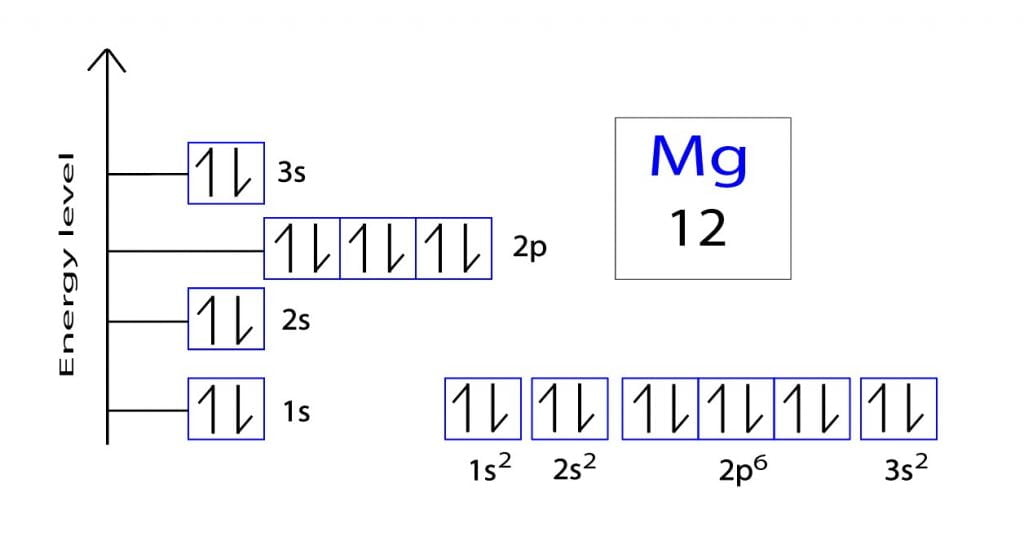
12. Orbital Diagram for Magnesium (Mg)
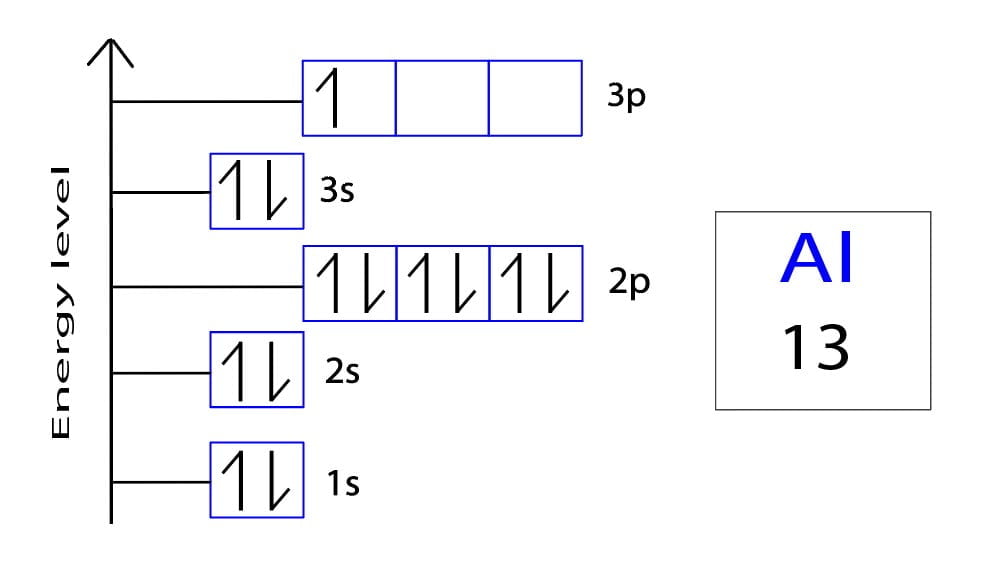
13. Orbital Diagram for Aluminum (Al)
14. Orbital Diagram for Silicon (Si)
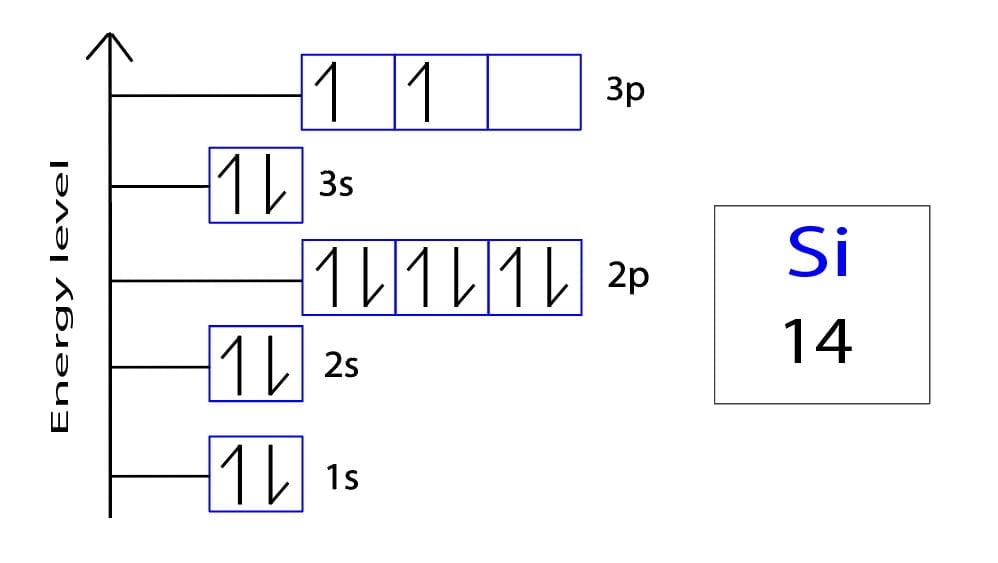
15. Orbital Diagram for Phosphorus (P)
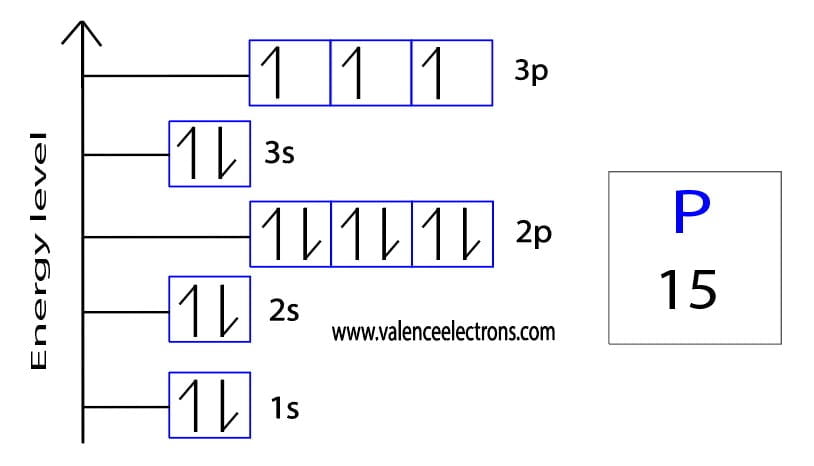
16. Orbital Diagram for Sulfur (S)
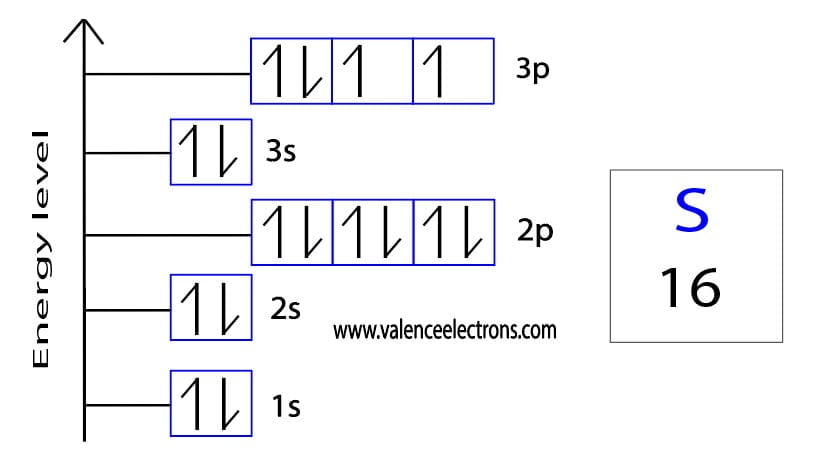
17. Orbital Diagram for Chlorine (Cl)
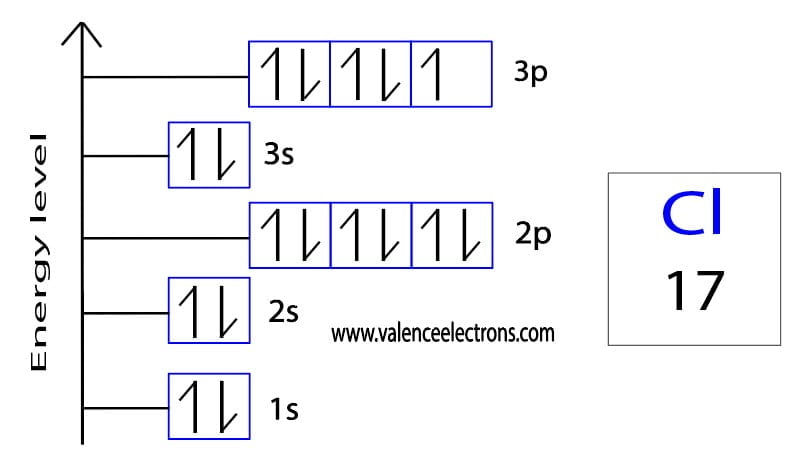
18. Orbital Diagram for Argon (Ar)
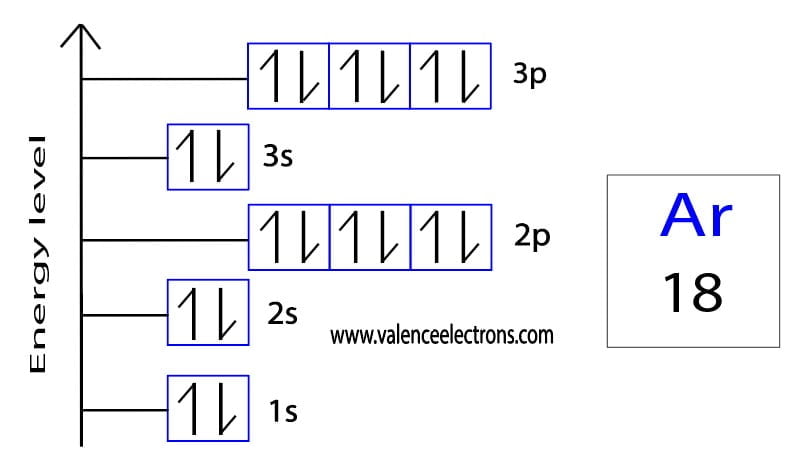
19. Orbital Diagram for Potassium (K)
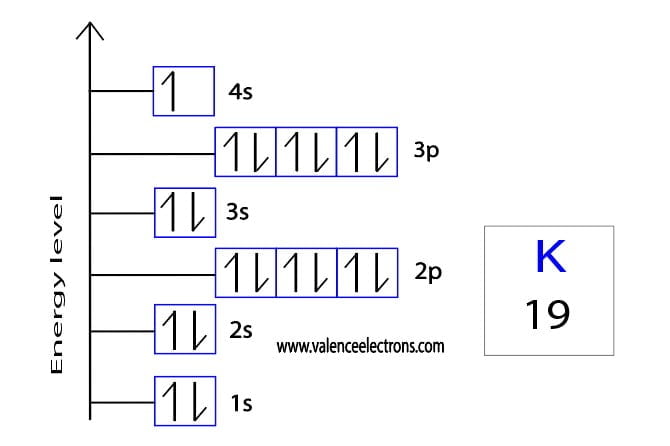
20. Orbital Diagram for Calcium (Ca)
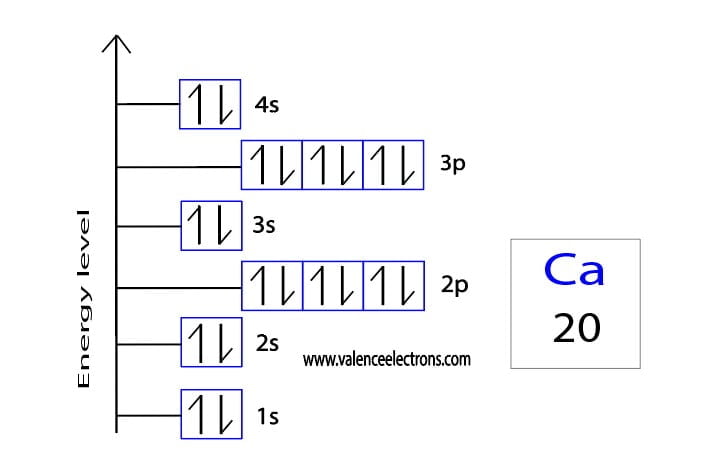
21. Orbital Diagram for Scandium (Sc)
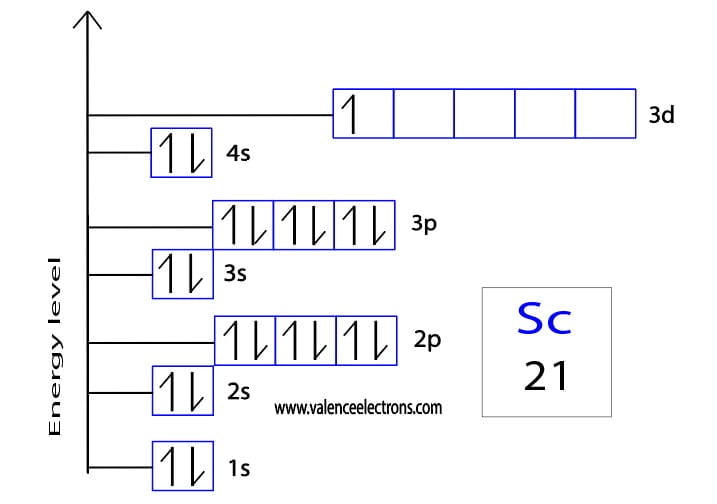
22. Orbital Diagram for Titanium (Ti)
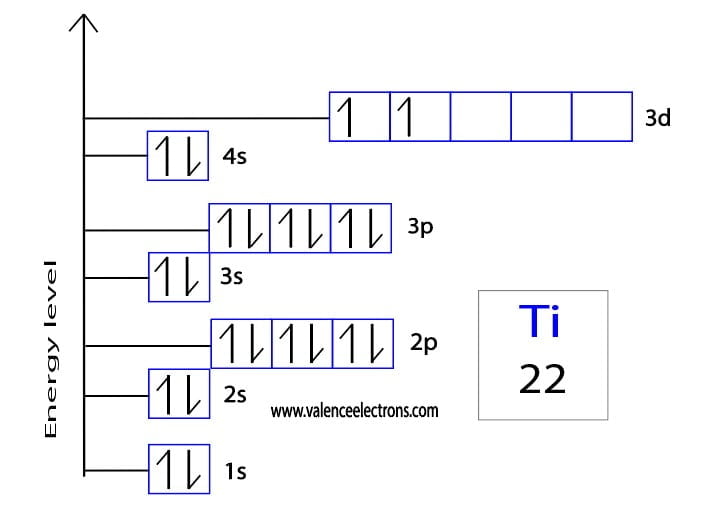
23. Orbital Diagram for Vanadium (V)
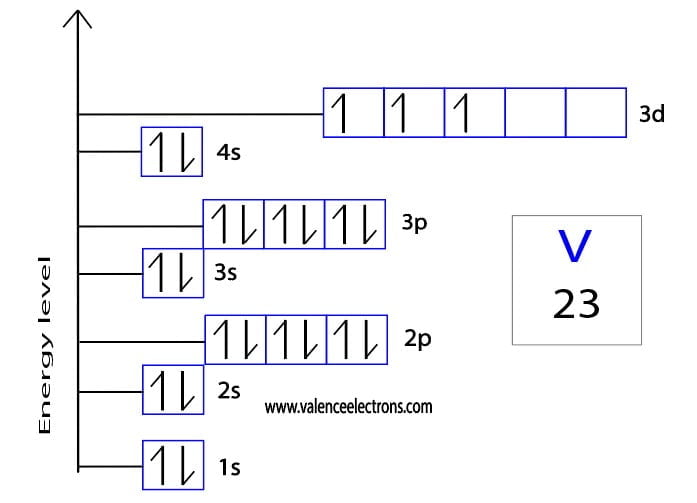
24. Orbital Diagram for Chromium (Cr)
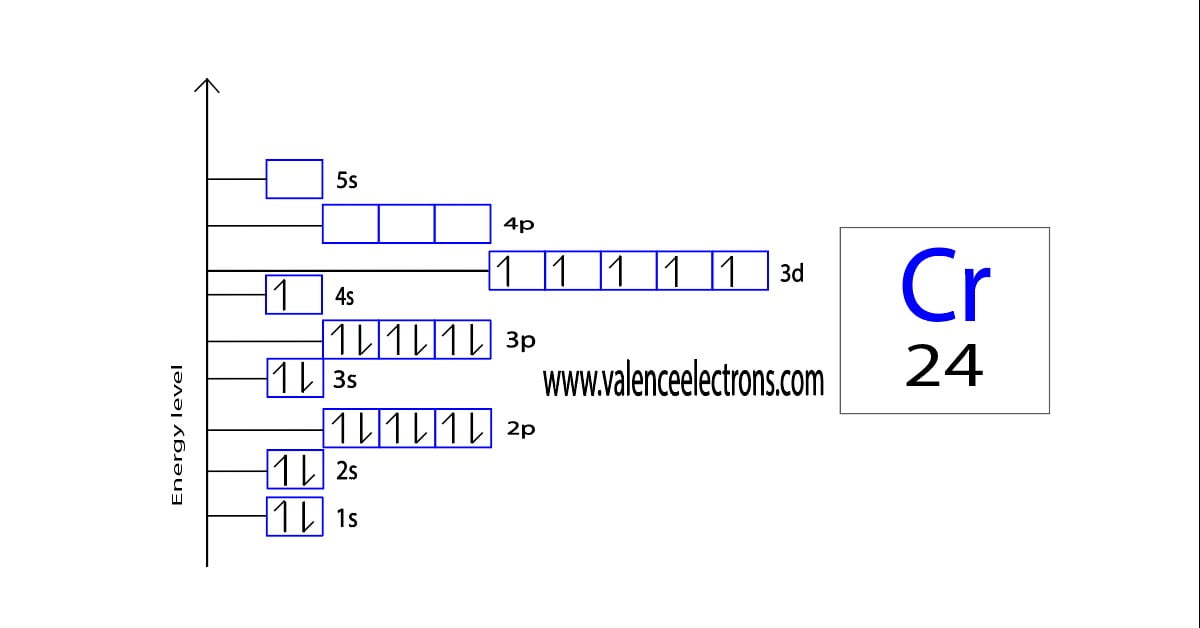
25. Orbital Diagram for Manganese (Mn)
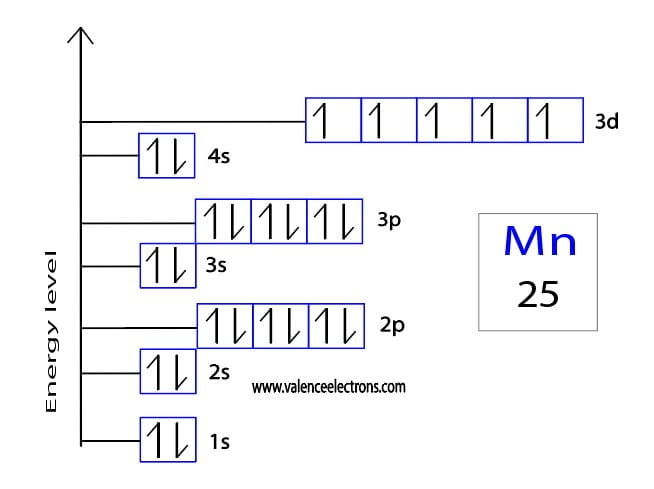
26. Orbital Diagram for Iron (Fe)
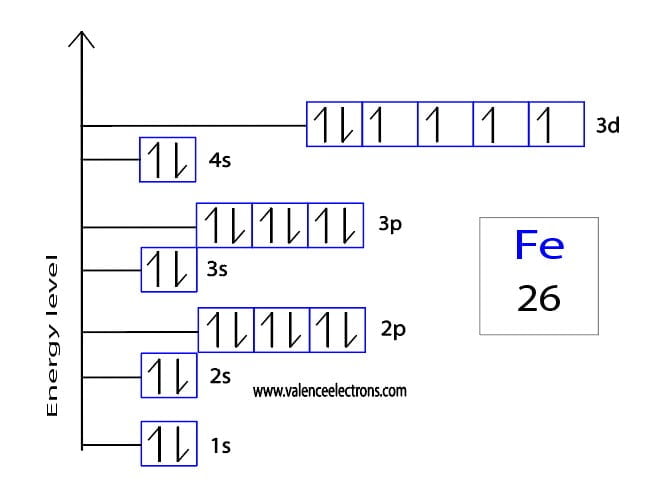
27. Orbital Diagram for Cobalt (Co)
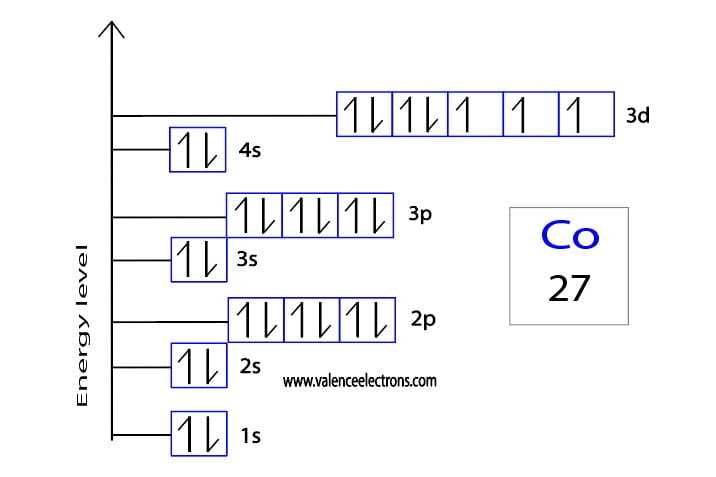
28. Orbital Diagram for Nickel (Ni)
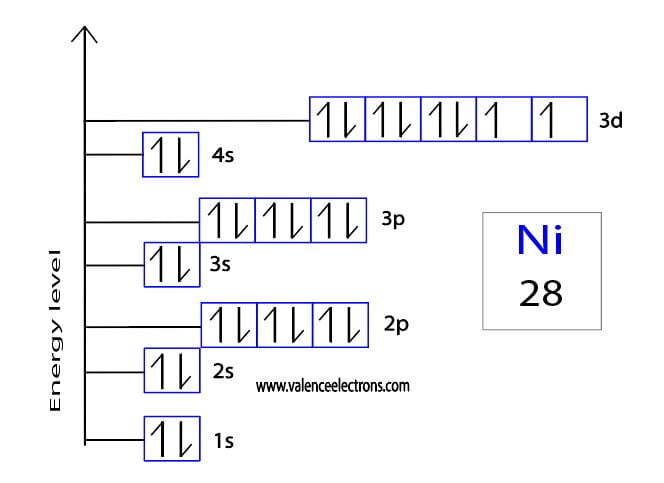
29. Orbital Diagram for Copper (Cu)
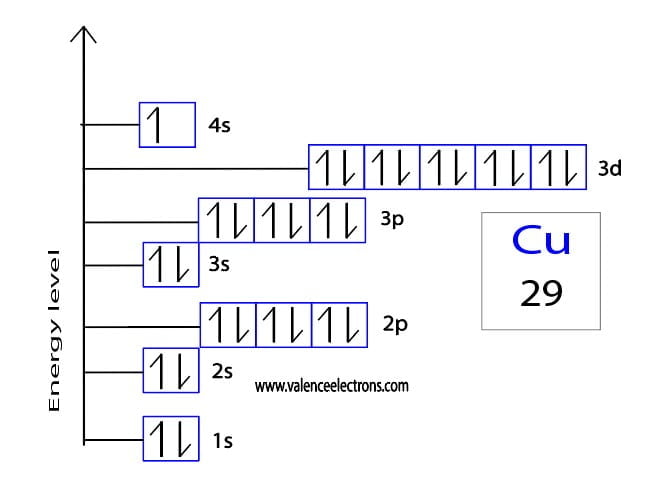
30. Orbital Diagram for Zinc (Zn)
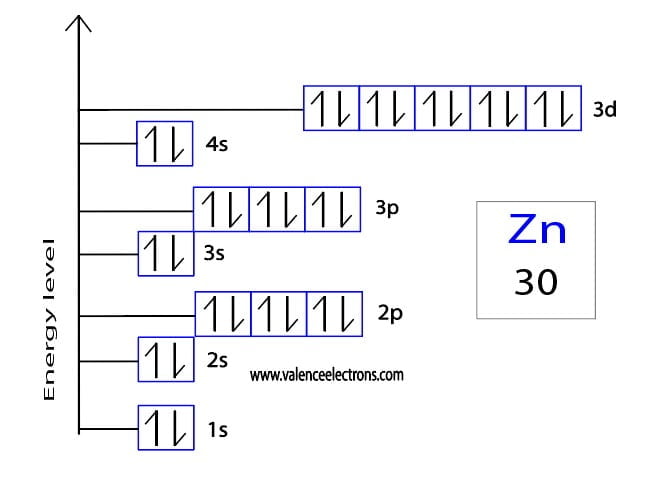
31. Orbital Diagram for Gallium (Ga)
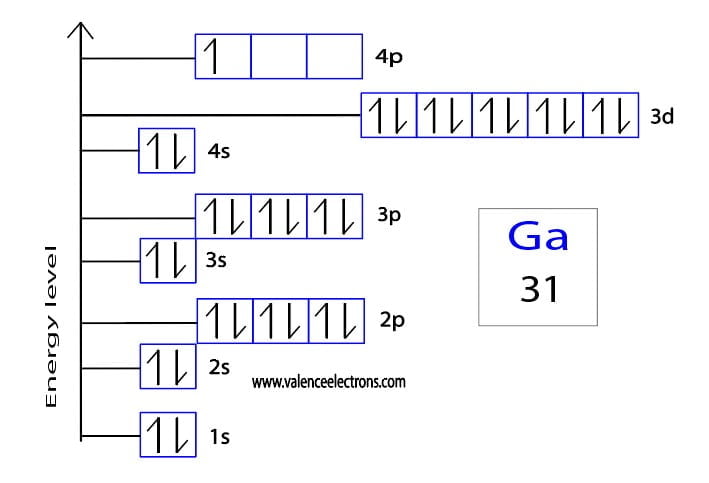
32. Orbital Diagram for Germanium (Ge)
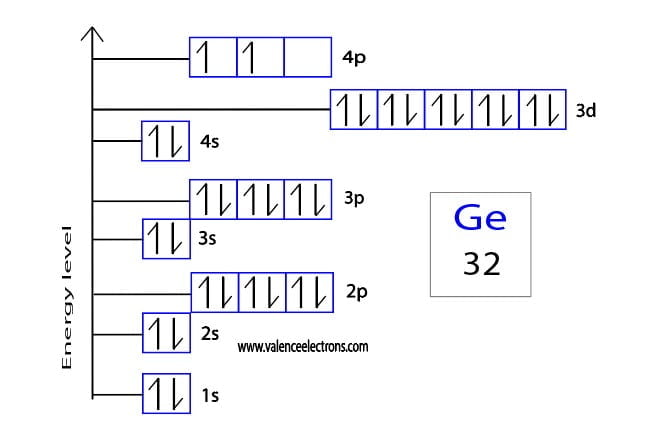
33. Orbital Diagram for Arsenic (As)
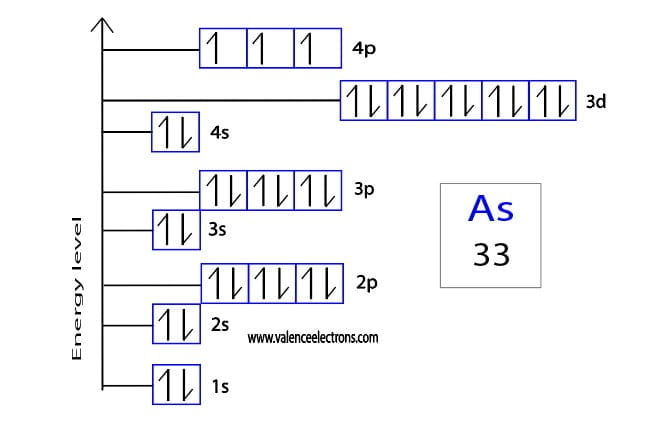
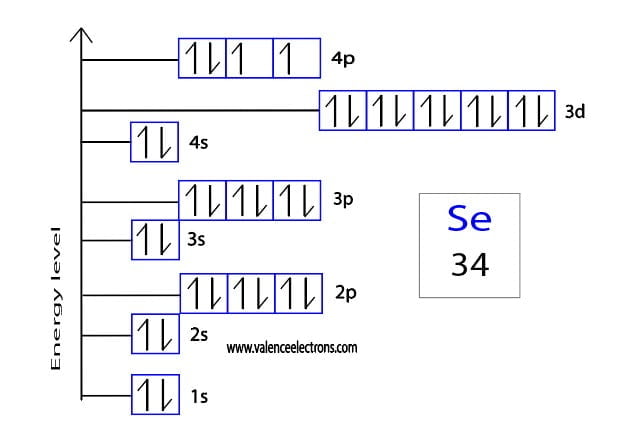
34. Orbital Diagram for Selenium (Se)
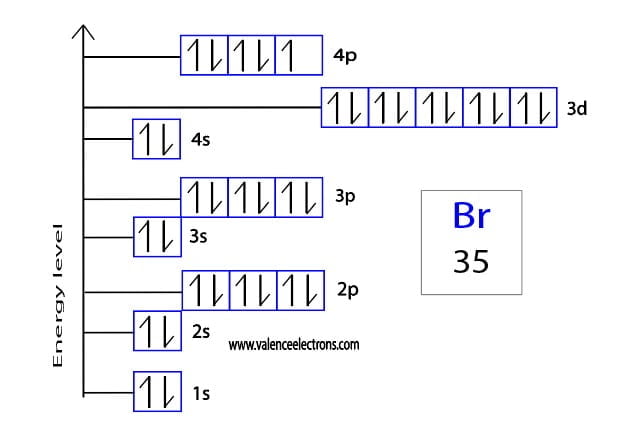
35. Orbital Diagram for Bromine (Br)
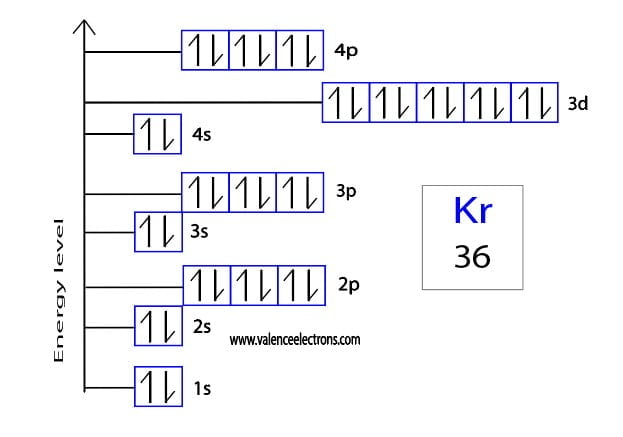
36. Orbital Diagram for Krypton (Kr)
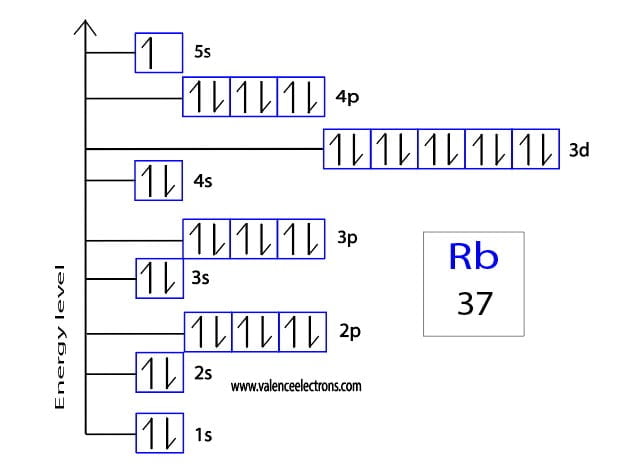
37. Orbital Diagram for Rubidium (Rb)
38. Orbital Diagram for Strontium (Sr)
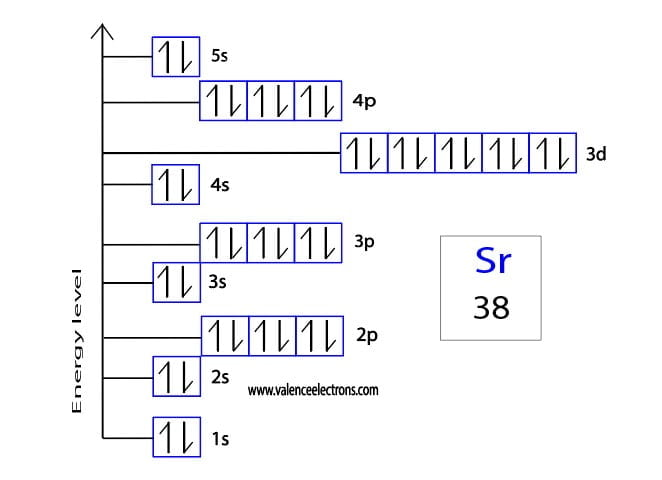
39. Orbital Diagram for Yttrium (Y)
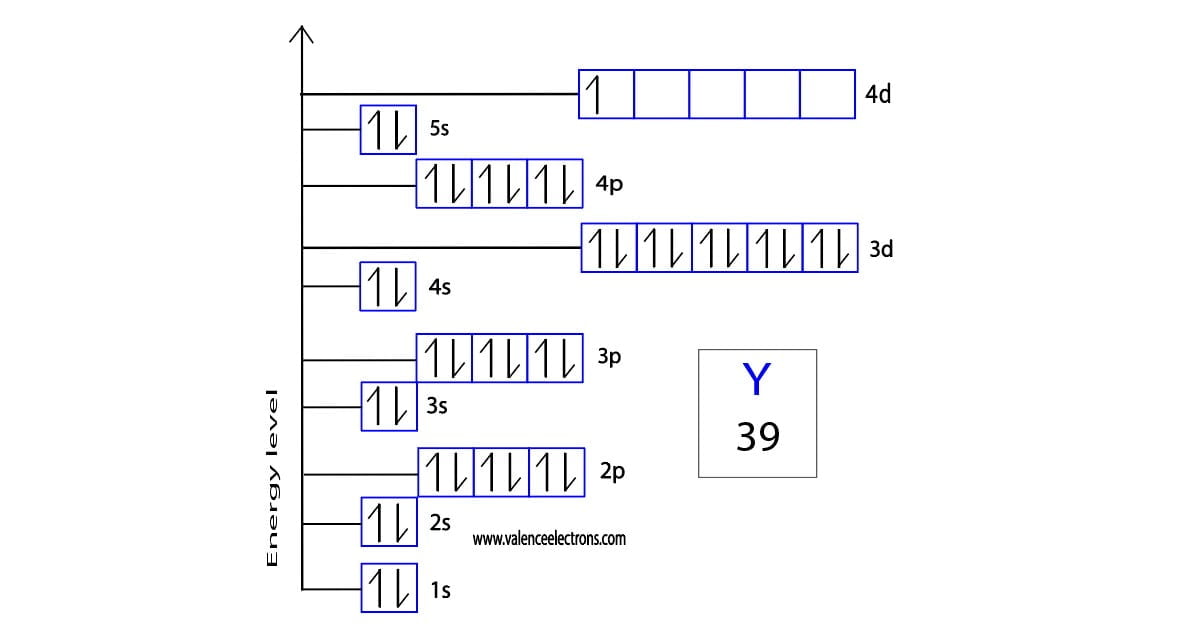
40. Orbital Diagram for Zirconium (Zr)
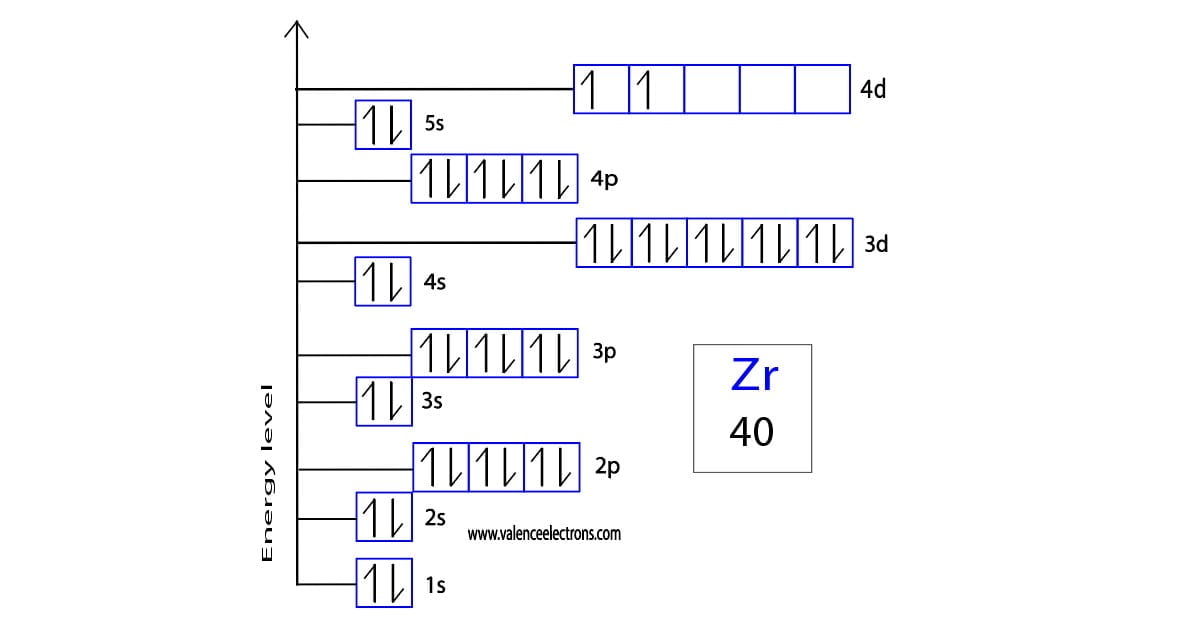
41. Orbital Diagram for Niobium (Nb)
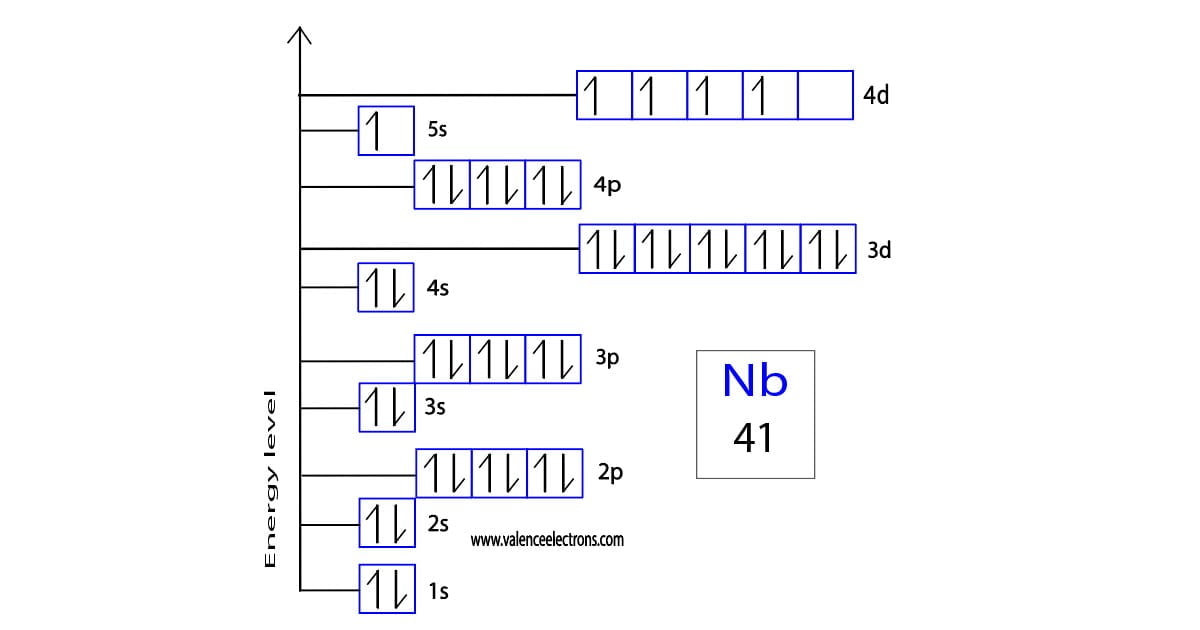
42. Orbital Diagram for Molybdenum (Mo)
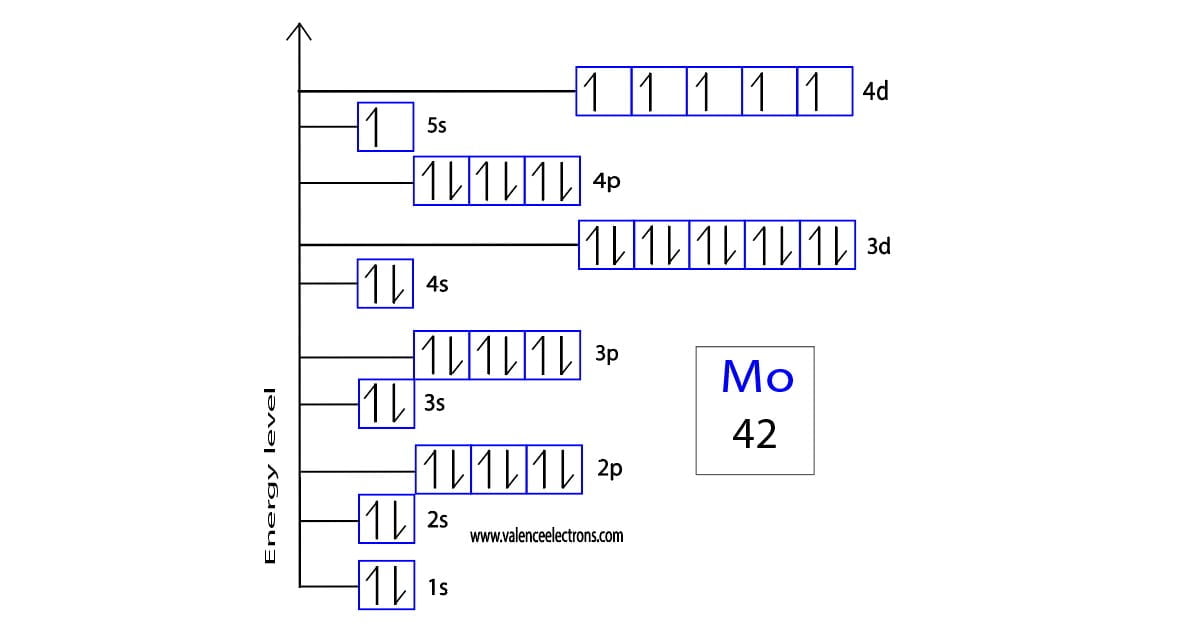
43. Orbital Diagram for Technetium (Tc)
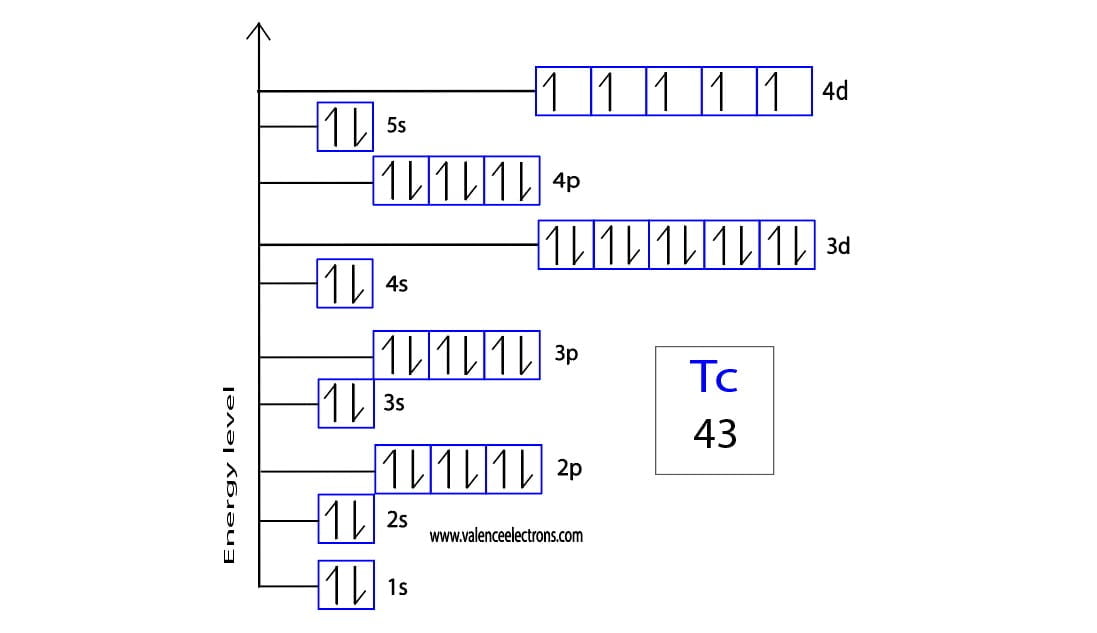
44. Orbital Diagram for Ruthenium (Ru)
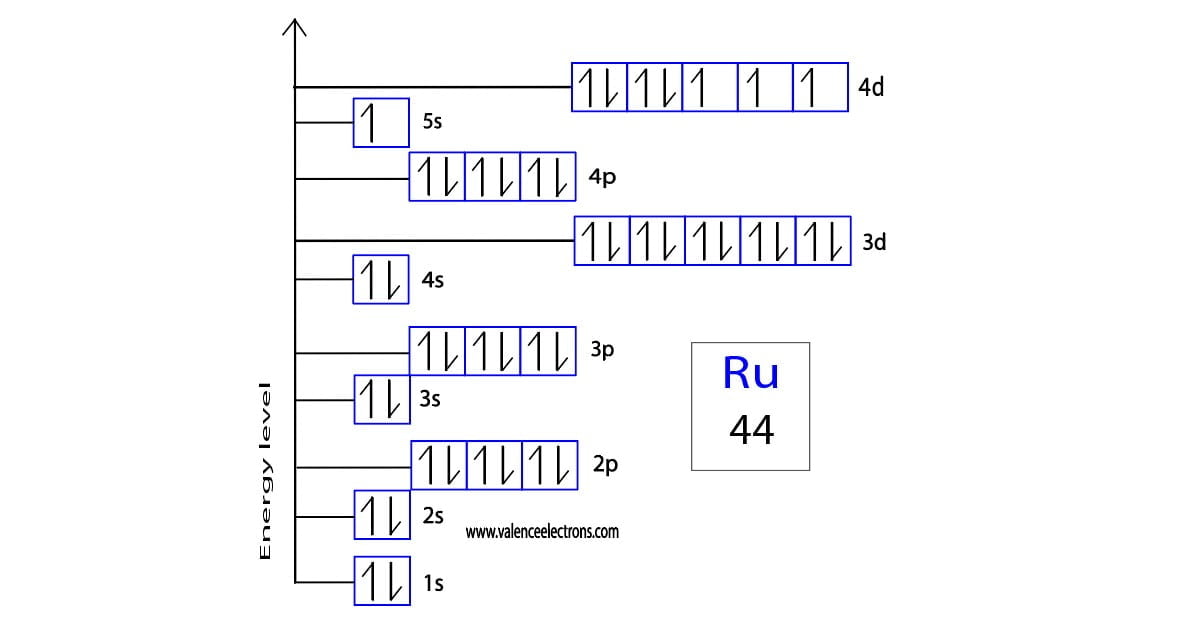
45. Orbital Diagram for Rhodium (Rh)
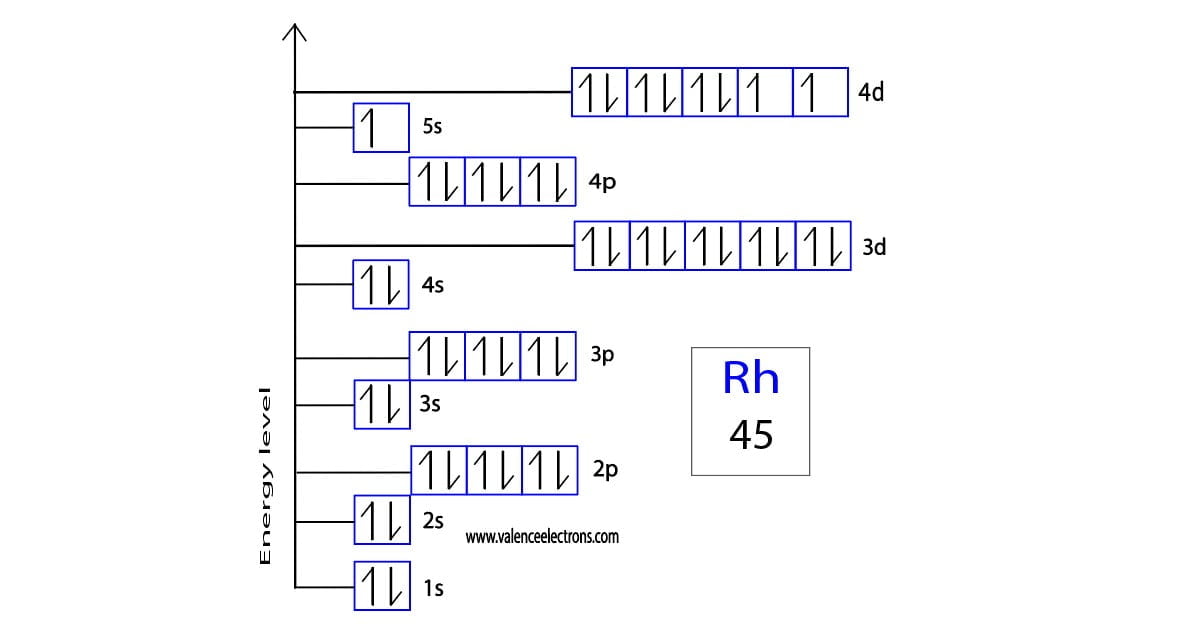
46. Orbital Diagram for Palladium (Pd)
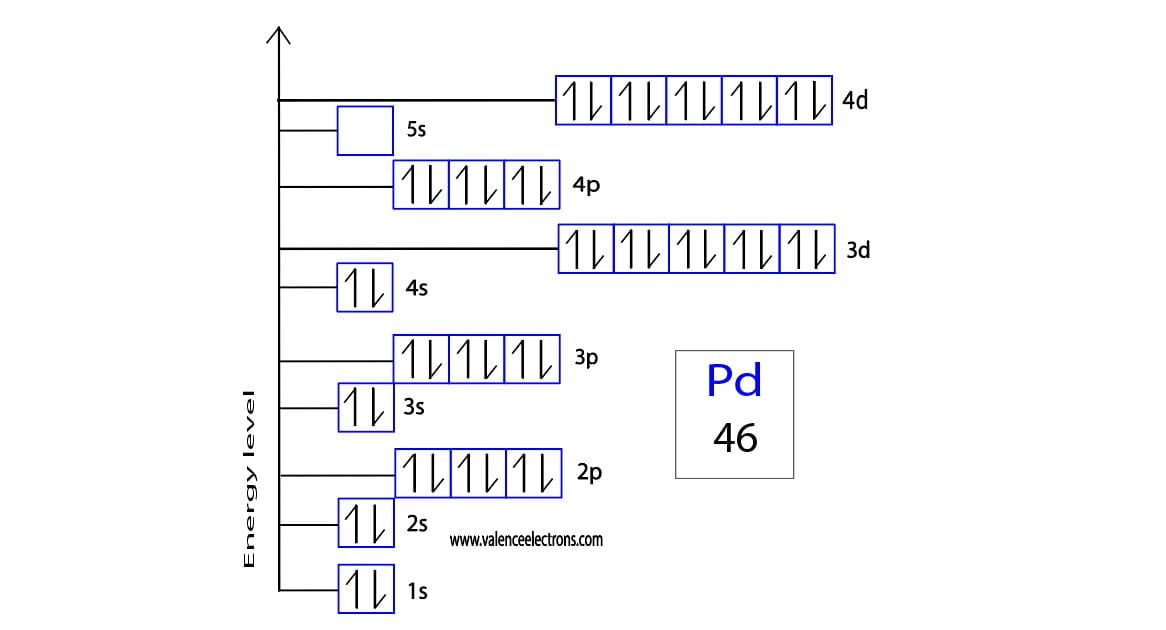
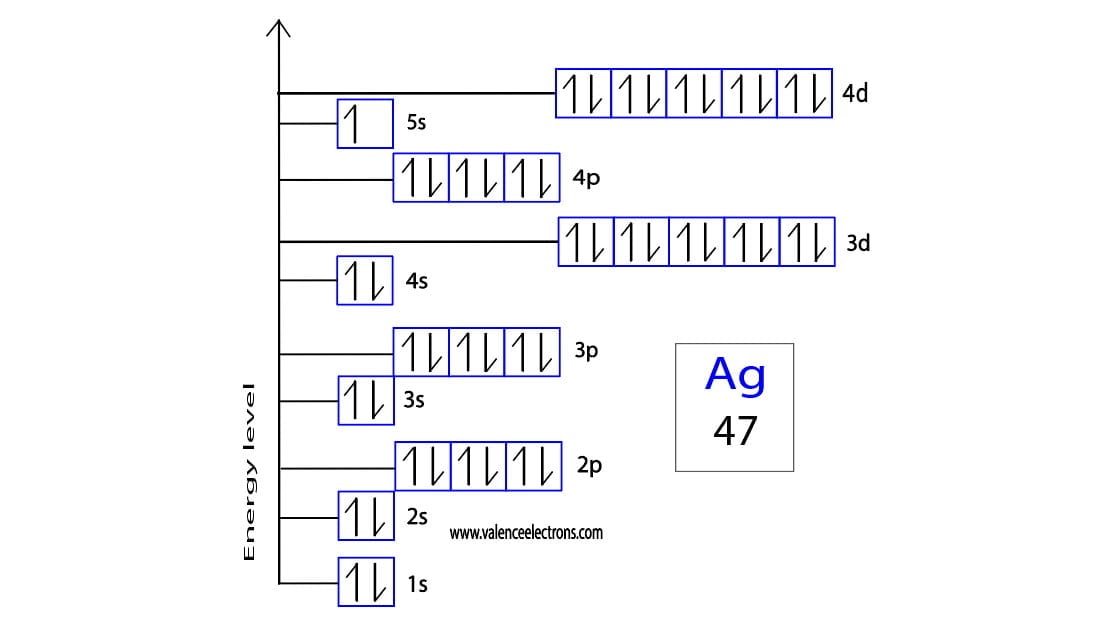
47. Orbital Diagram for Silver (Ag)
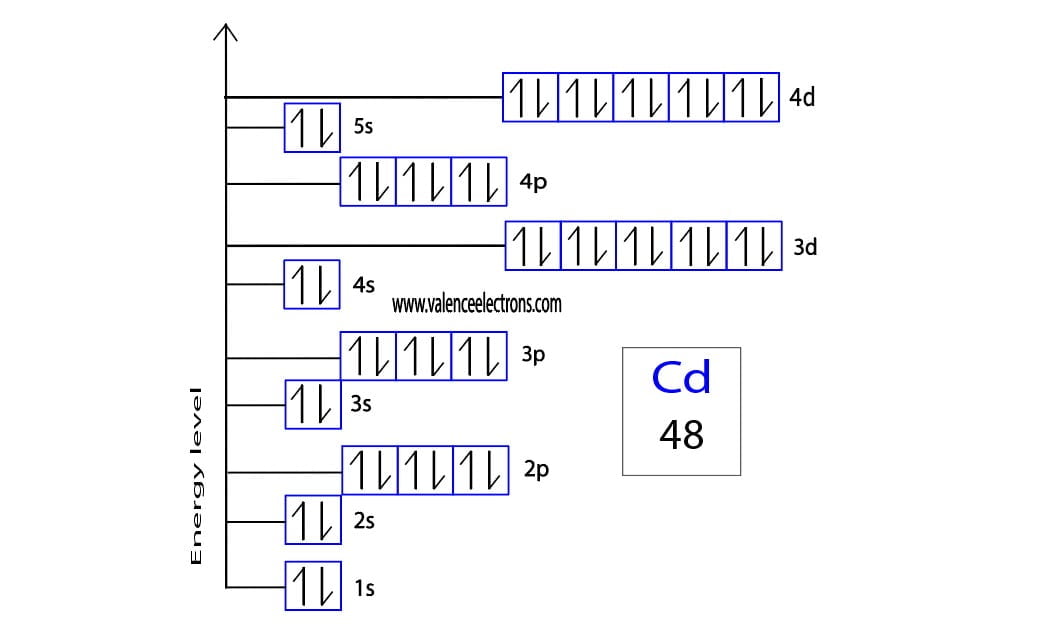
48. Orbital Diagram for Cadmium (Cd)
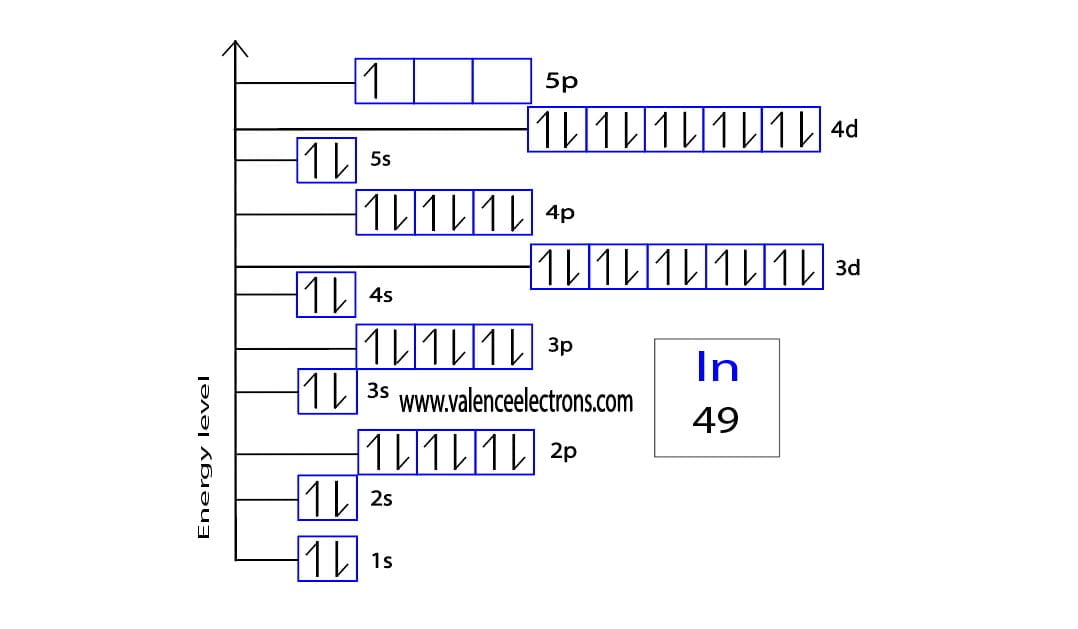
49. Orbital Diagram for Indium (In)
50. Orbital Diagram for Tin (Sn)
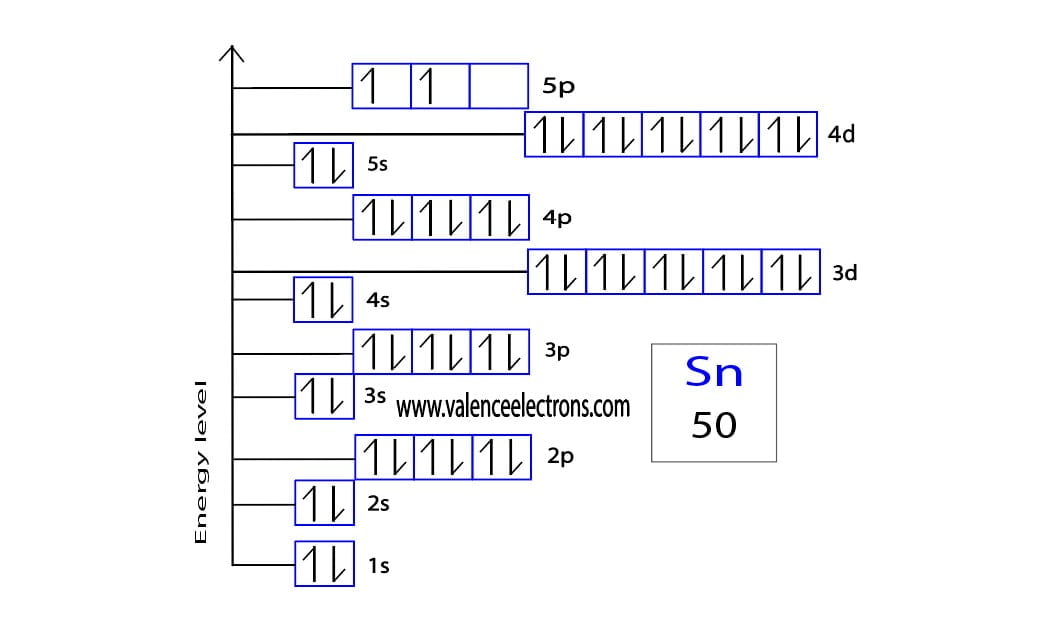
51. Orbital Diagram for Antimony (Sb)
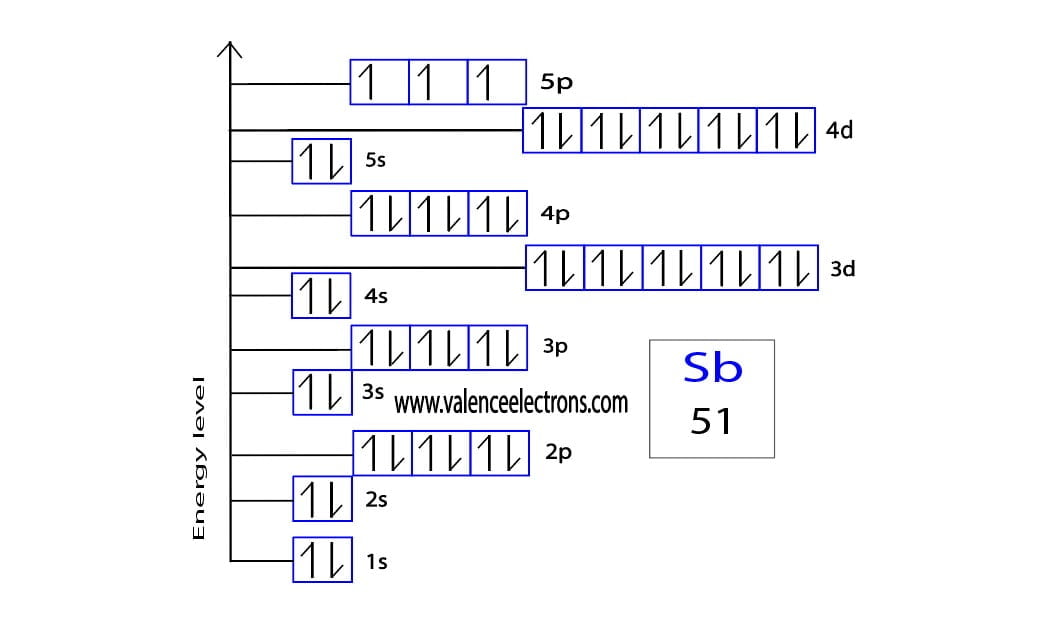
52. Orbital Diagram for Tellurium (Te)
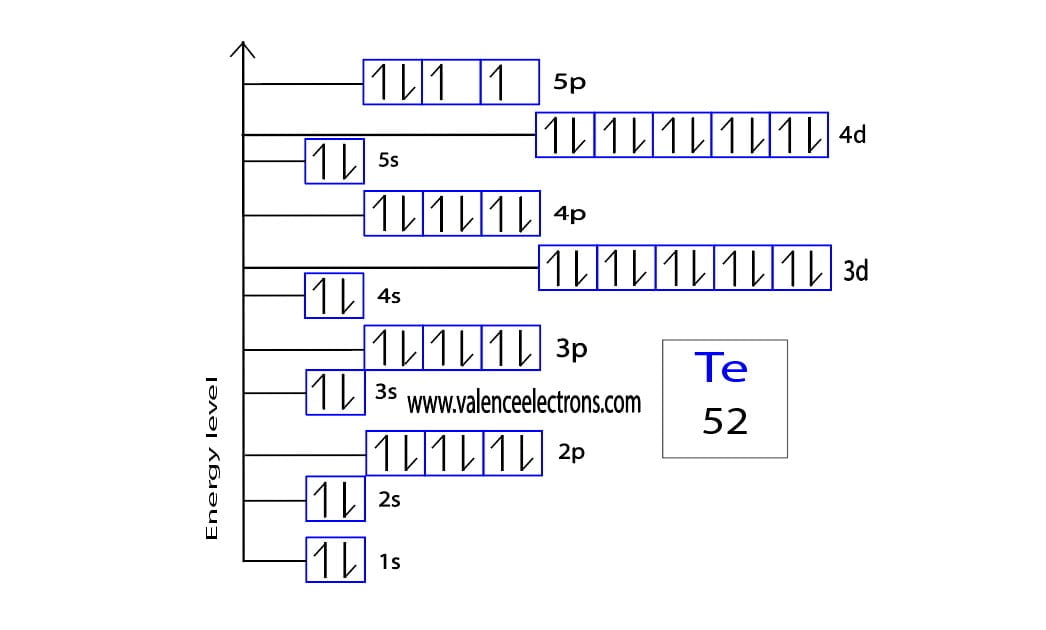
53. Orbital Diagram for Iodine (I)
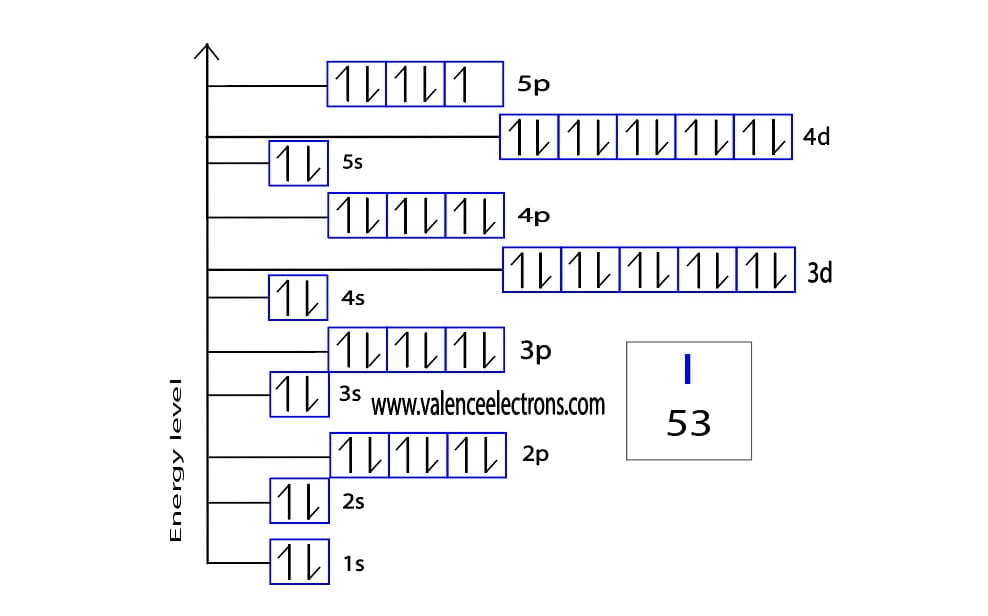
54. Orbital Diagram for Xenon (Xe)
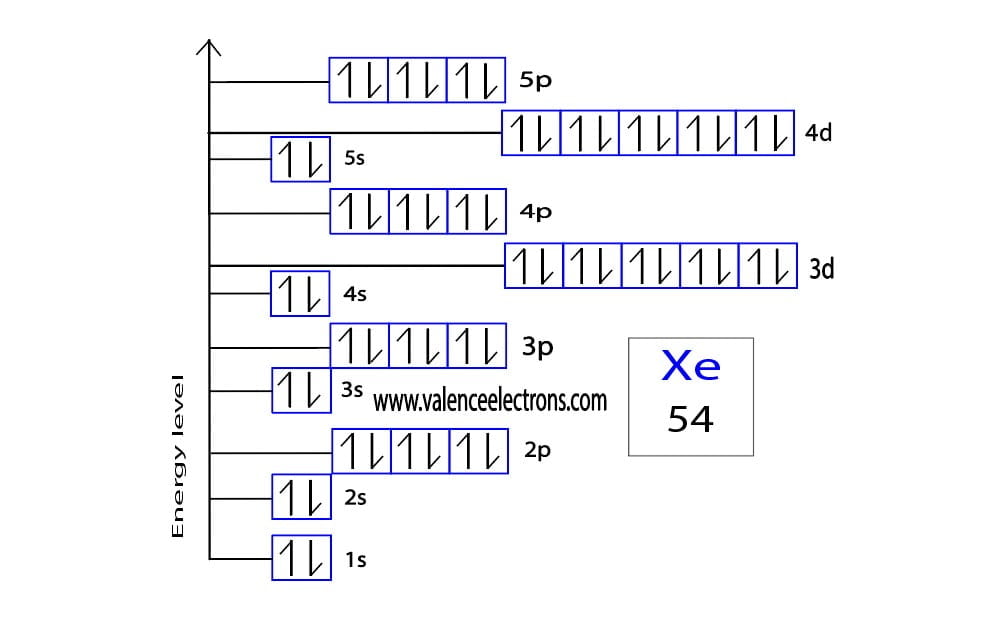
55. Orbital Diagram for Cesium (Cs)
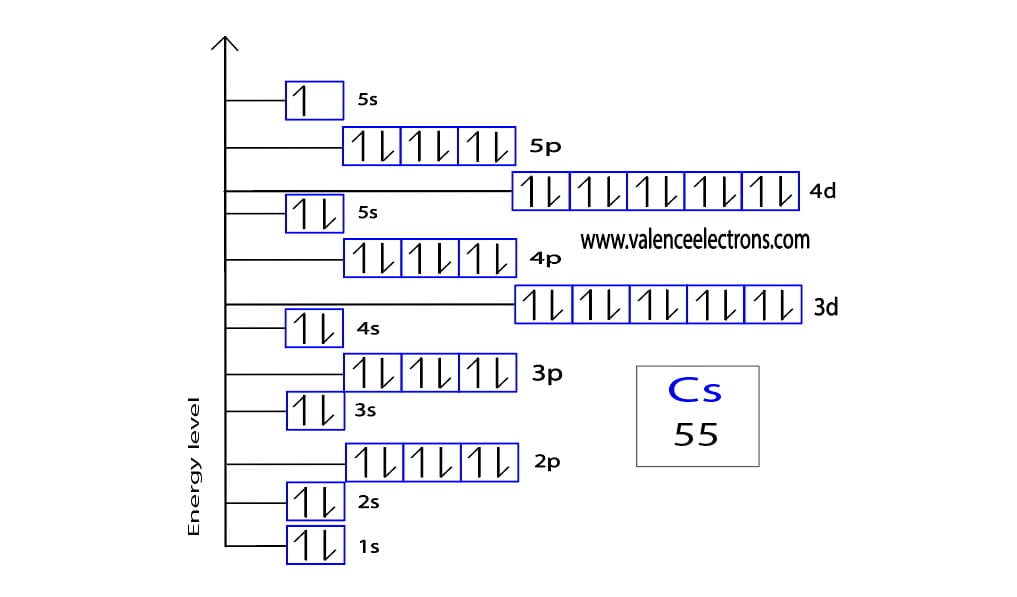
56. Orbital Diagram for Barium (Ba)
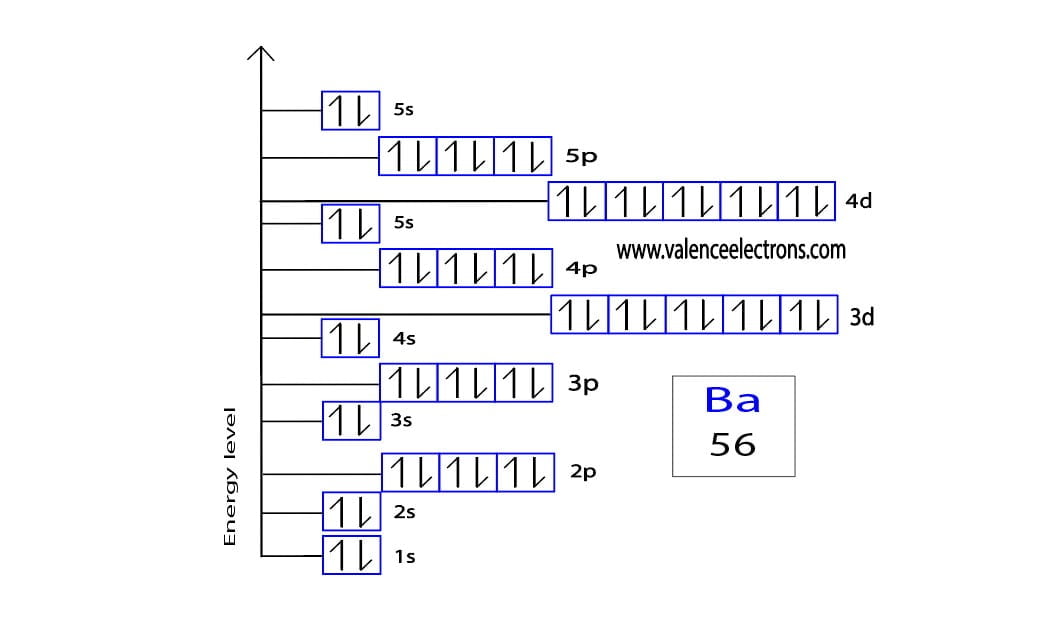
57. Orbital Diagram for Lanthanum (La)
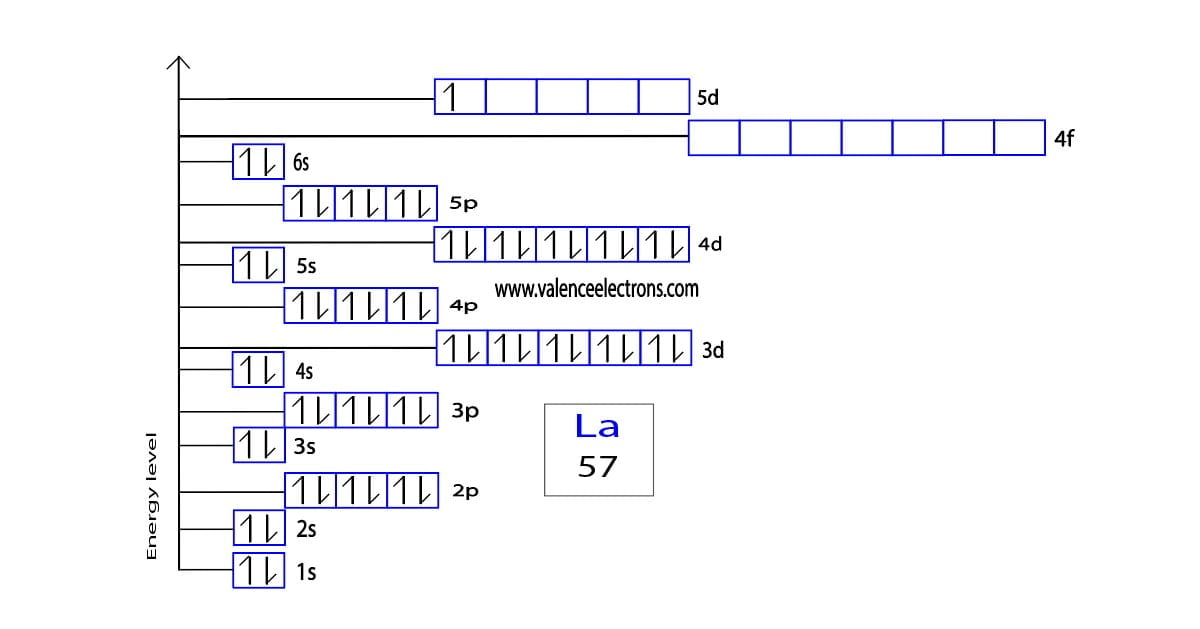
58. Orbital Diagram for Cerium (Ce)
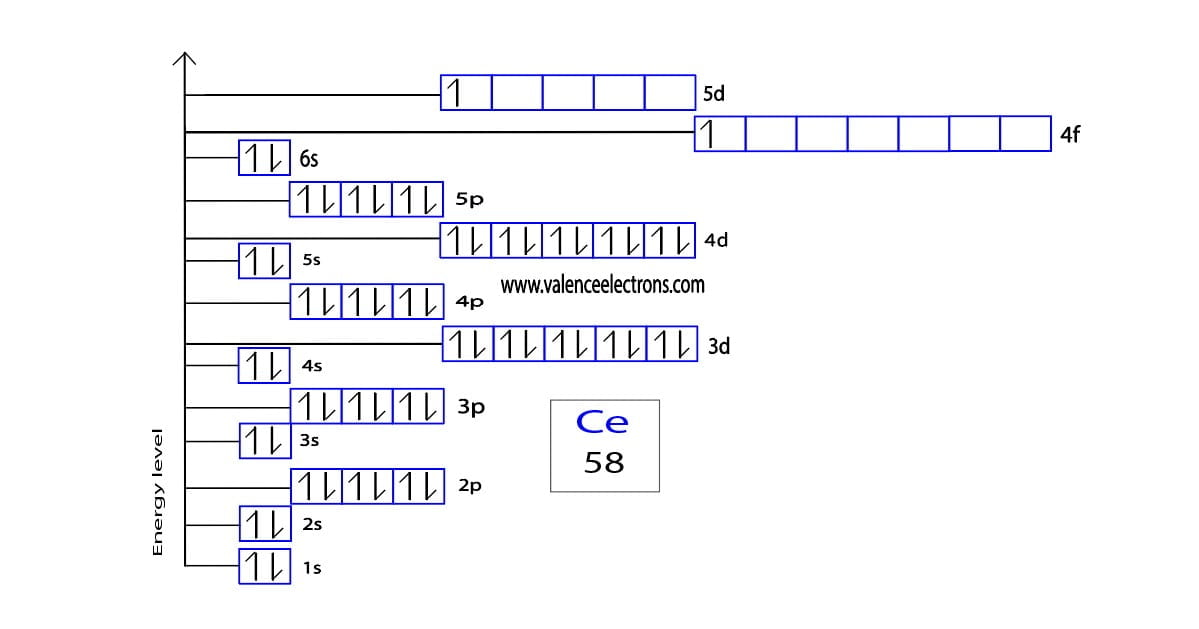
59. Orbital Diagram for Praseodymium (Pr)
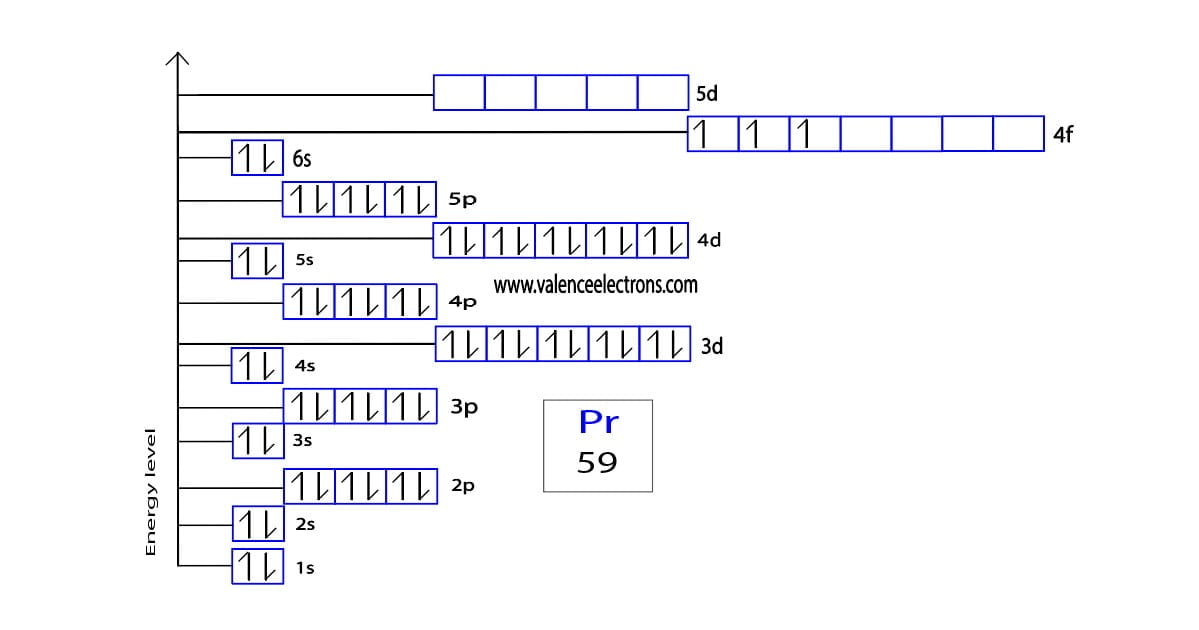
60. Orbital Diagram for neodymium (Nd)
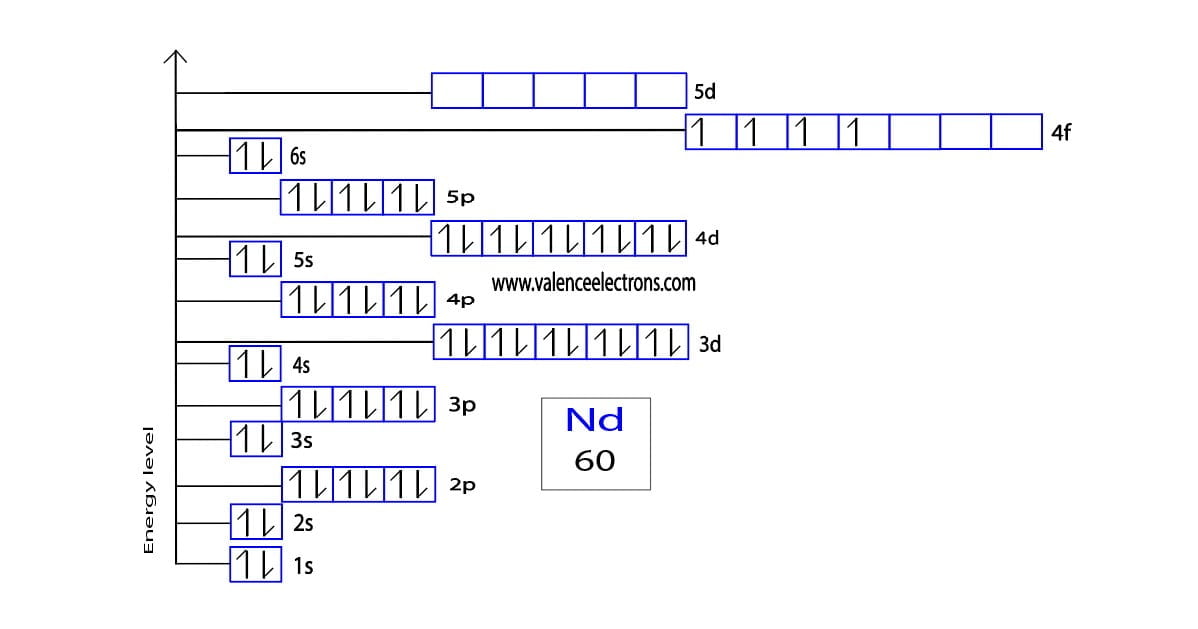
61. Orbital Diagram for Promethium(Pm)
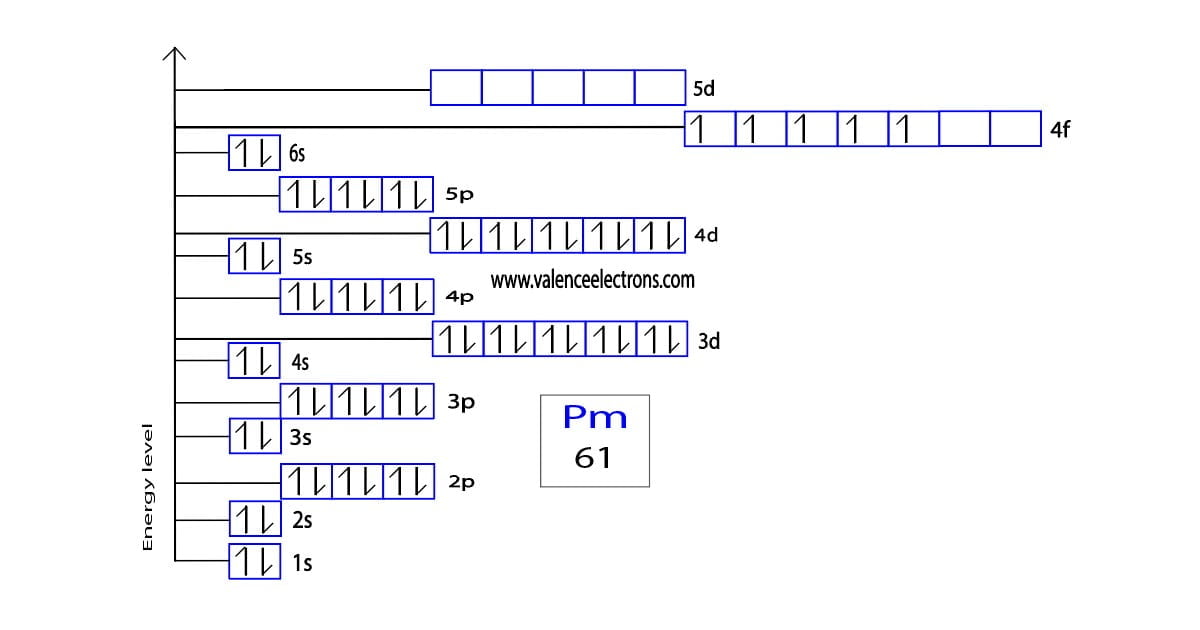
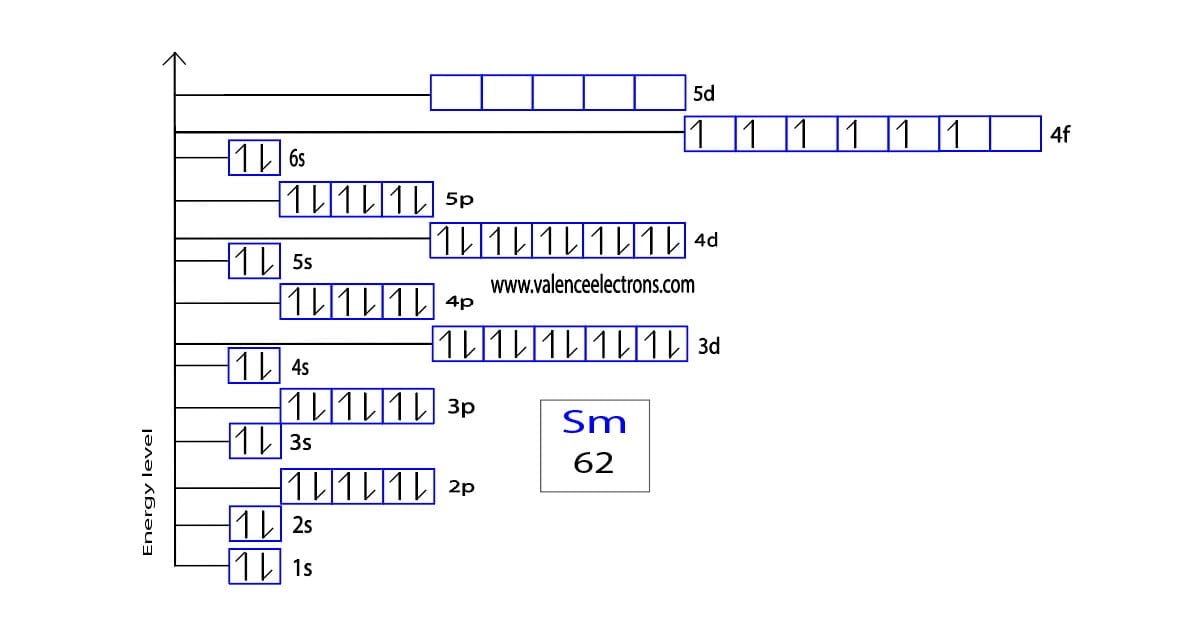
62. Orbital Diagram for Samarium (Sm)
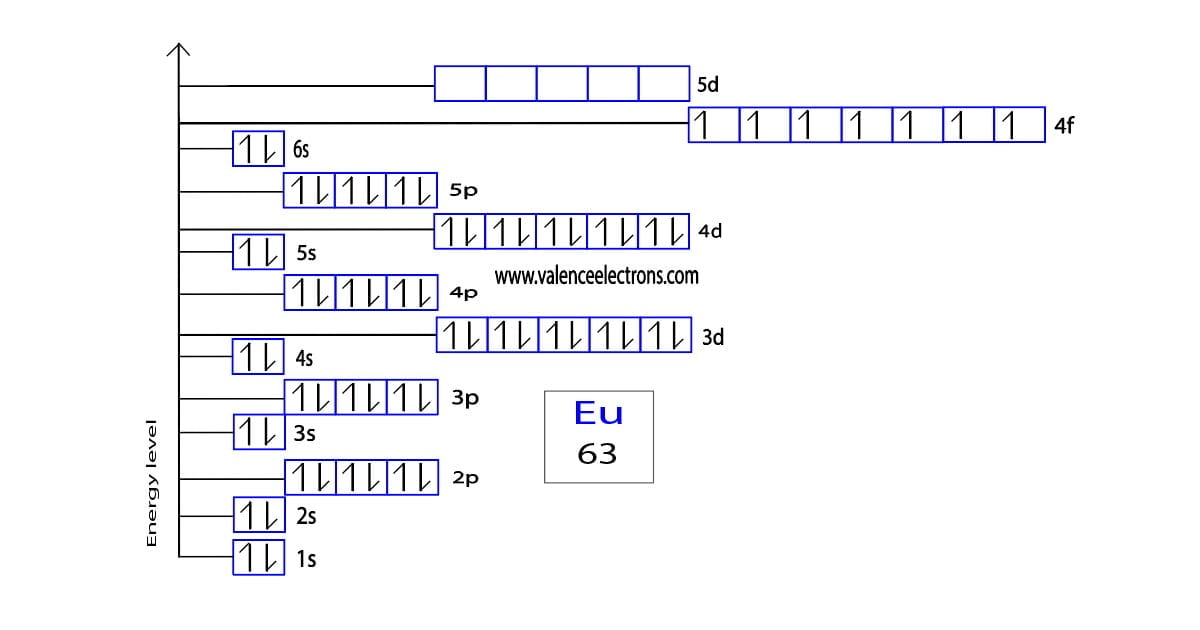
63. Orbital Diagram for Europium (Eu)
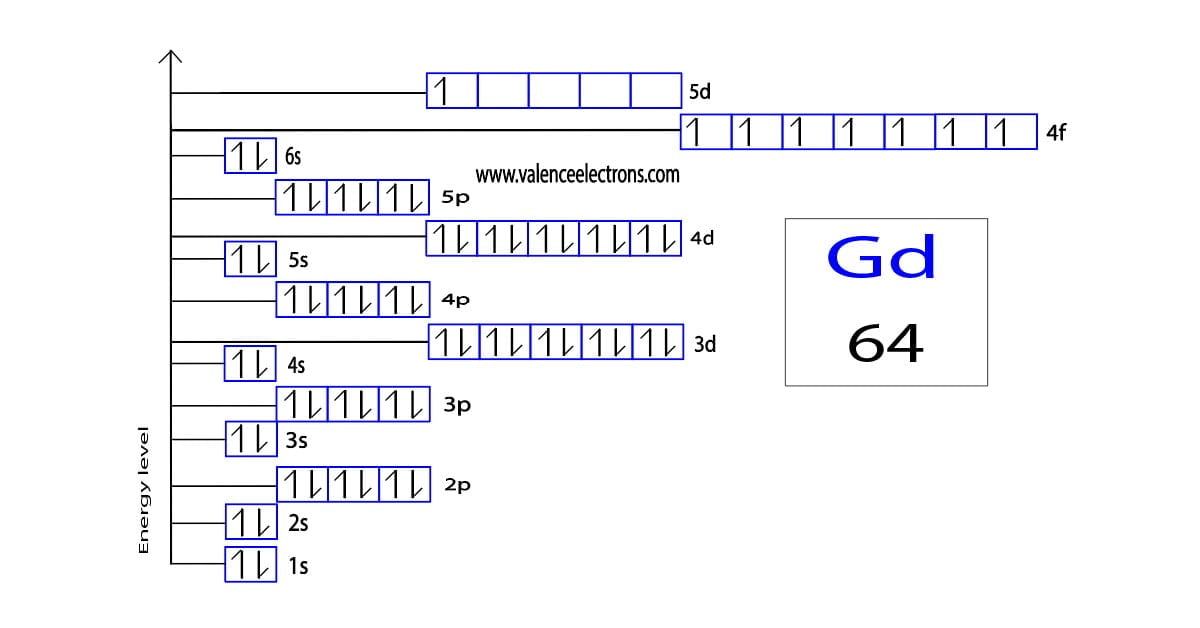
64. Orbital Diagram for Gadolinium (Gd)
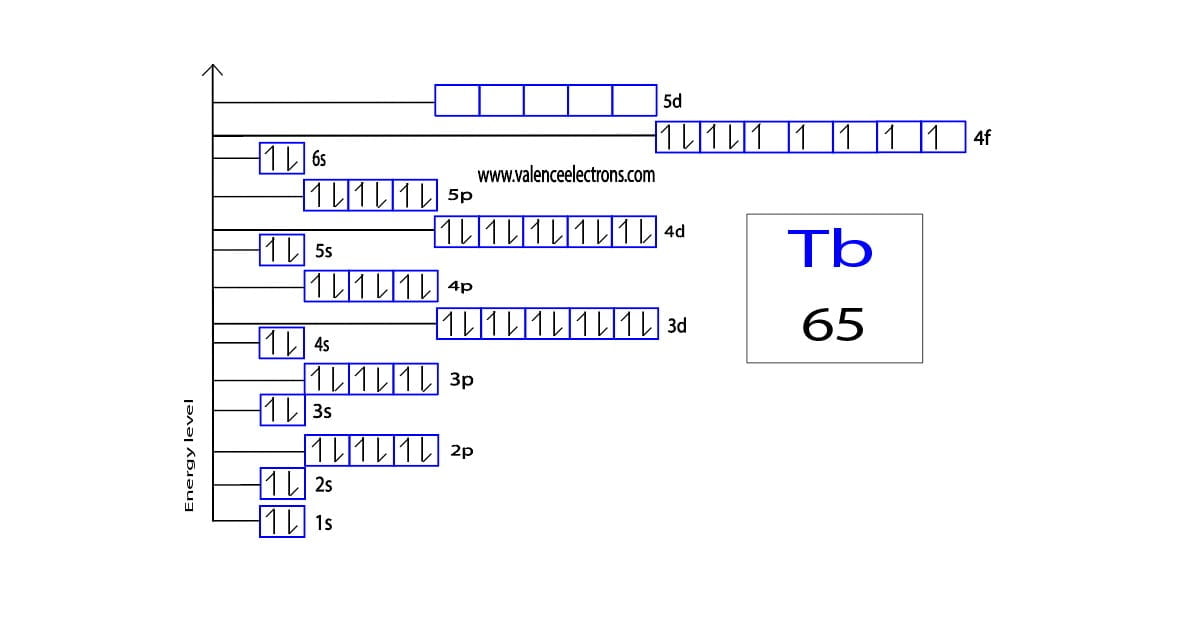
65. Orbital Diagram for Terbium (Tb)
66. Orbital Diagram for Dysprosium (Dy)
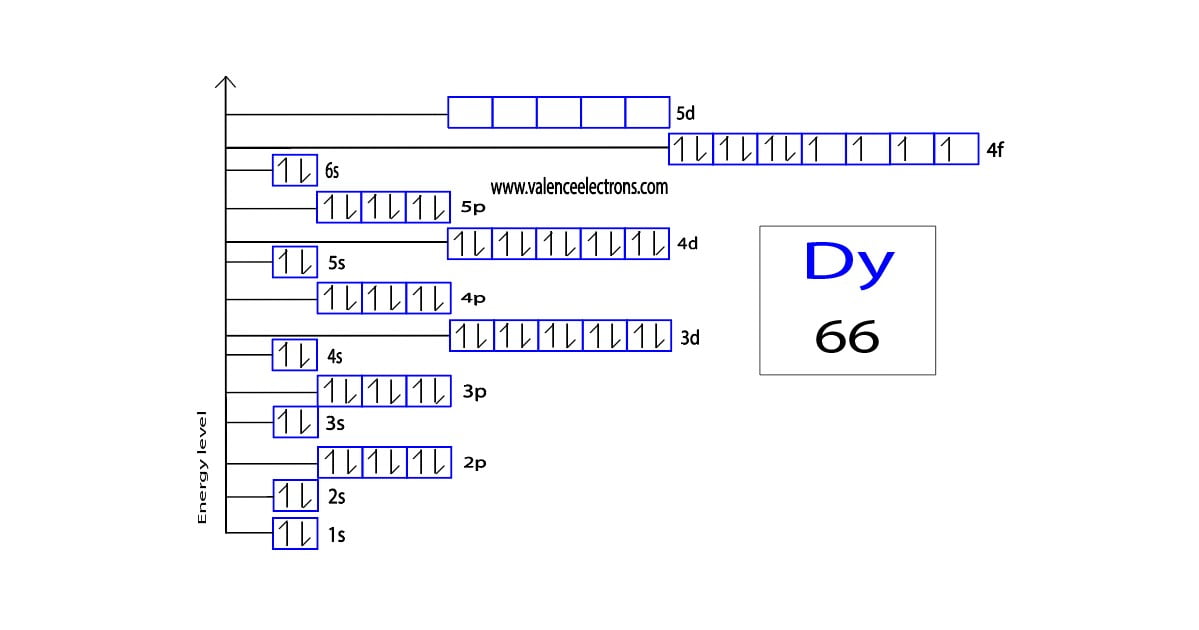
67. Orbital Diagram for Holmium (Ho)
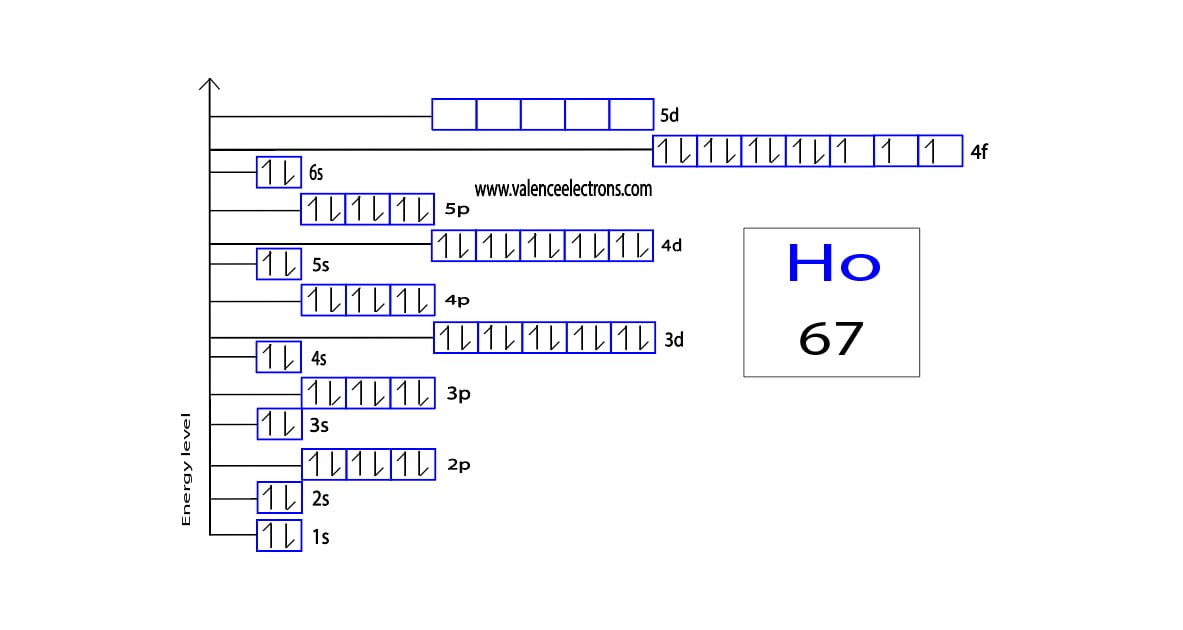
68. Orbital Diagram for Erbium (Er)
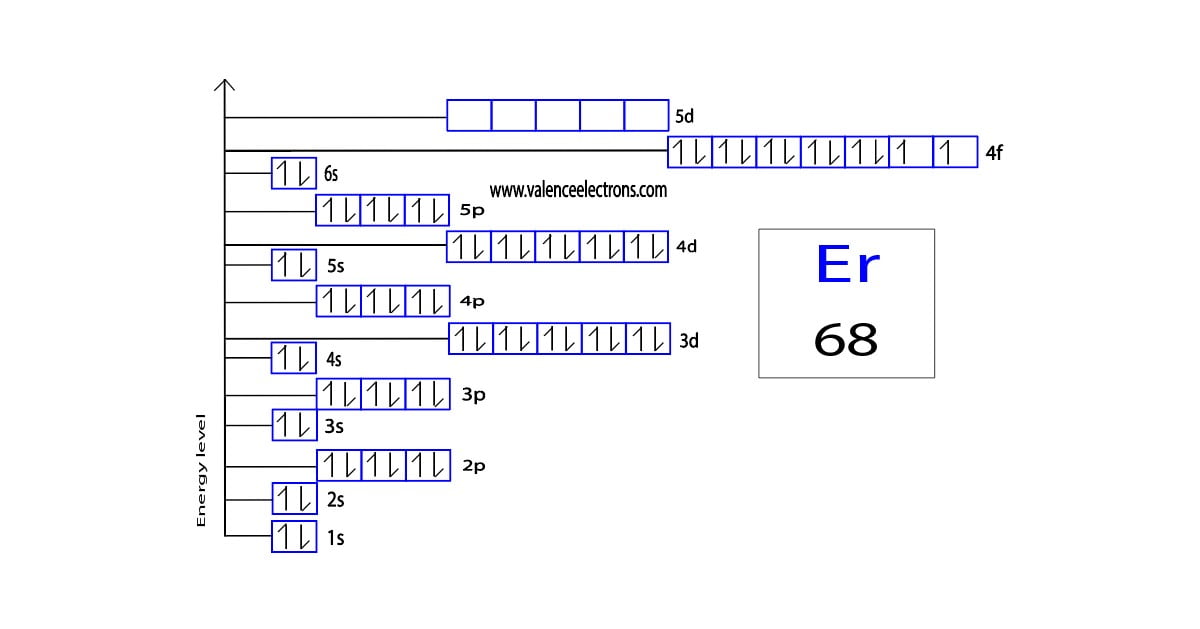
69. Orbital Diagram for Thulium (Tm)
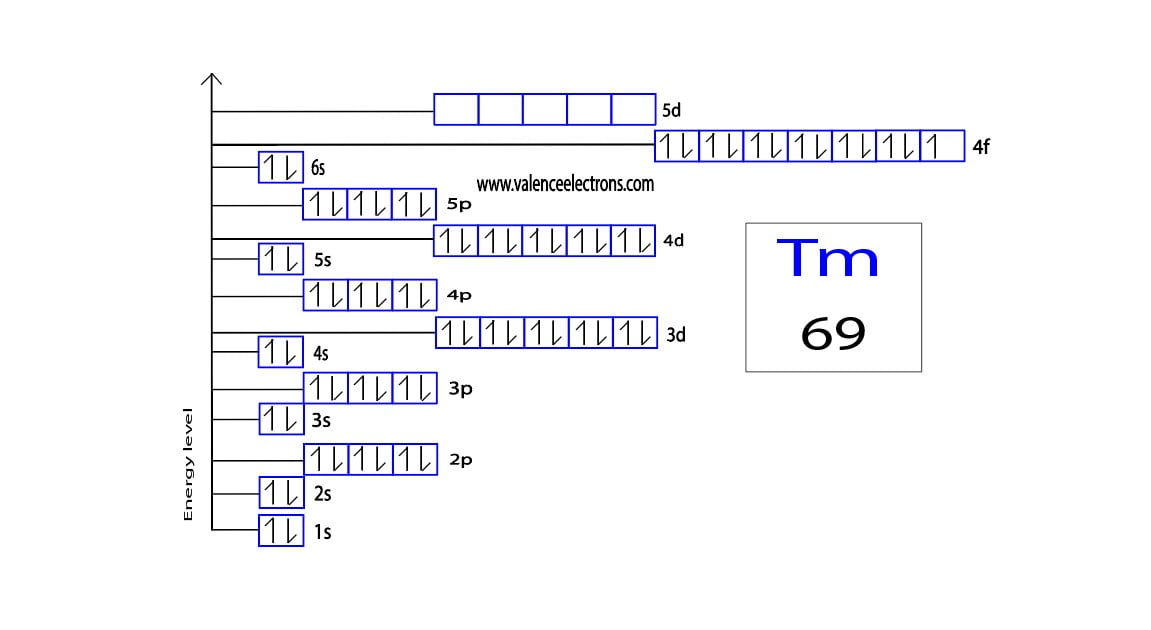
70. Orbital Diagram for Ytterbium (Yb)
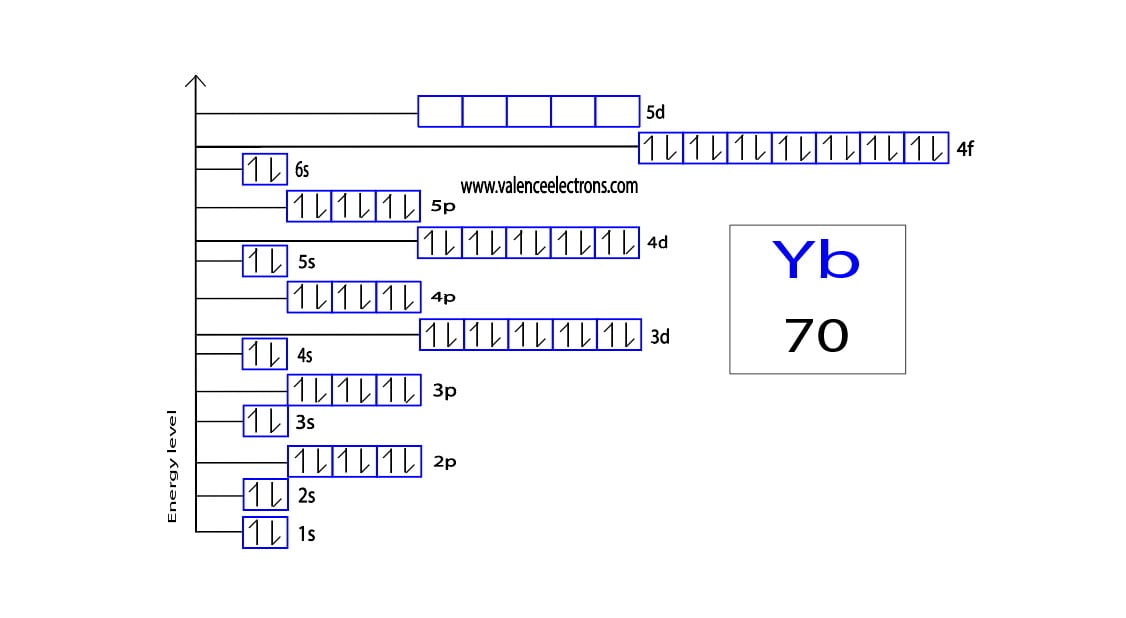
71. Orbital Diagram for Lutetium (Lu)
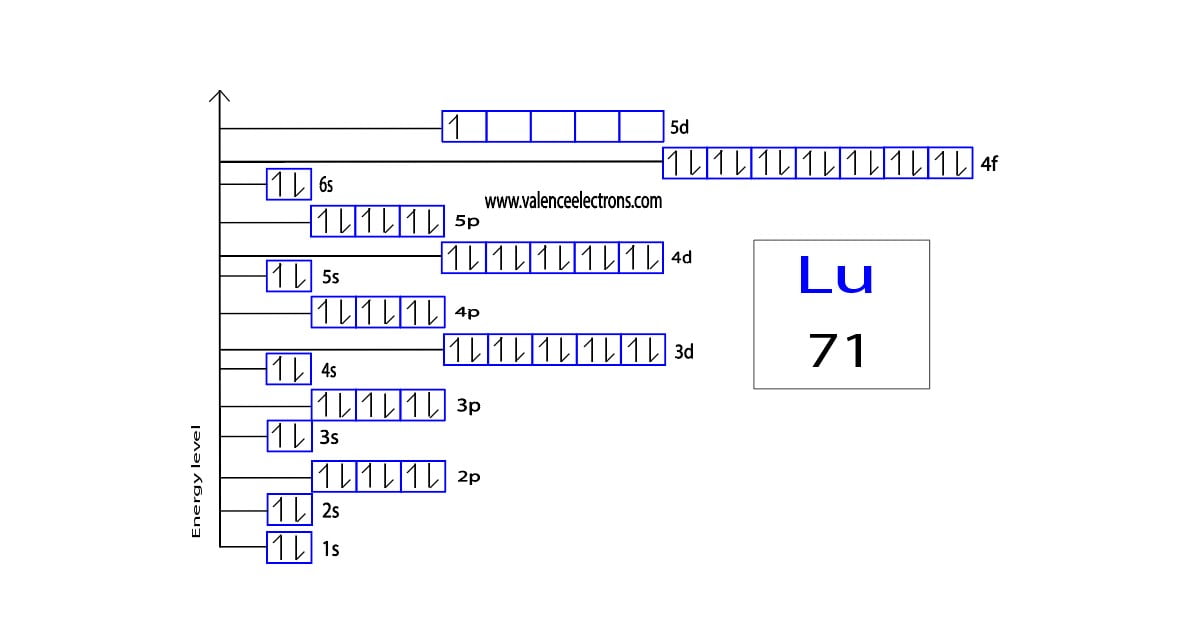
72. Orbital Diagram for Hafnium (Hf)
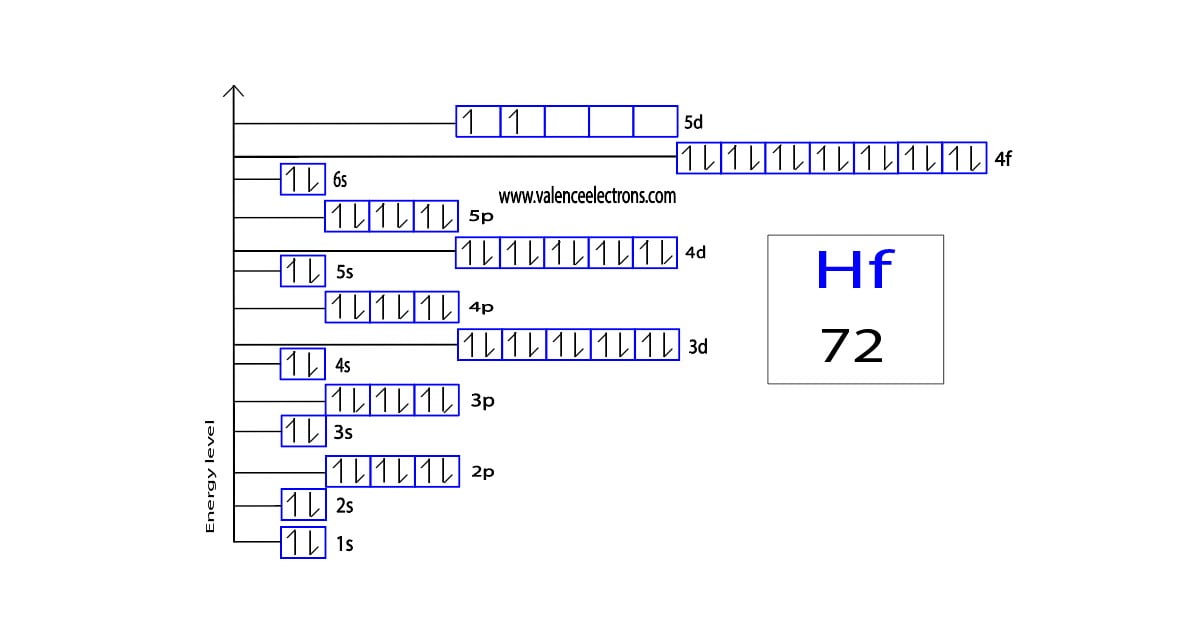
73. Orbital Diagram for Tantalum (Ta)
74. Orbital Diagram for Tungsten (W)
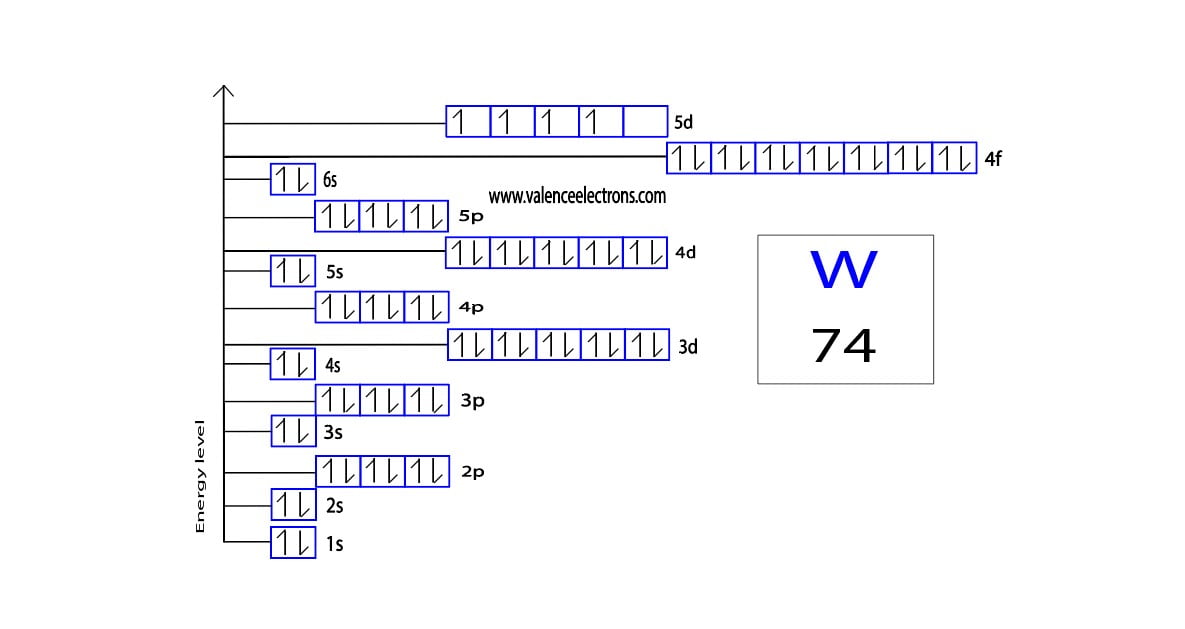
75. Orbital Diagram for Rhenium (Re)
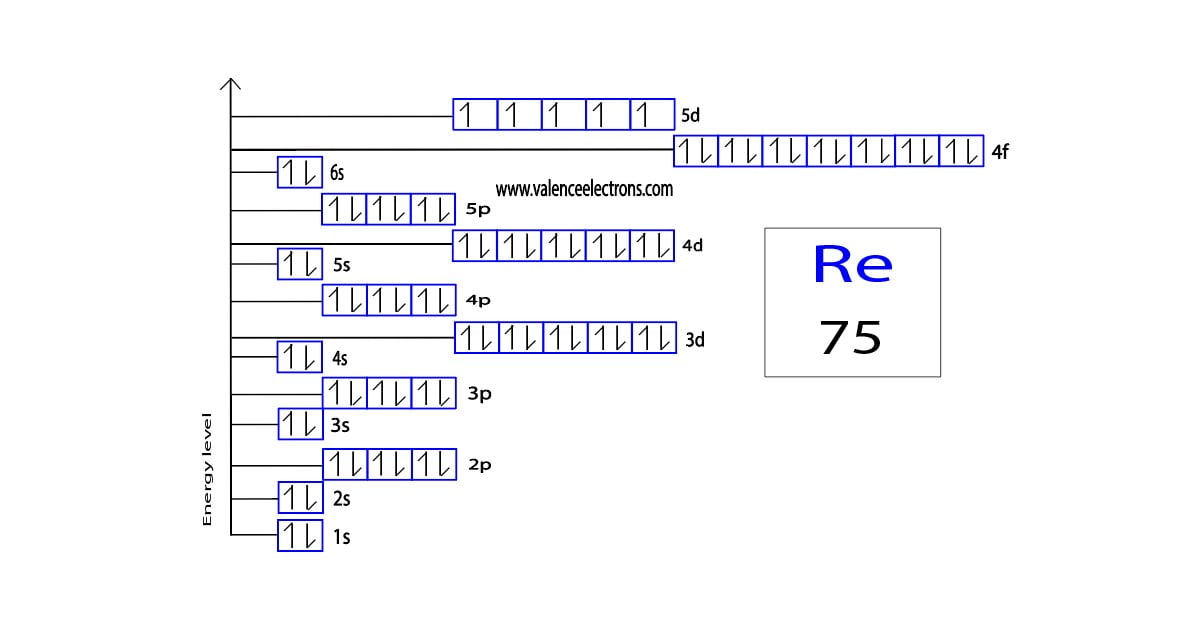
76. Orbital Diagram for Osmium (Os)
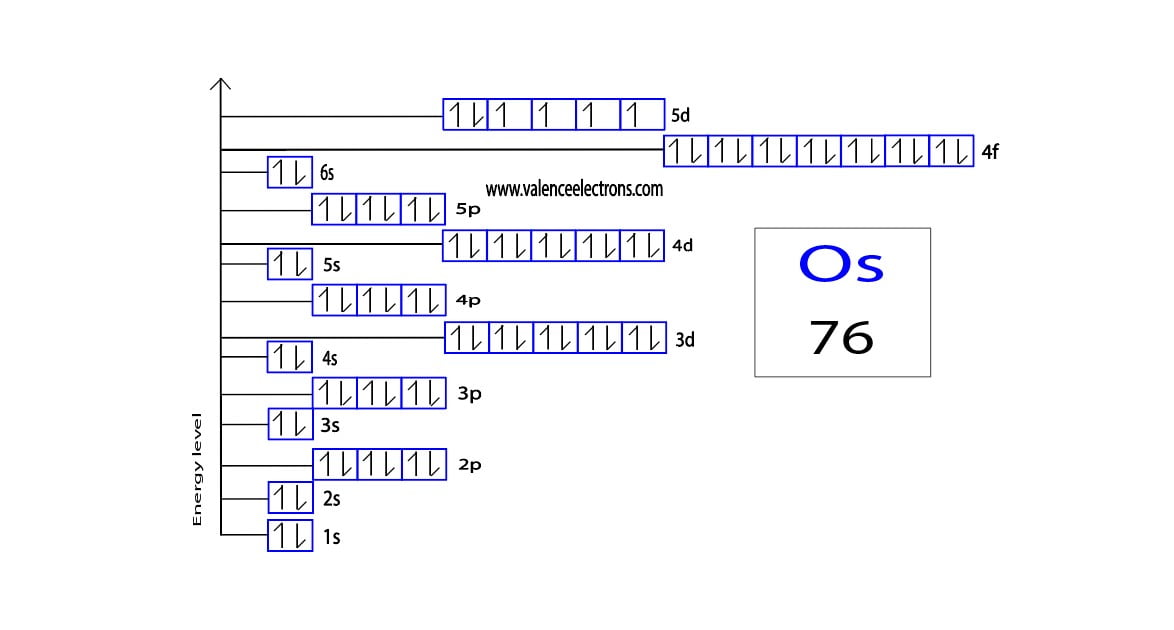
77. Orbital Diagram for Iridium (Ir)
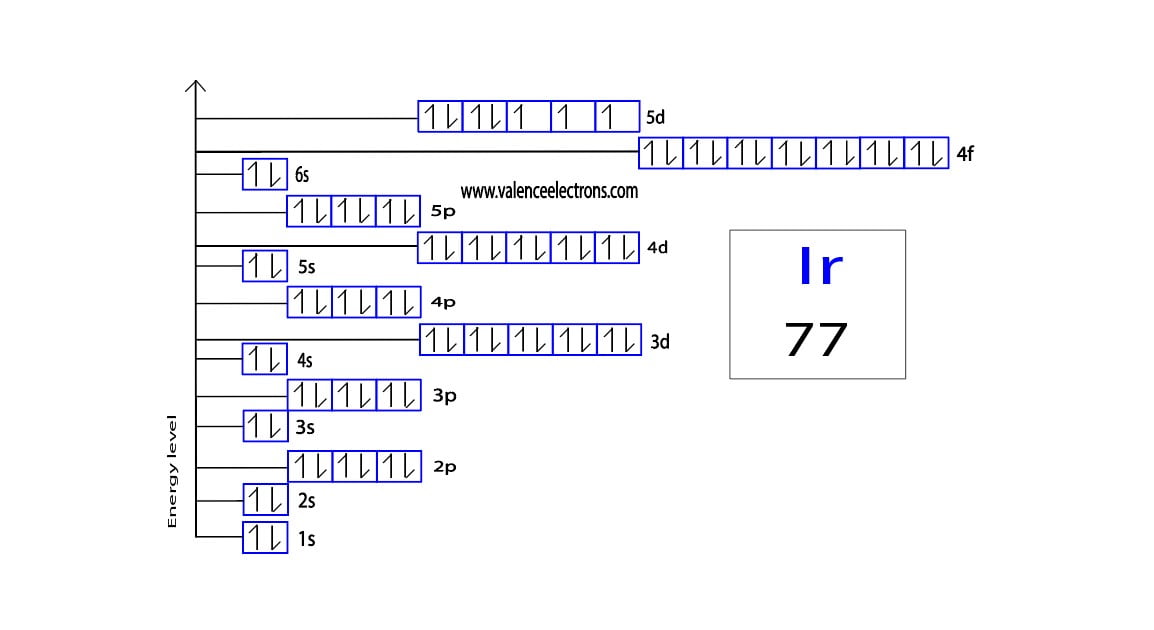
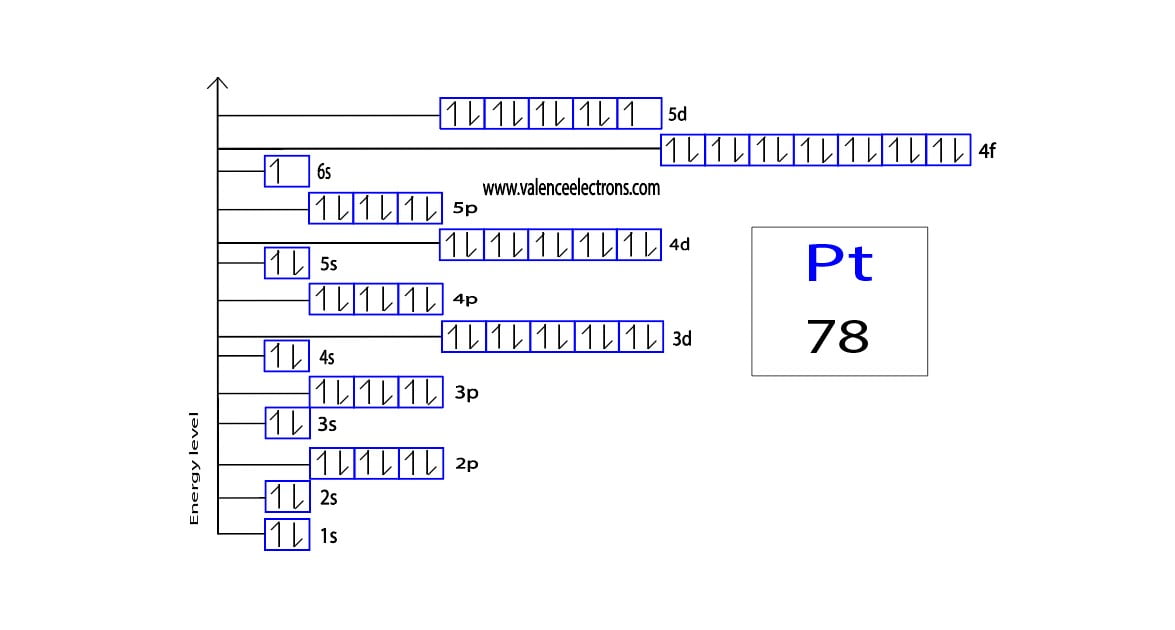
78. Orbital Diagram for Platinum (Pt)
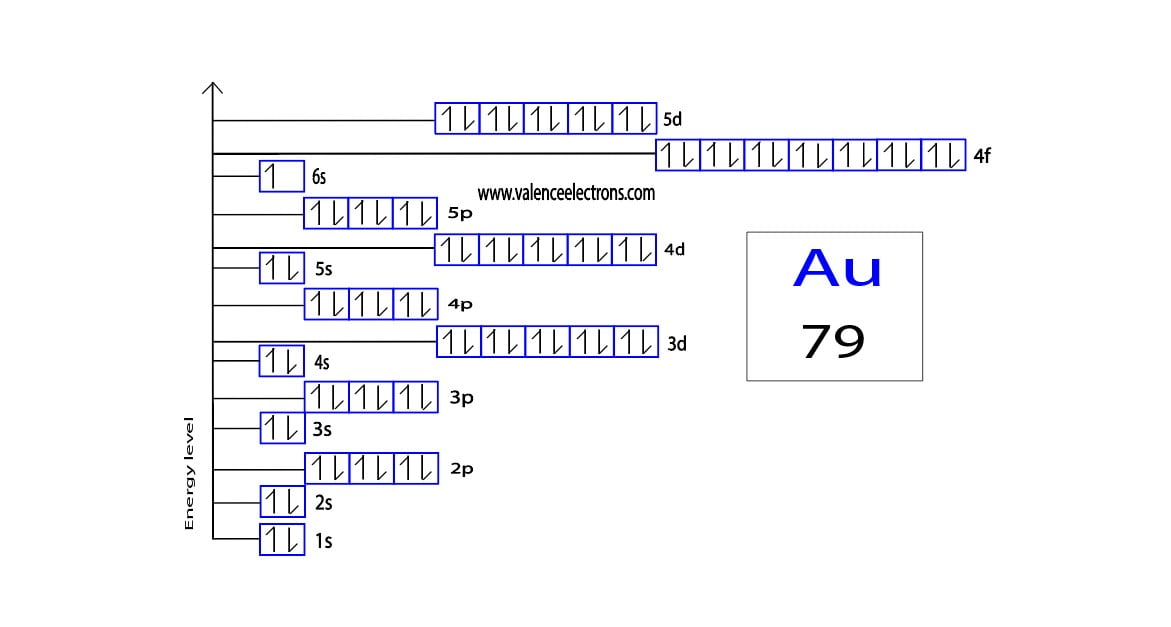
79. Orbital Diagram for Gold (Au)
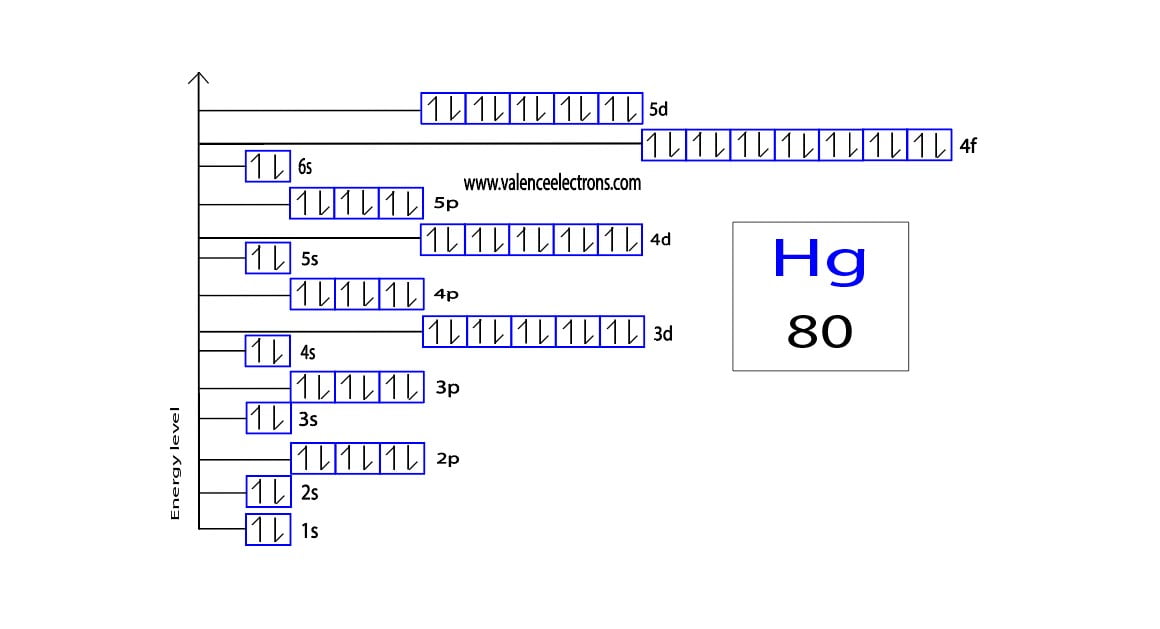
80. Orbital Diagram for Mercury (Hg)
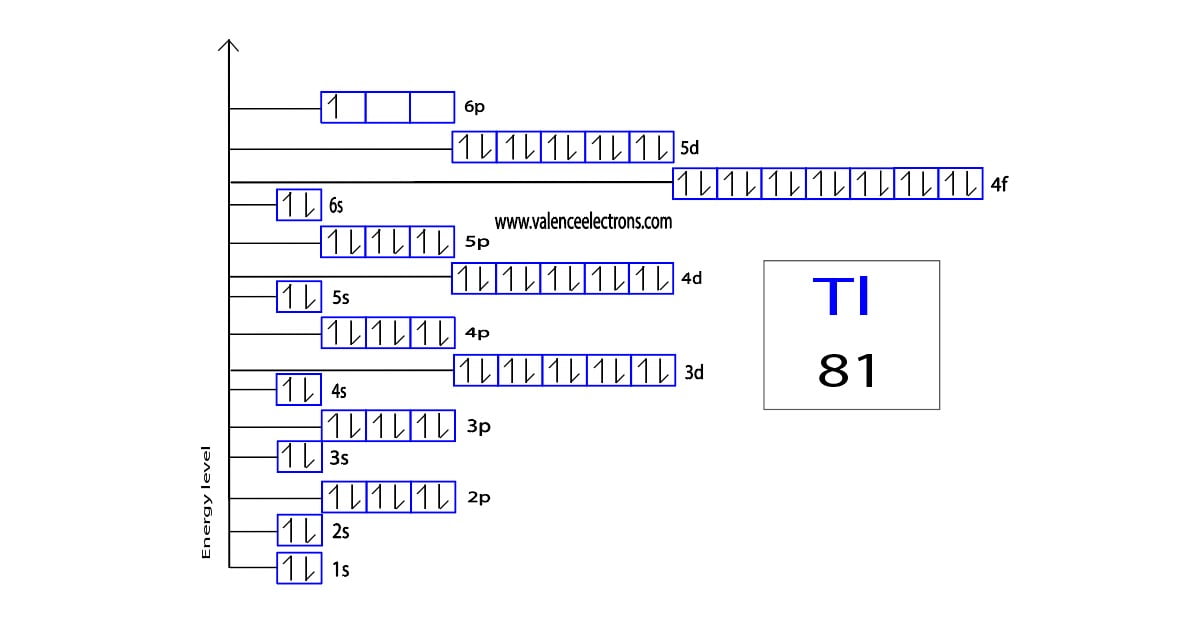
81. Orbital Diagram for Thallium (Tl)
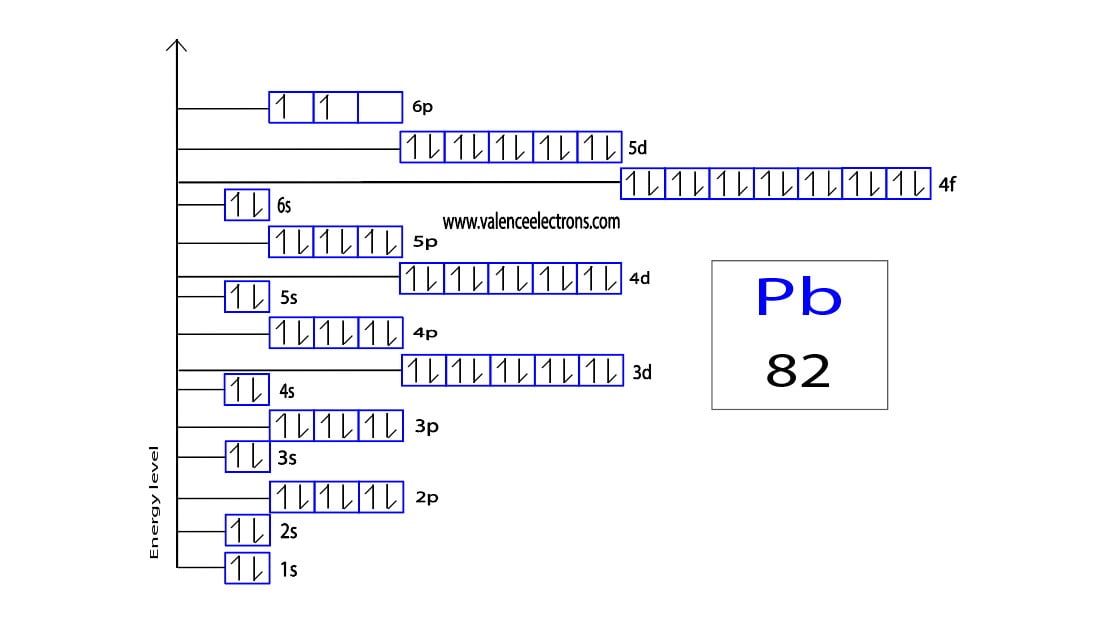
82. Orbital Diagram for Lead (Pb)
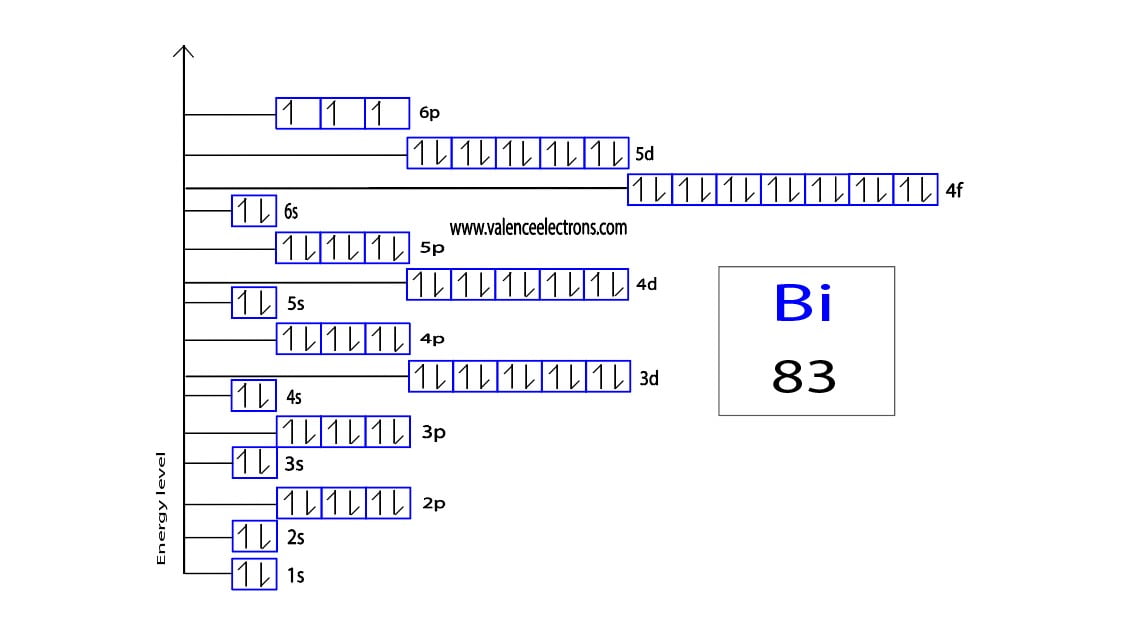
83. Orbital Diagram for Bismuth (Bi)
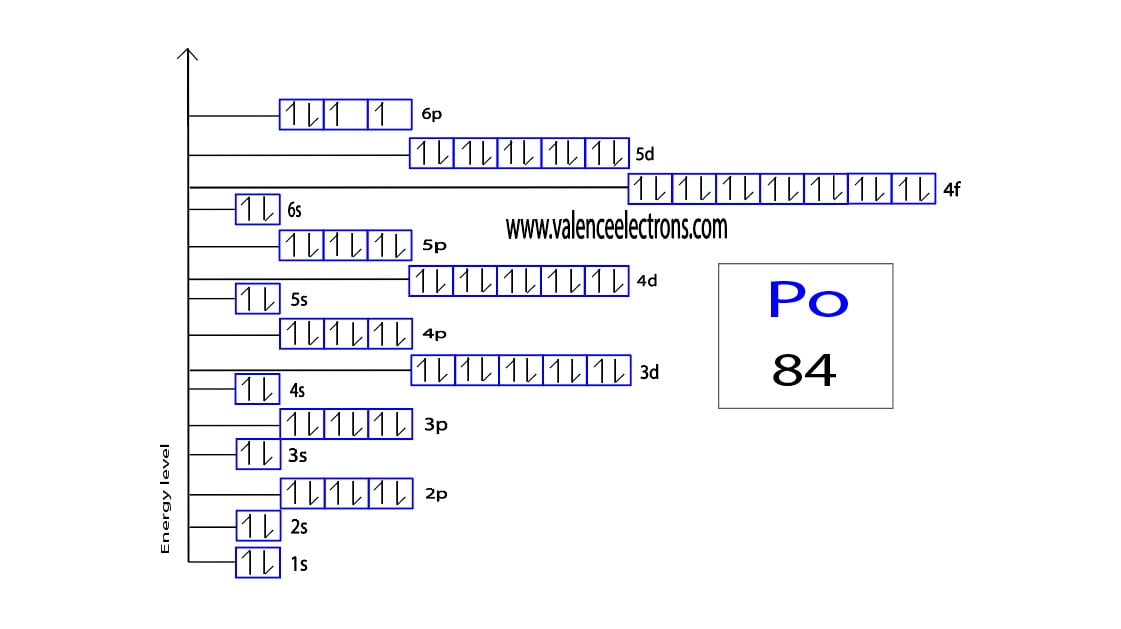
84. Orbital Diagram for Polonium (Po)
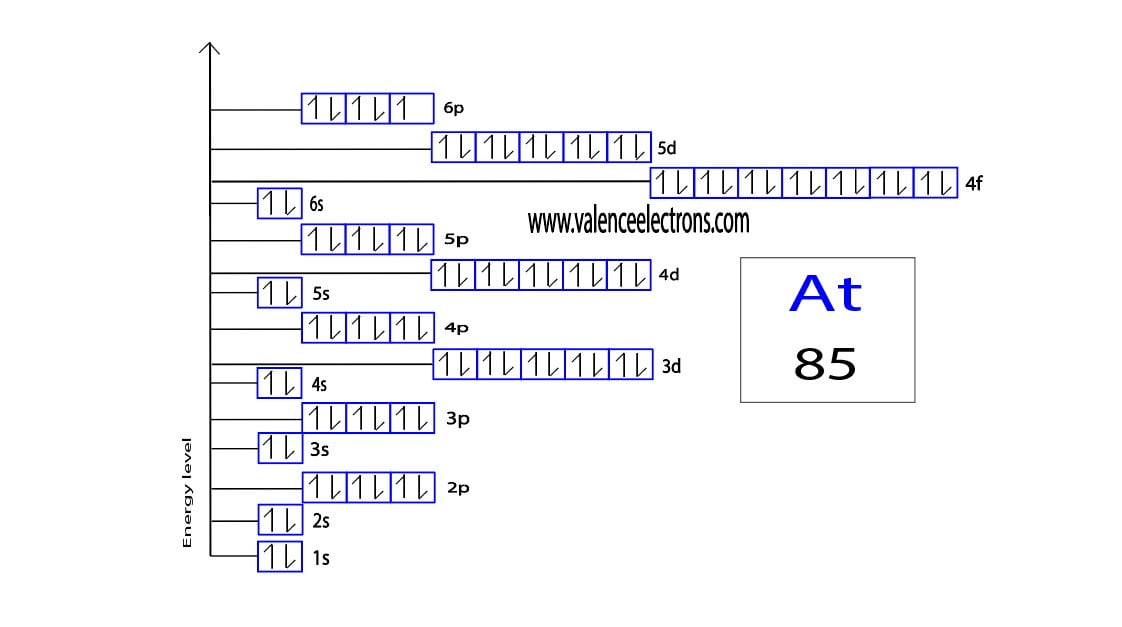
85. Orbital Diagram for Astatine (At)
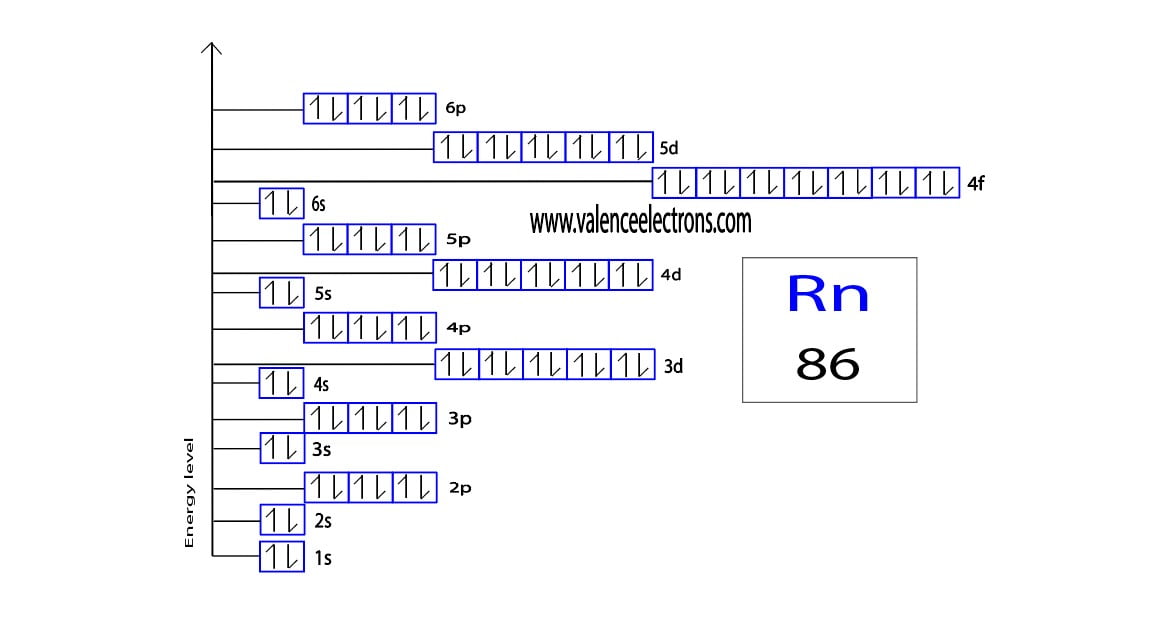
86. Orbital Diagram for Radon (Rn)
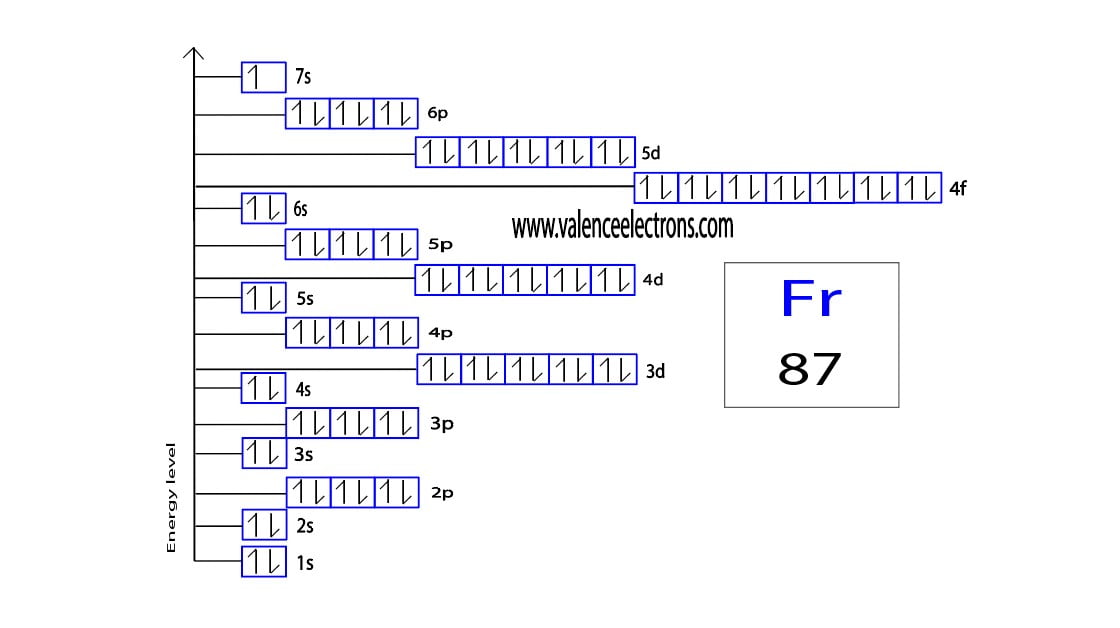
87. Orbital Diagram for Francium (Fr)
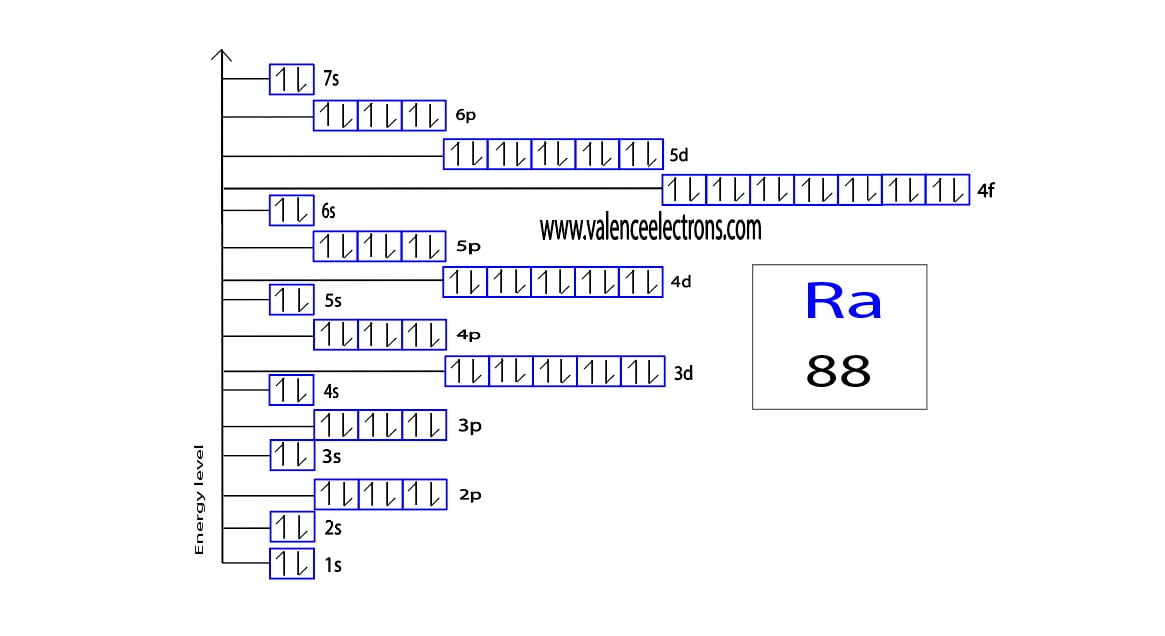
88. Orbital Diagram for Radium (Ra)
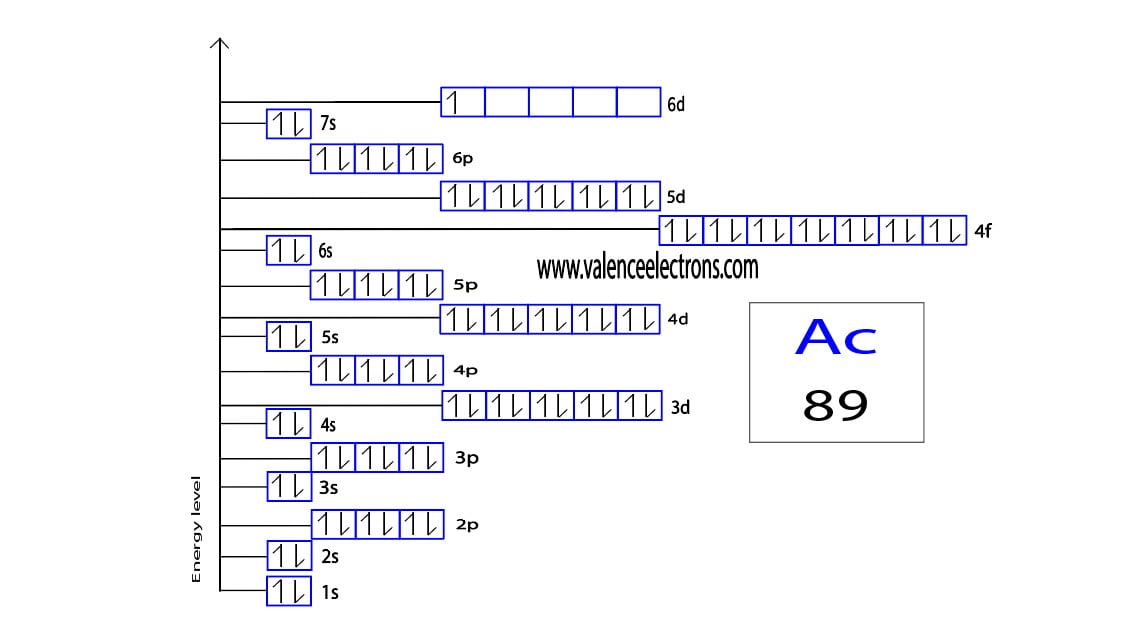
89. Orbital Diagram for Actinium (Ac)
90. Orbital Diagram for Thorium (Th)
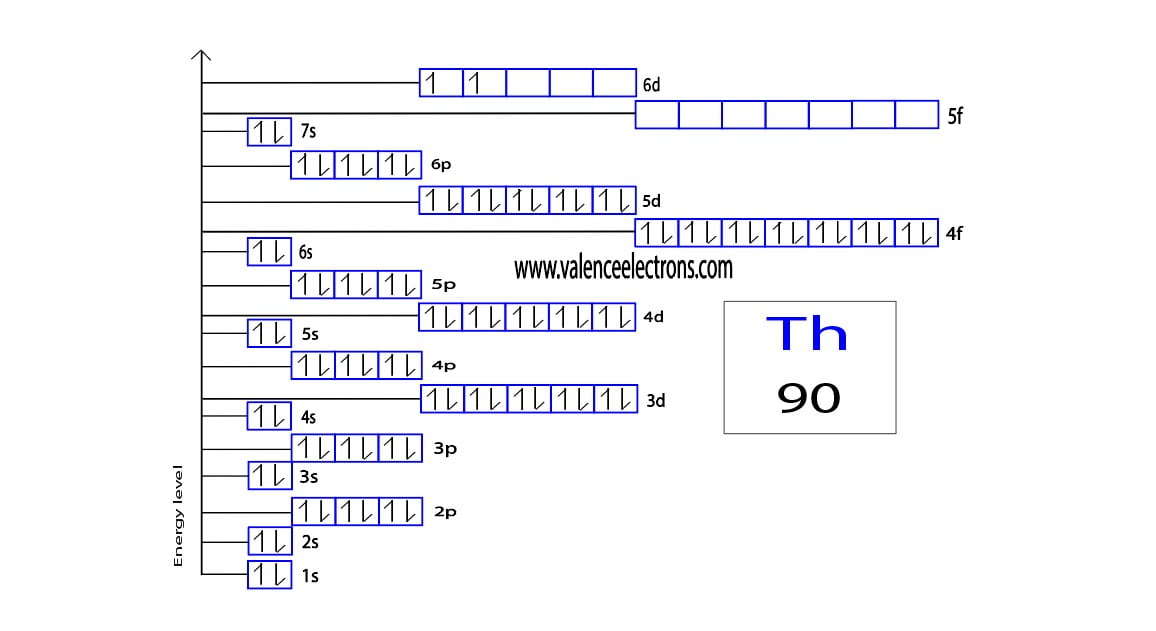
91. Orbital Diagram for Protactinium (Pa)
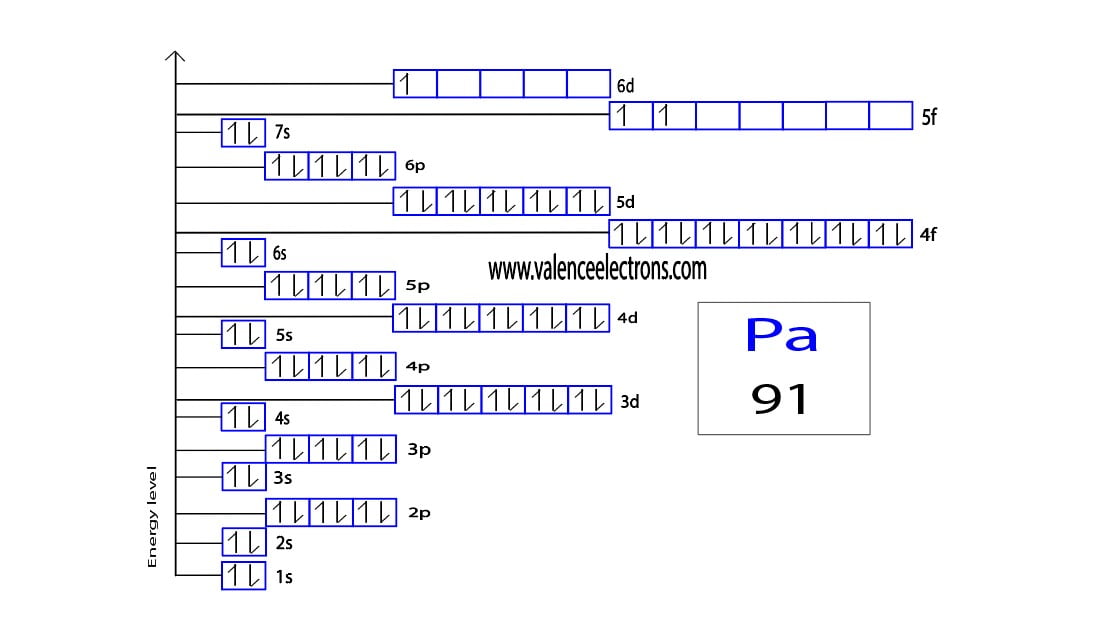
92. Orbital Diagram for Uranium (U)
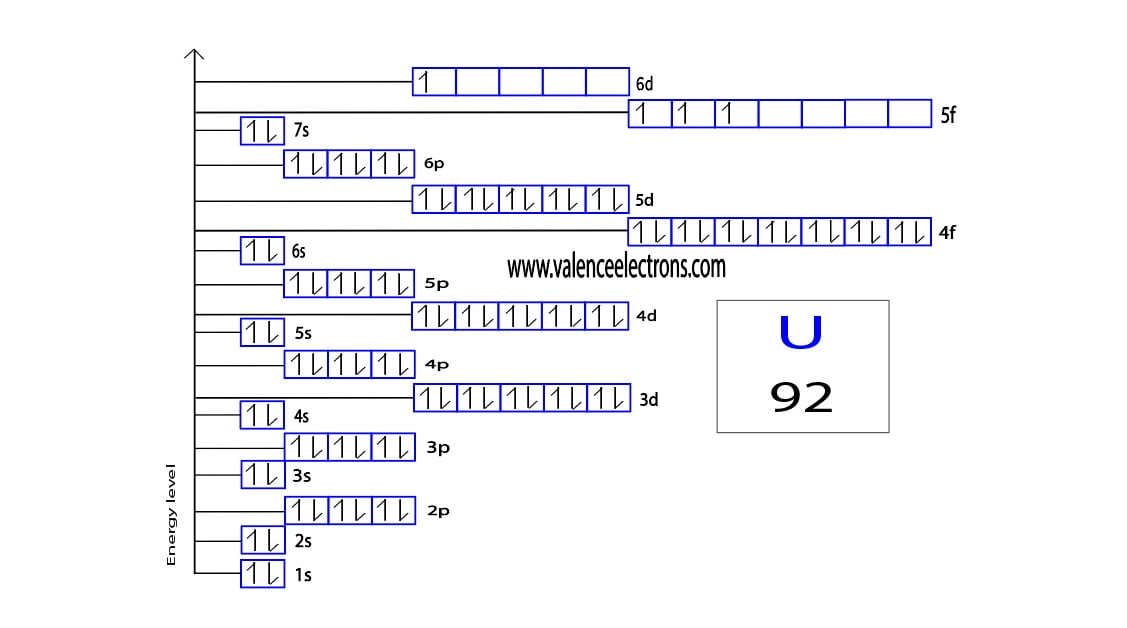
93. Orbital Diagram for Neptunium (Np)
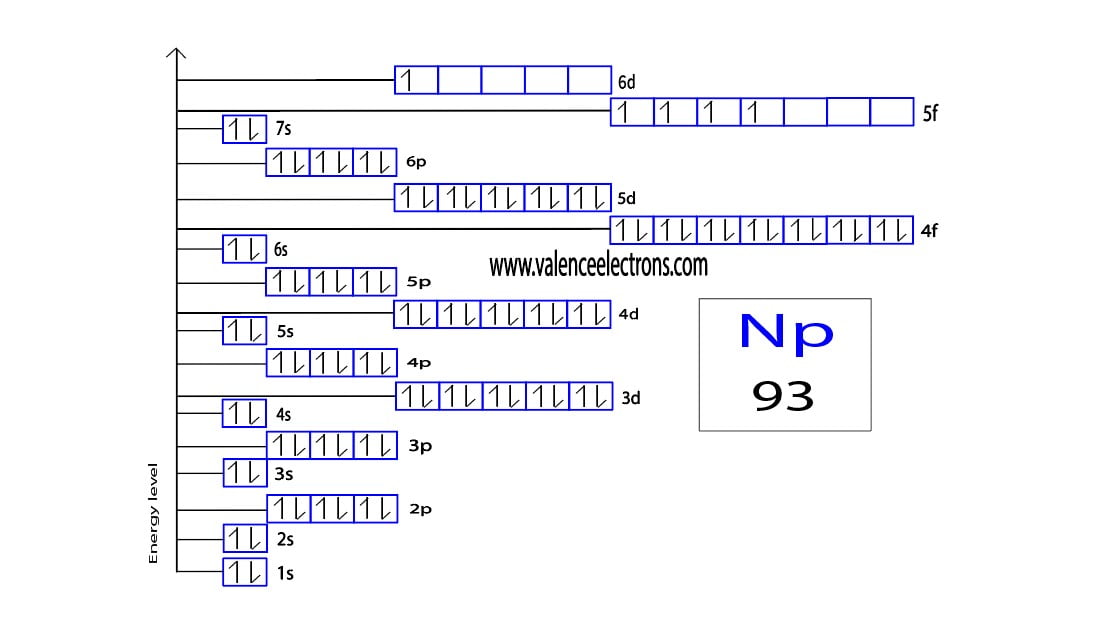
94. Orbital Diagram for Plutonium (Pu)
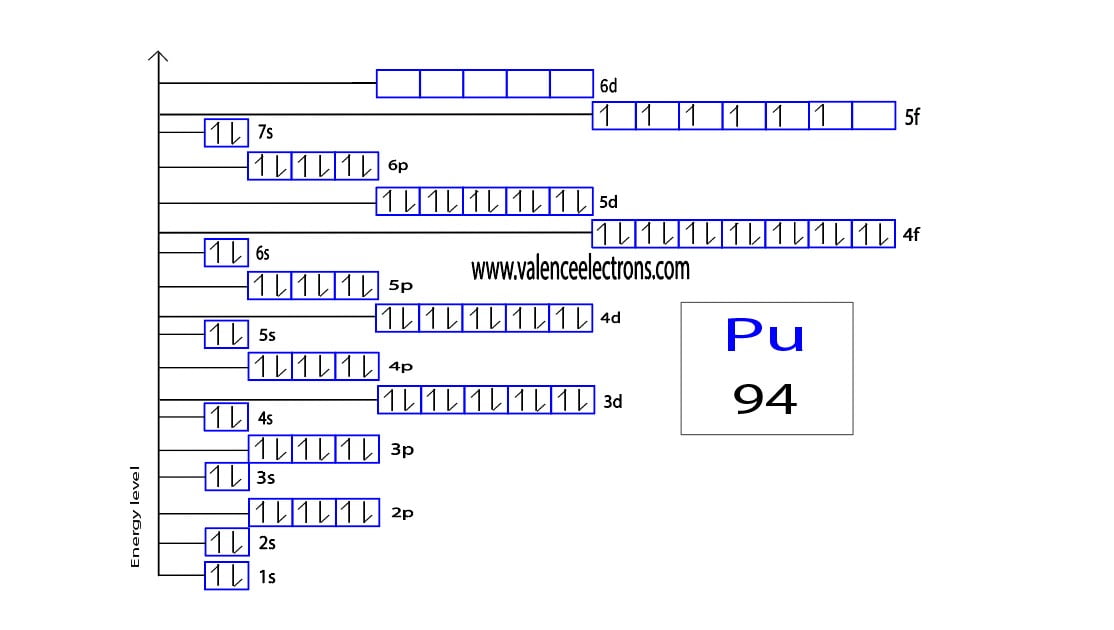
95. Orbital Diagram for Americium (Am)
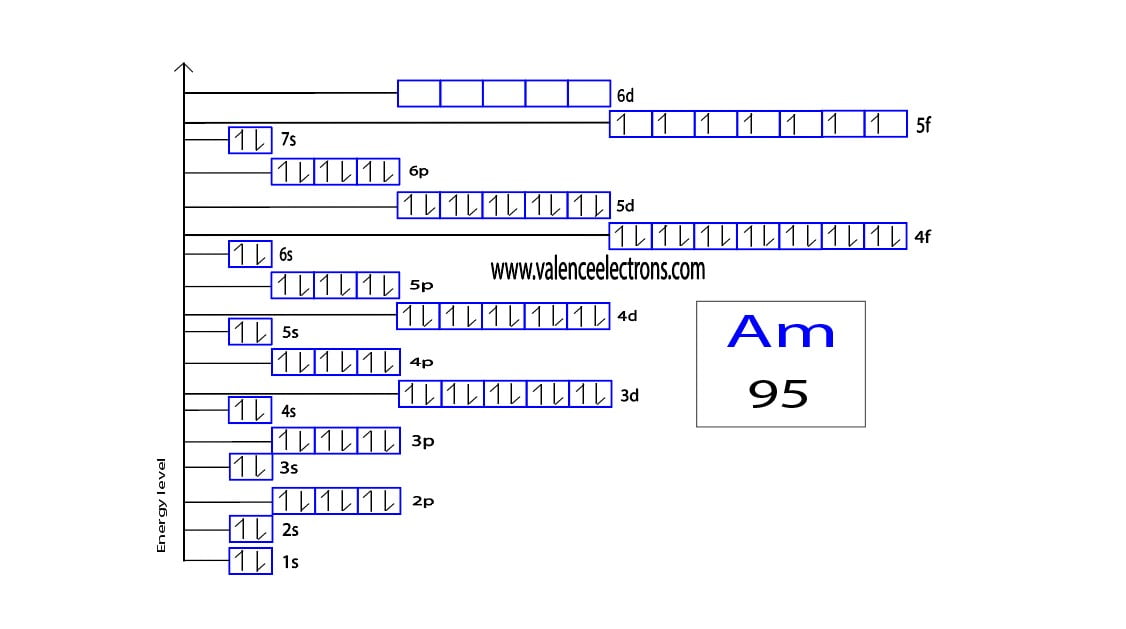
96. Orbital Diagram for Curium (Cm)
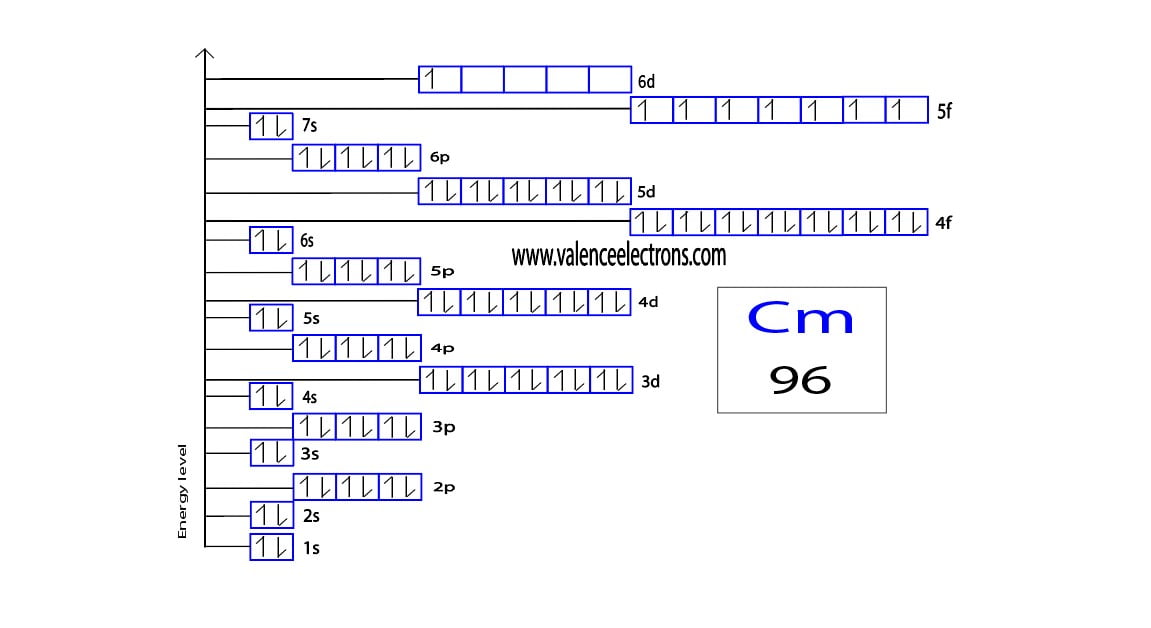
97. Orbital Diagram for Berkelium (Bk)
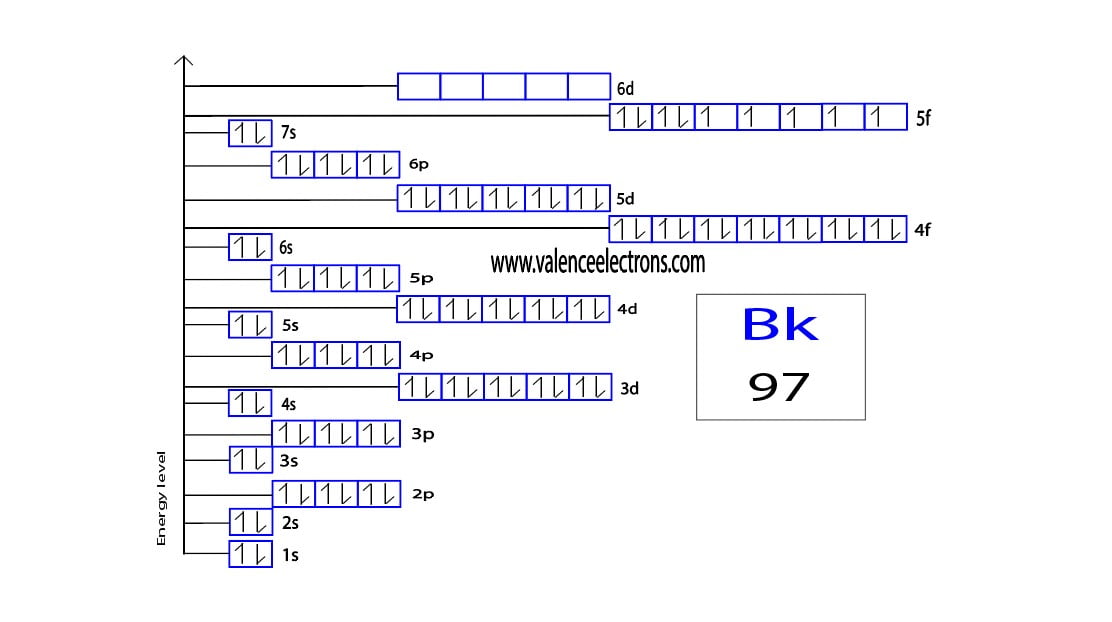
98. Orbital Diagram for Californium (Cf)
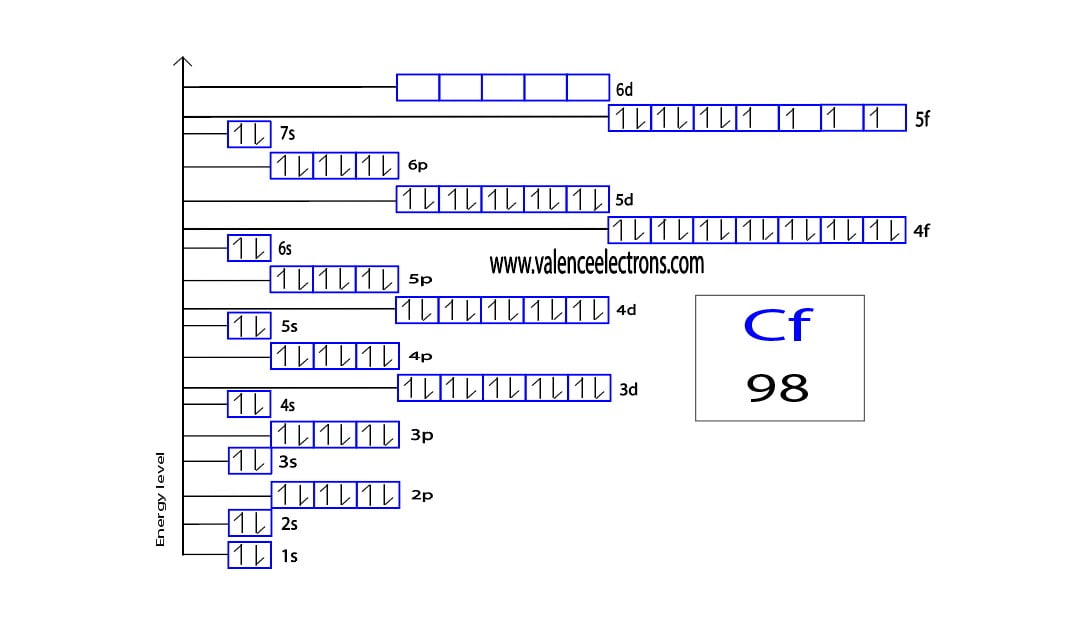
99. Orbital Diagram for Einsteinium (Es)
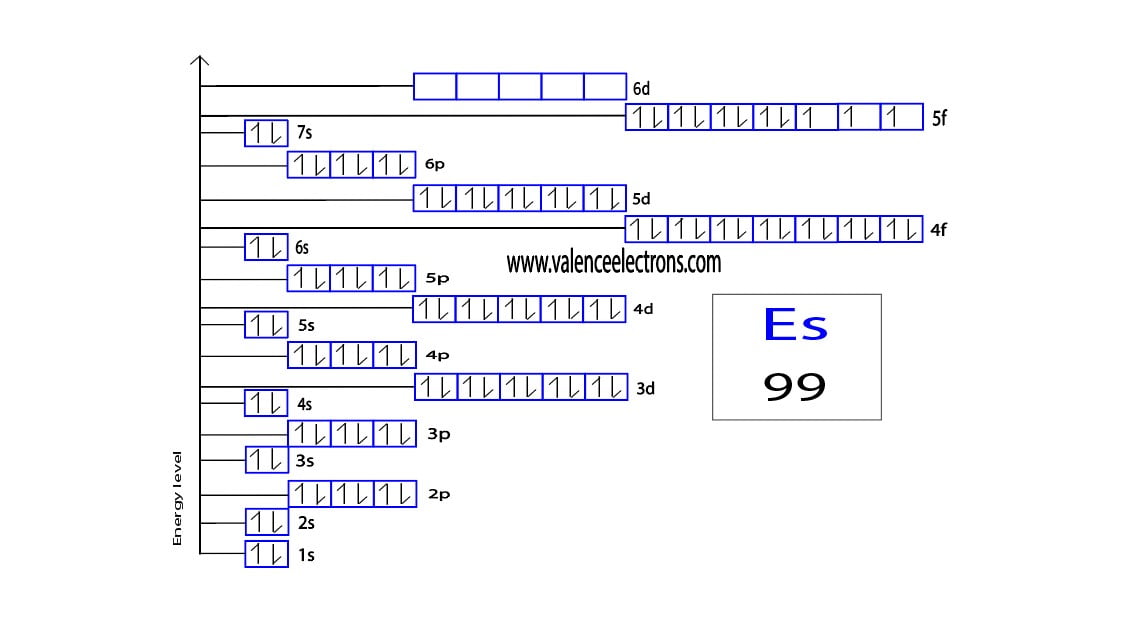
100. Orbital Diagram for Fermium (Fm)
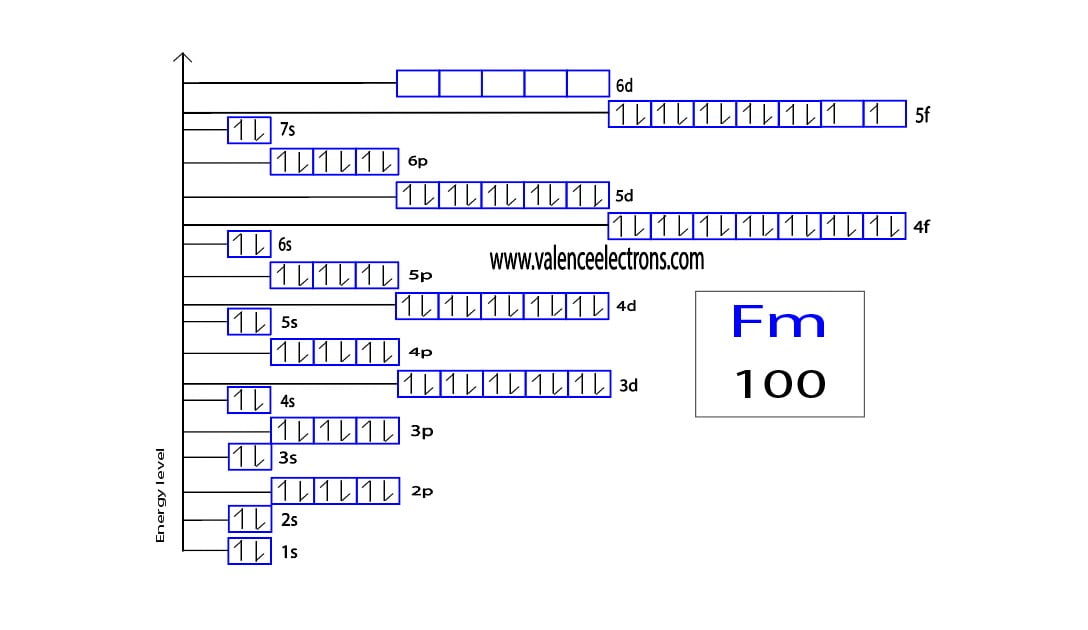
101. Orbital Diagram for Mendelevium (Md)
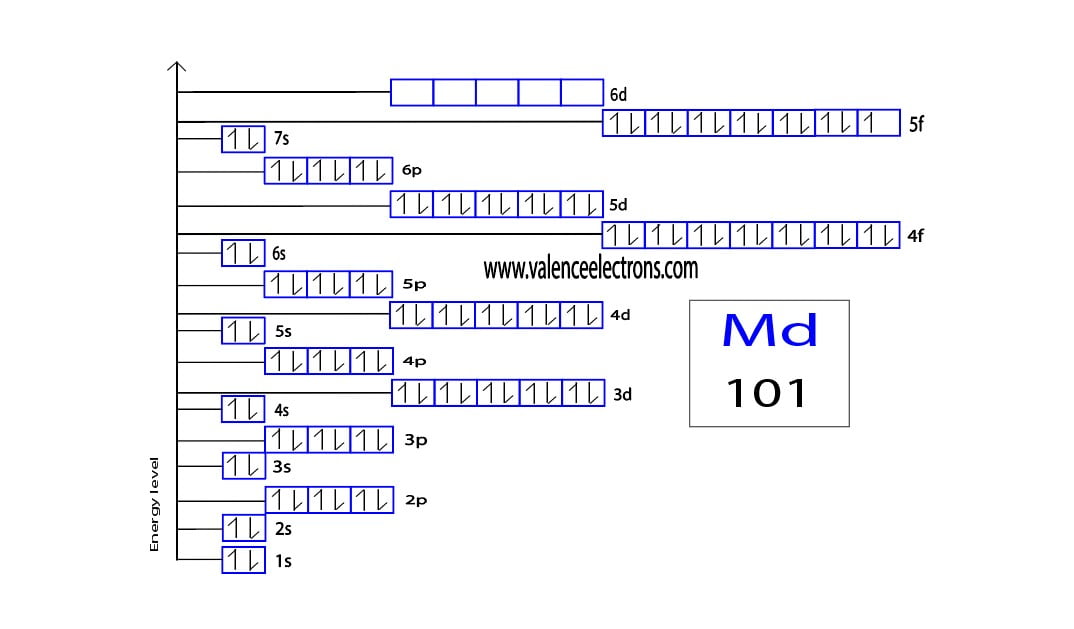
102. Orbital Diagram for Nobelium (No)
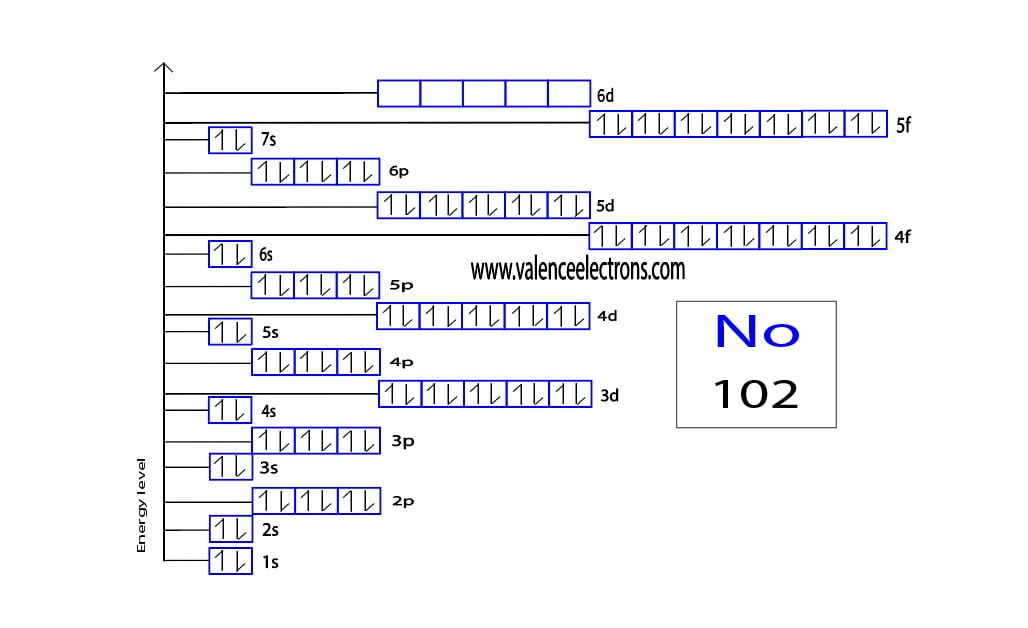
103. Orbital Diagram for Lawrencium (Lr)
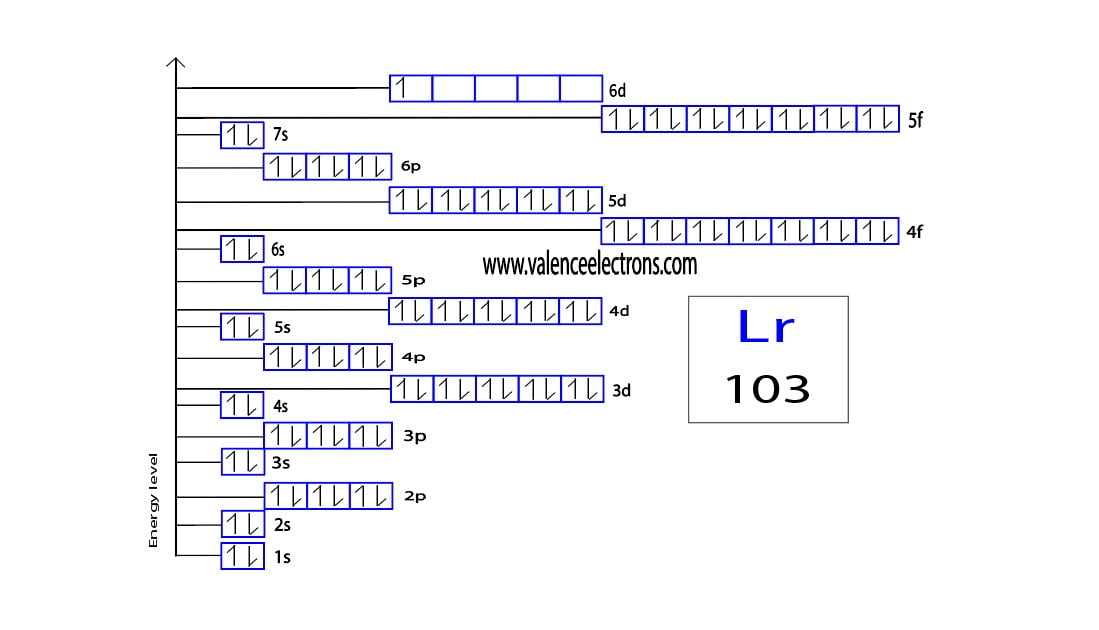
104. Orbital Diagram for Rutherfordium (Rf)
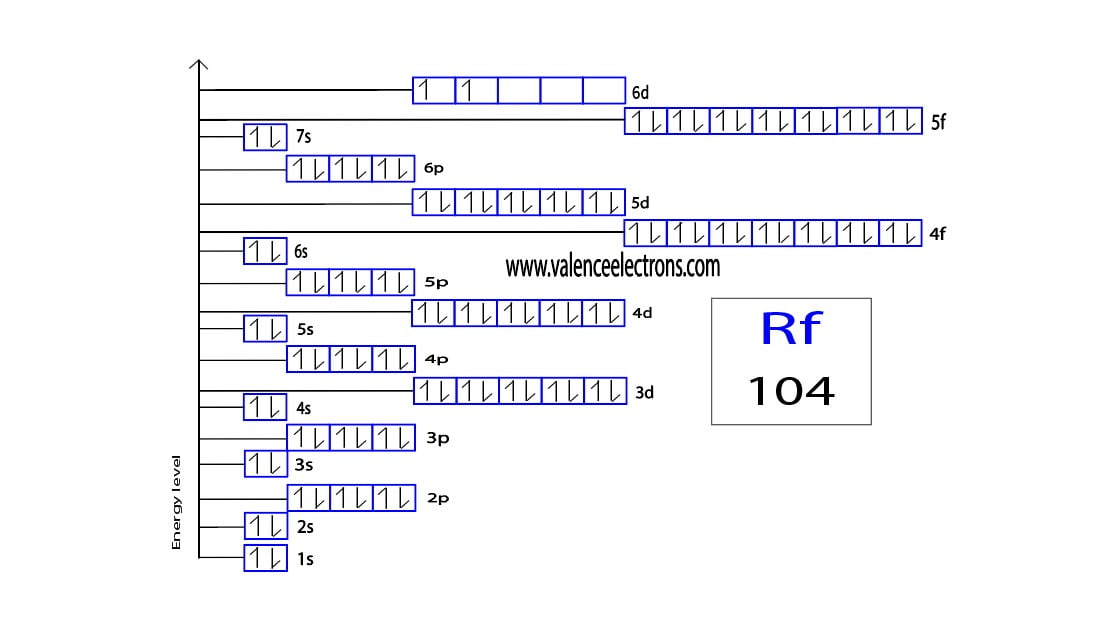
105. Orbital Diagram for Dubnium (Db)
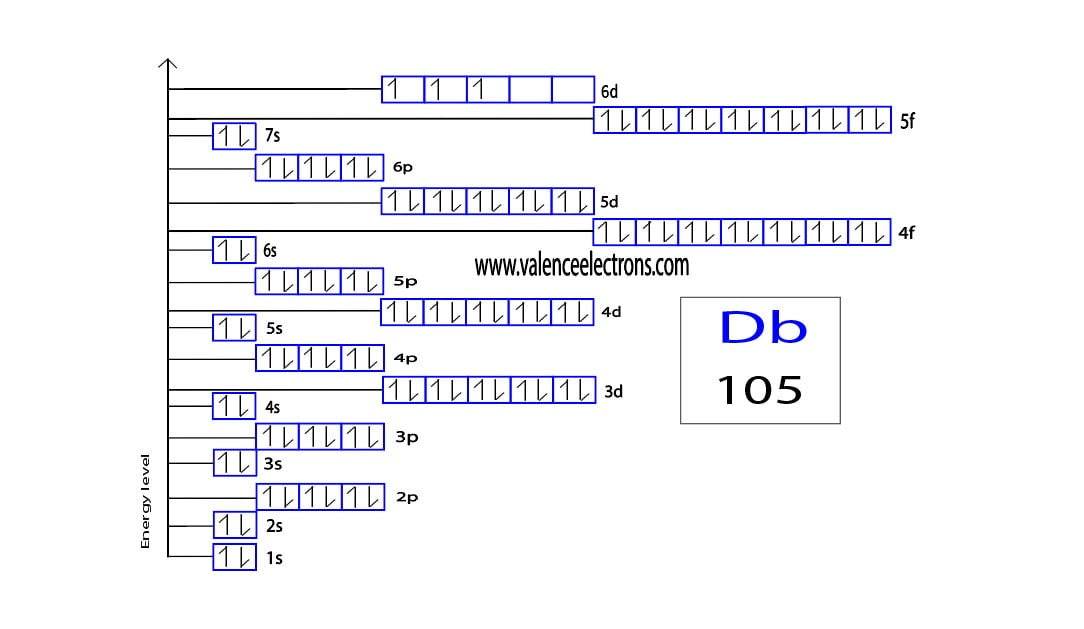
106. Orbital Diagram for Seaborgium (Sg)
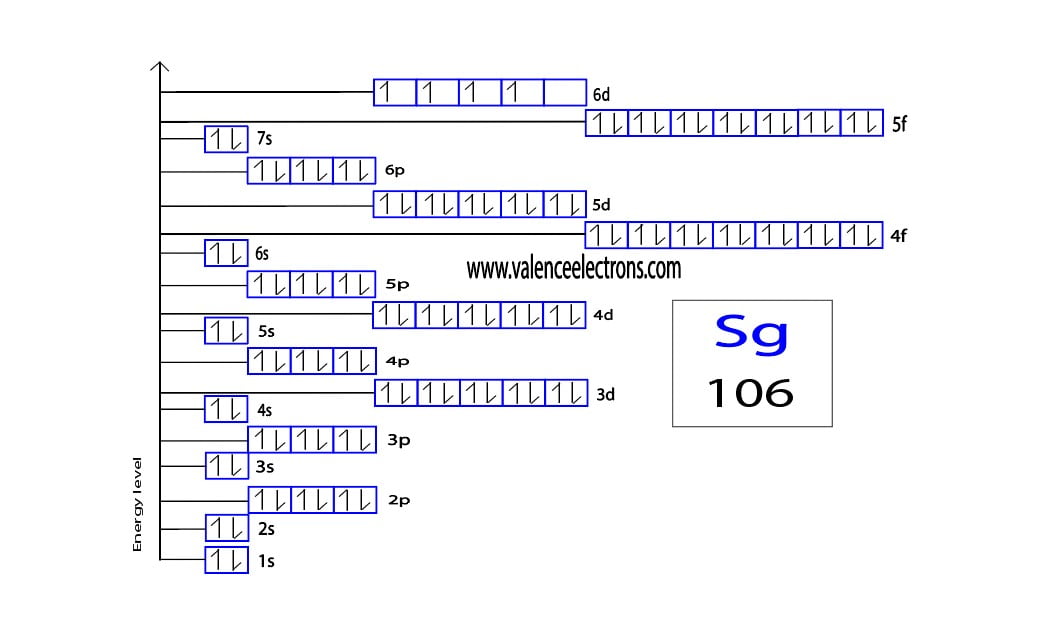
107. Orbital Diagram for Bohrium (Bh)
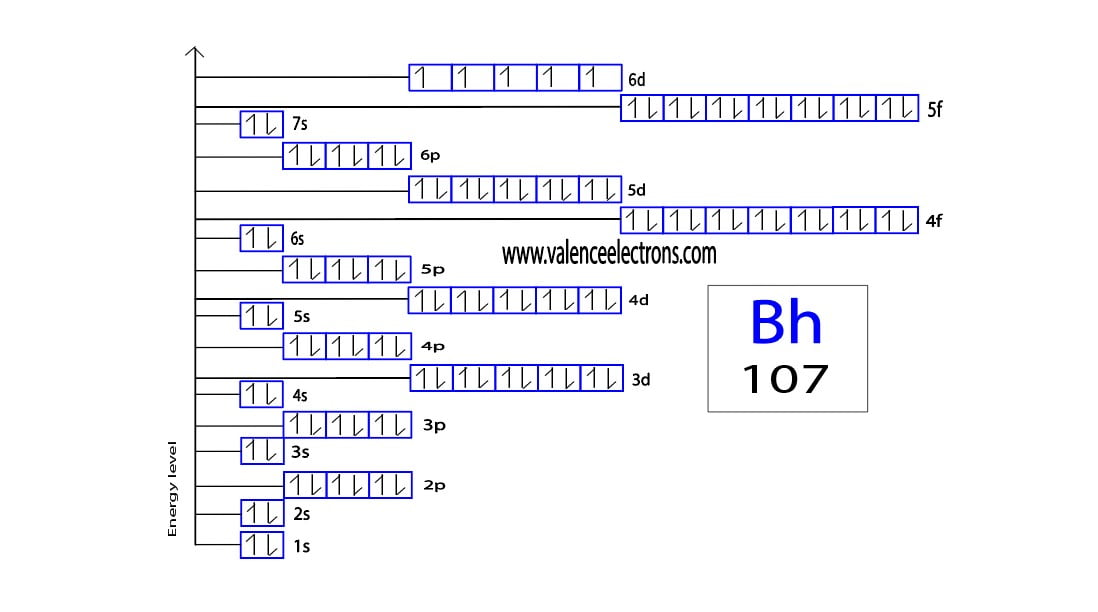
108. Orbital Diagram for Hassium (Hs)
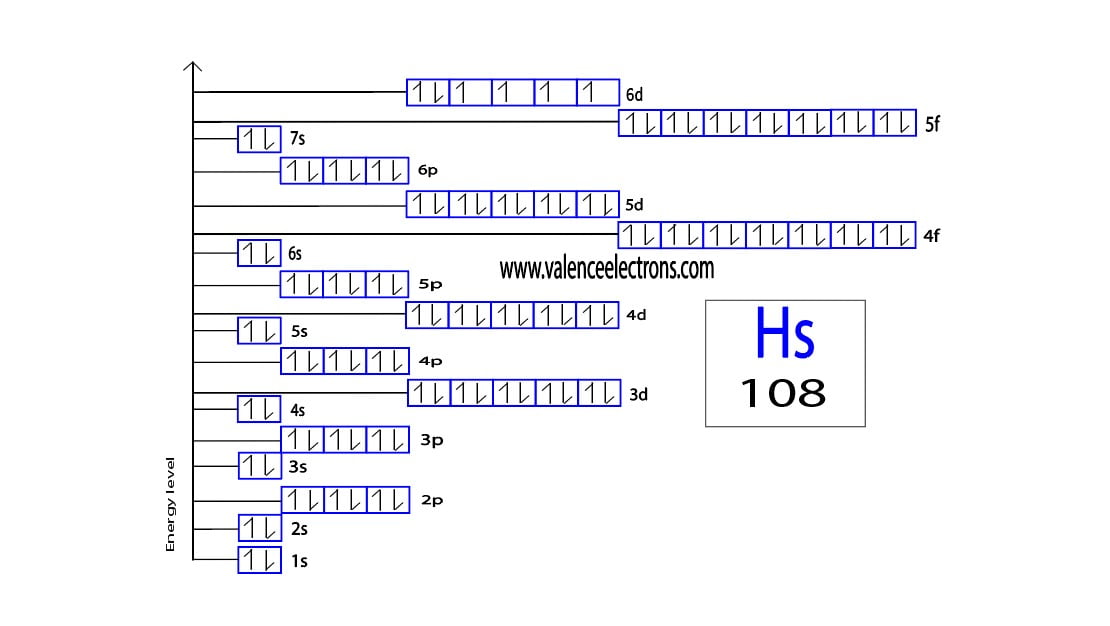
109. Orbital Diagram for Meitnerium (Mt)
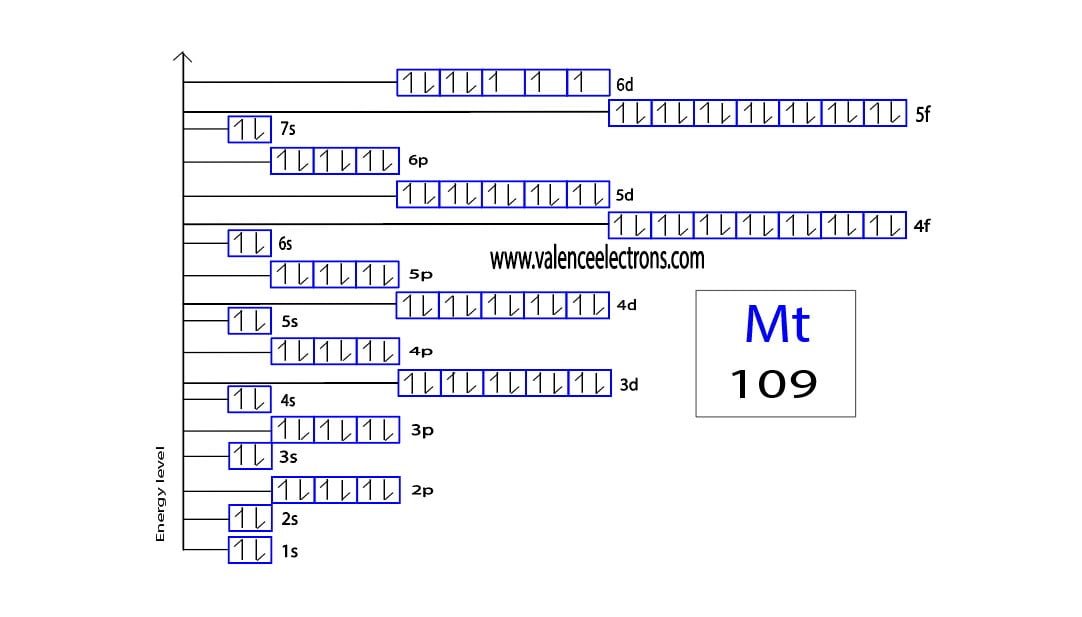
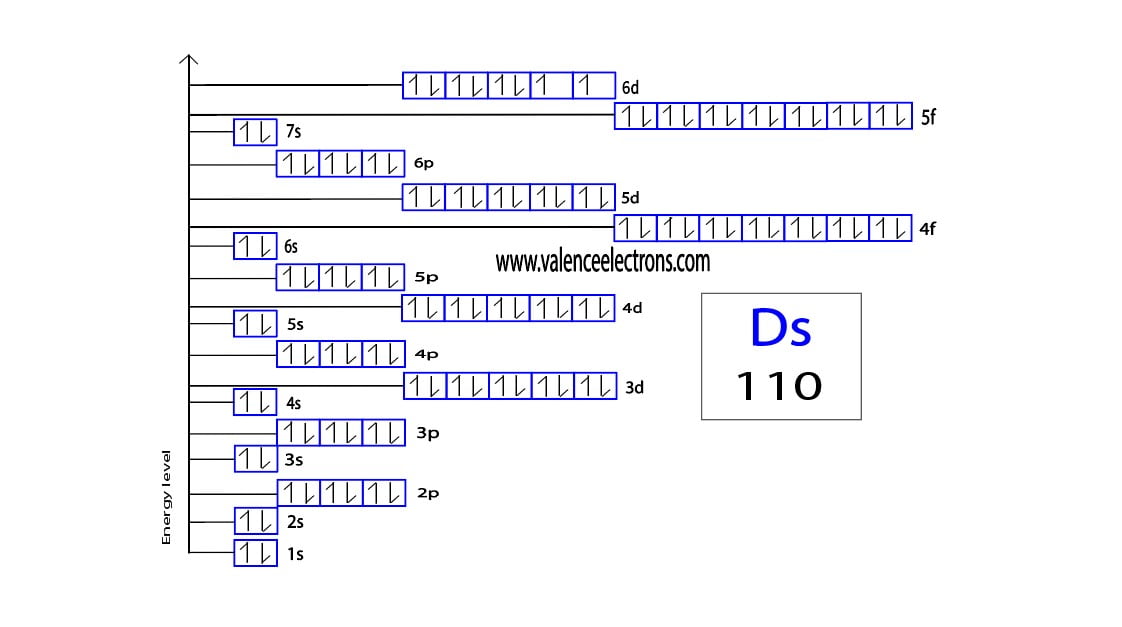
110. Orbital Diagram for Darmstadtium (Ds)
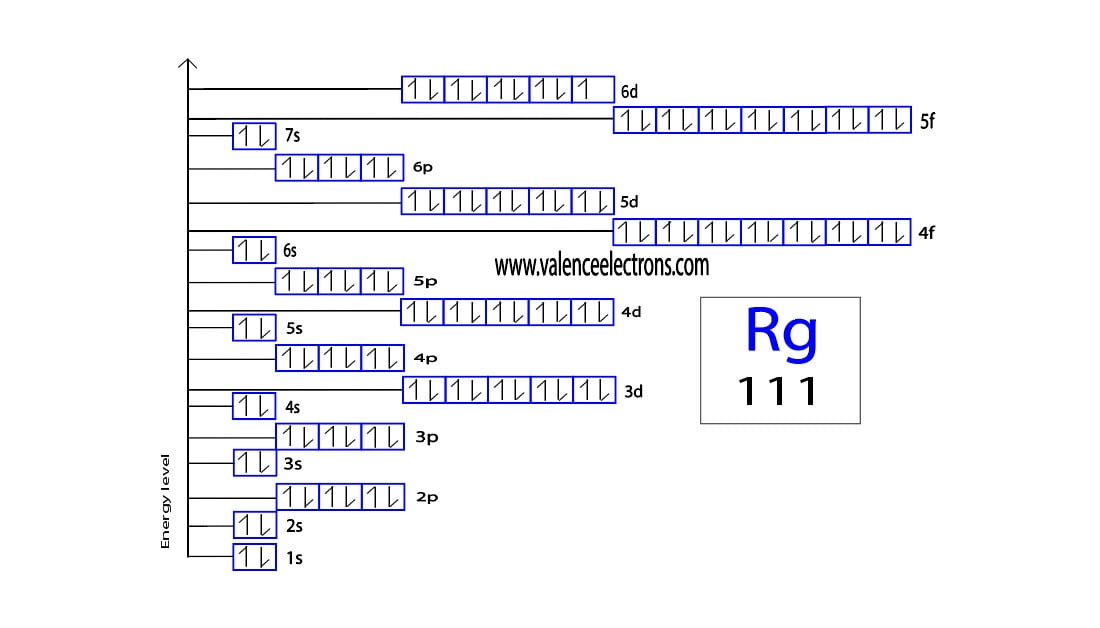
111. Orbital Diagram for Roentgenium (Rg)
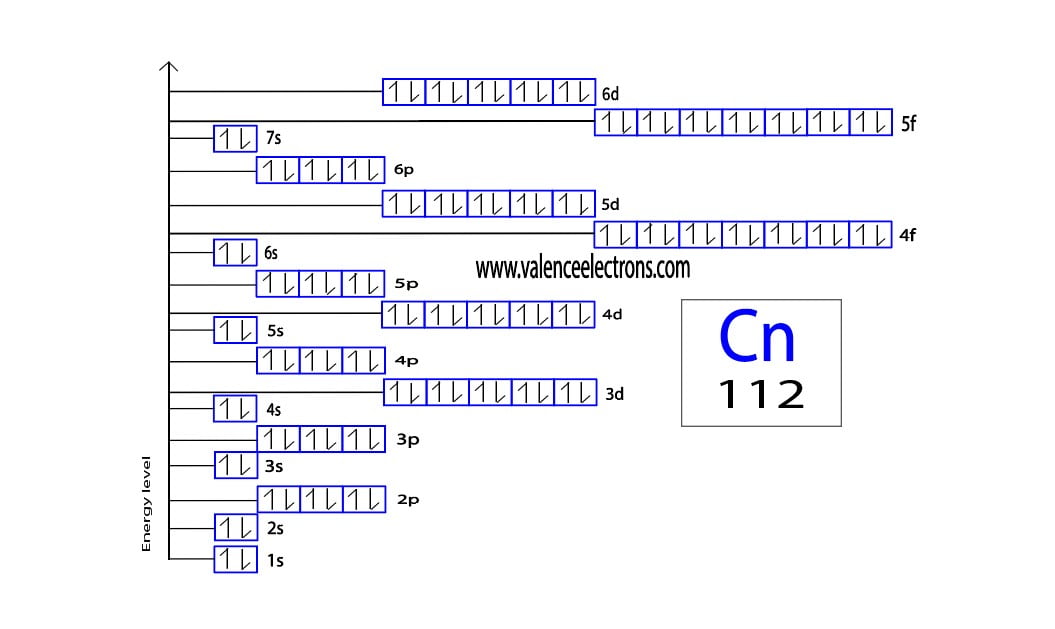
112. Orbital Diagram for Copernicium (Cn)
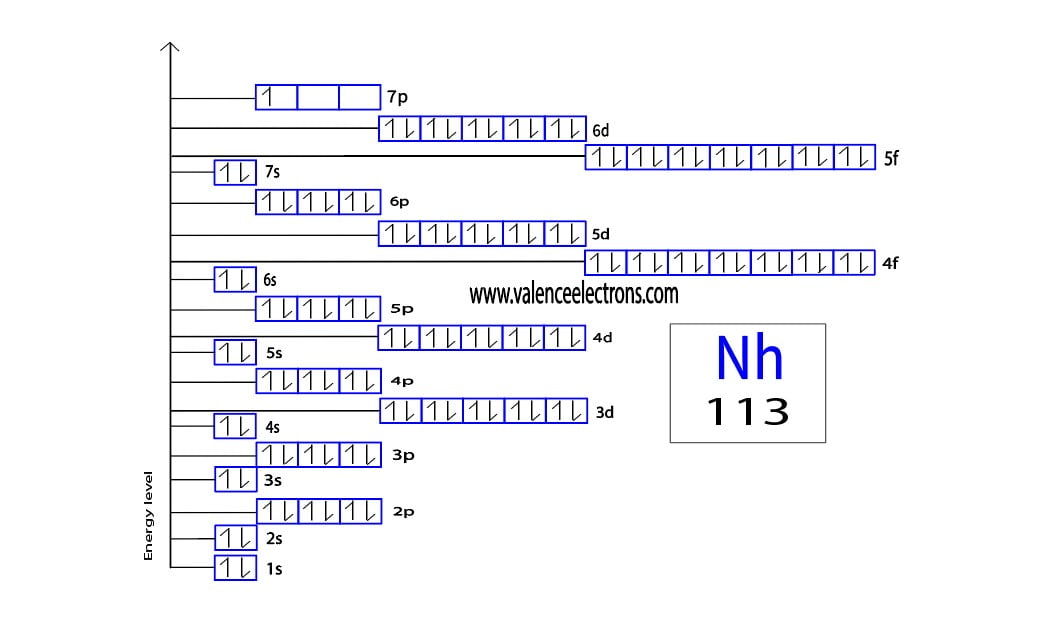
113. Orbital Diagram for Nihonium (Nh)
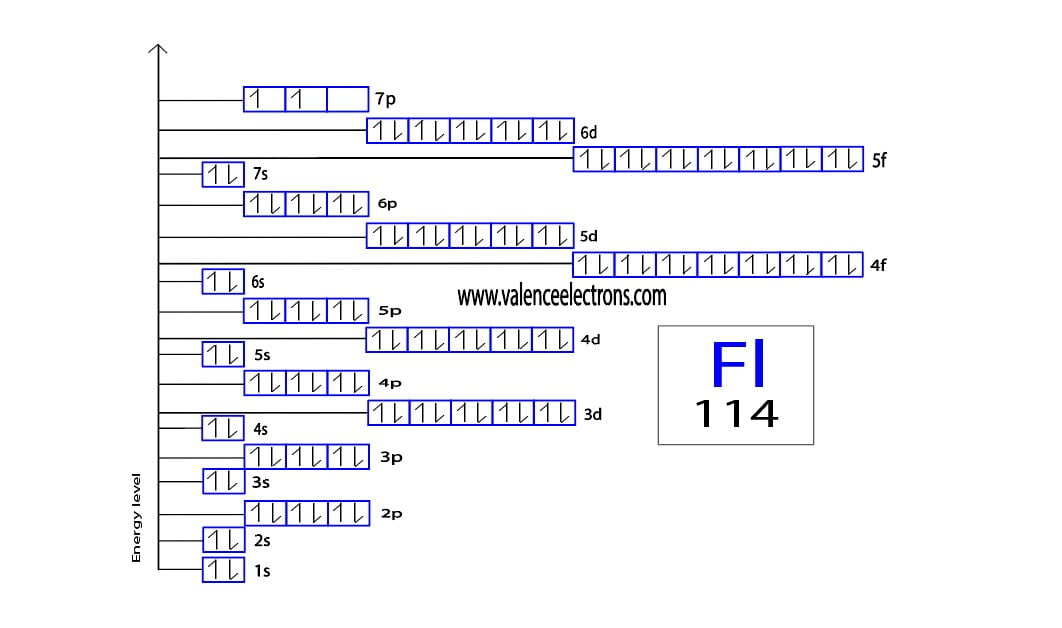
114. Orbital Diagram for Flerovium (Fl)
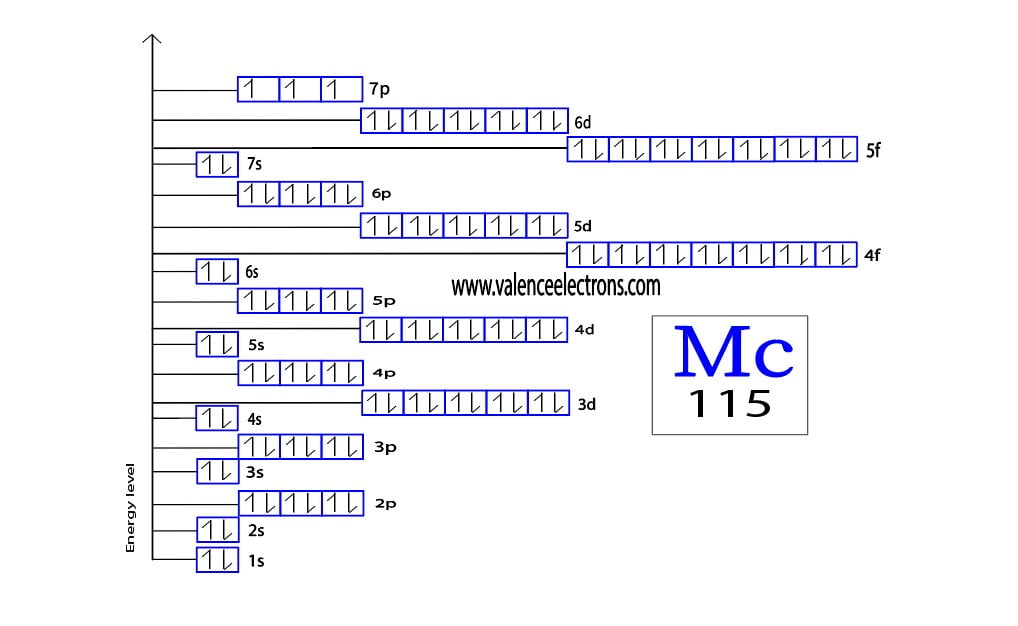
115. Orbital Diagram for Moscovium (Mc)
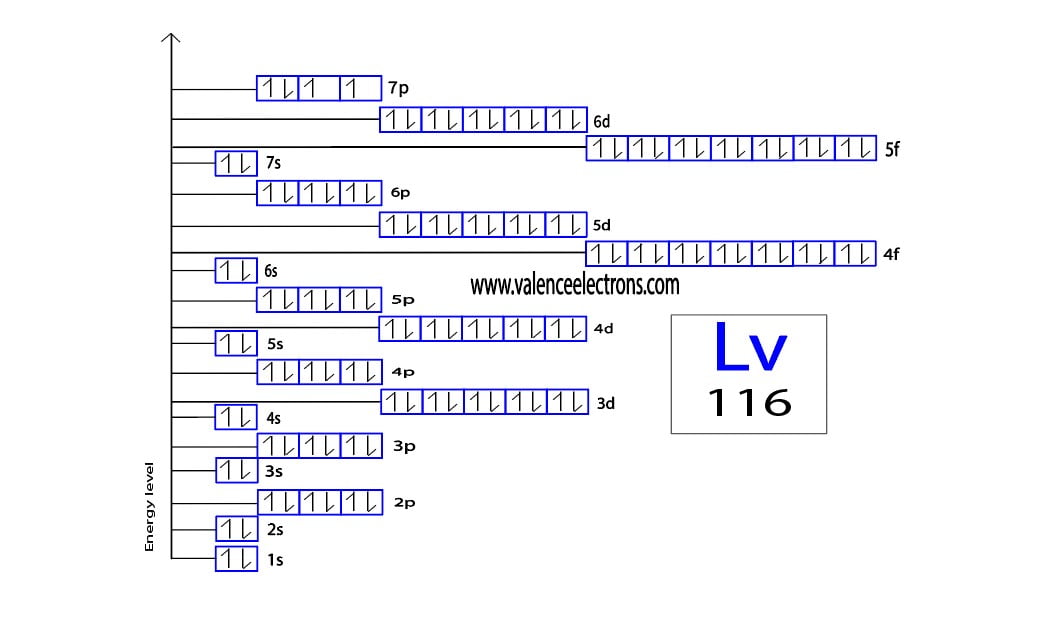
116. Orbital Diagram for Livermorium (Lv)
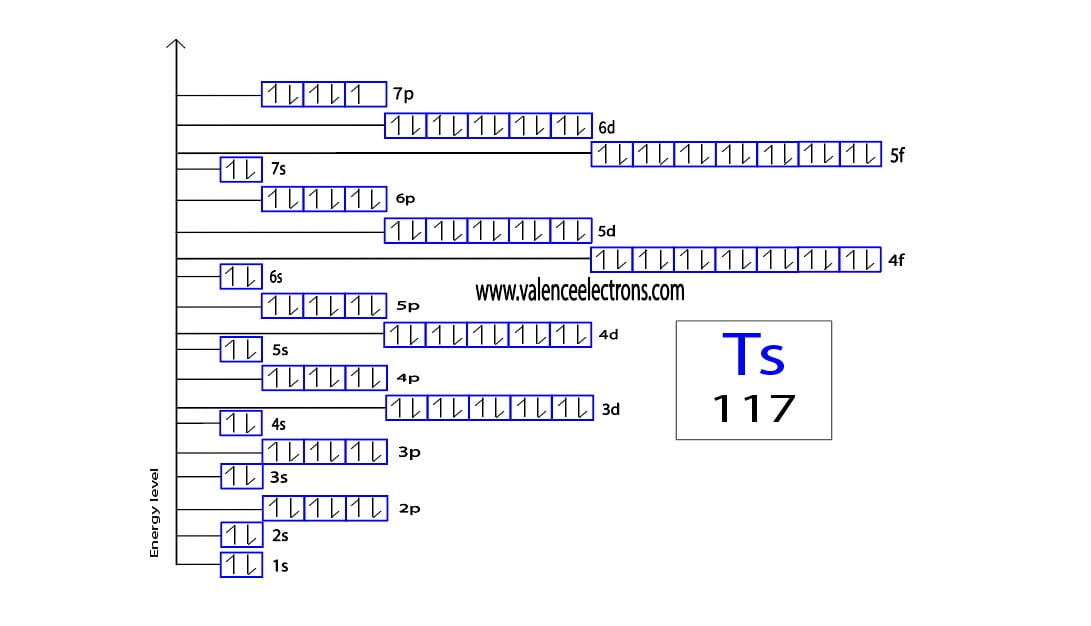
117. Orbital Diagram for Tennessine (Ts)
118. Orbital Diagram for Oganesson (Og)